Lifestyle at a glance
The lifestyle is slow, attractive and locally social. River walks, markets, seafood and beach trips dominate. Winter remains pleasantly active.

DestinationFinderAI premium guide
Portugal
Tavira, Portugal
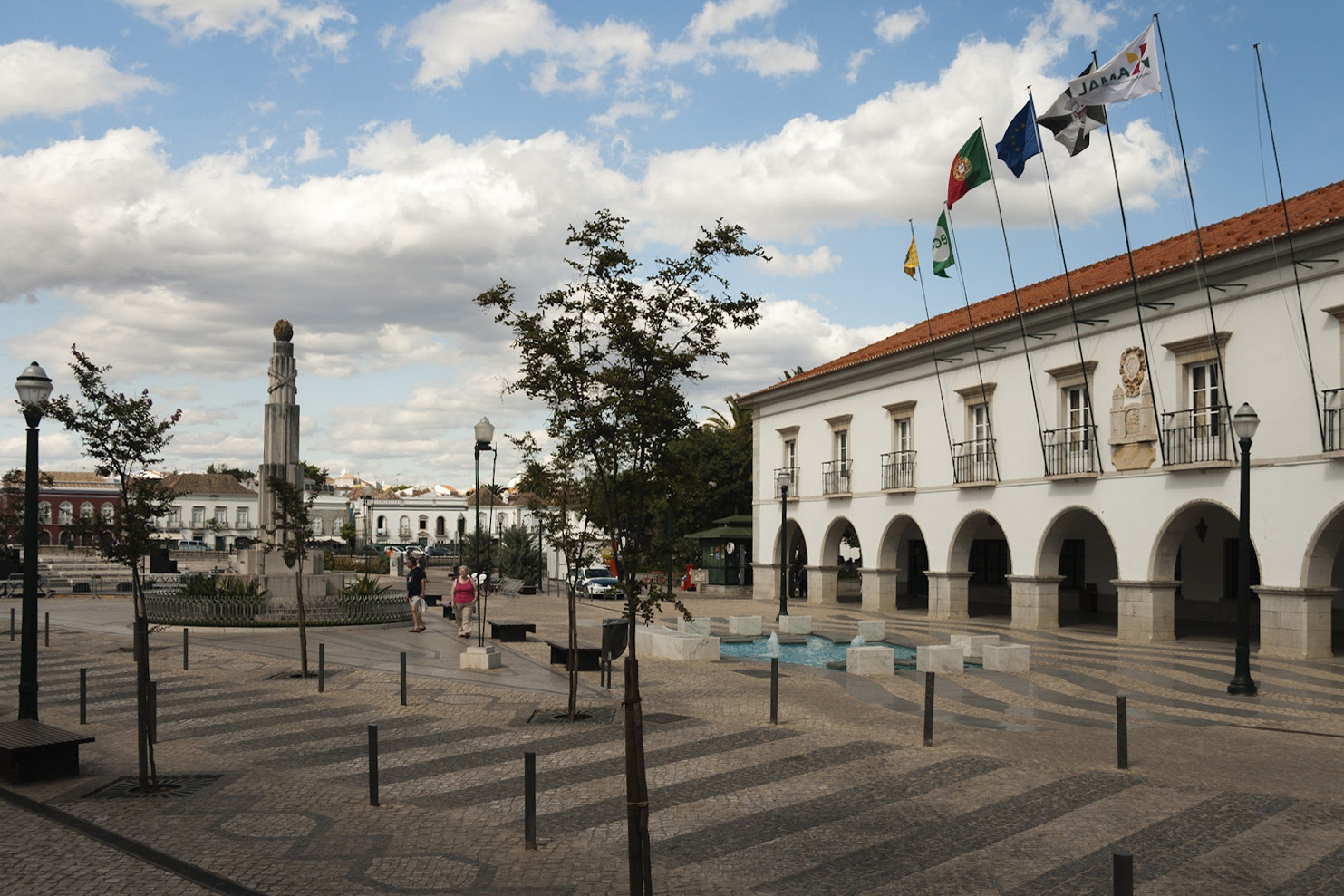
Tavira is an elegant eastern-Algarve town on the Gilão River, with tiled streets, a castle ridge, ferry-linked island beaches and a calmer year-round rhythm than the Algarve’s larger resort centers.
Overview
Tavira’s appeal is not built around one blockbuster attraction. It comes from the way the Gilão River divides a compact historic center, with tiled façades, a hilltop castle garden, church towers, market halls and pedestrian bridges creating a daily environment that feels recognizably Portuguese rather than resort-manufactured. The Ria Formosa begins just beyond town, and Ilha de Tavira and Barril are reached by ferry or short transfers rather than by a wall of beachfront high-rises. For living, the center is the obvious car-light choice: the market, train station, cafés, municipal services and riverfront are all close. Santa Luzia has a fishing-village identity and famous octopus restaurants, Cabanas faces the lagoon and is more tourism-oriented, Porta Nova/Estação is practical for rail access, and Conceição offers newer housing with easier parking. The east-Algarve rail line is useful for Faro, Olhão and Vila Real de Santo António, though service is slower than a metro-style system. Tavira rewards a routine built around walking, market shopping, seafood, cycling, lagoon birdlife and periodic beach days. It has enough expatriate presence that an English speaker can land softly, but Portuguese matters for deeper integration, healthcare administration and building relationships beyond the visitor economy. Faro provides the nearest major airport and deeper specialist care, while Tavira itself covers ordinary primary-care, pharmacy and daily-service needs. The main pressure point is housing. Tavira has become increasingly desirable, and a beautiful old-town rental can carry tourist pricing or lack winter insulation. Summer heat, limited shade on some routes and the ferry logistics to the best beaches should be tested rather than romanticized. Spend time in November or February, compare central and Cabanas/Santa Luzia living, ride the train, visit the municipal market repeatedly and test medical access. The town is strongest for people who value atmosphere and routine over constant entertainment.
Cost of living snapshot
2 budget bands
Executive summary
Estimated one-adult monthly cost of living: $1,800–$2,814 per month (USD).
One adult
$1,800–$2,814 per month (USD)
Couple — two adults sharing housing
$2,430–$4,080 per month (USD)
Estimated for two adults sharing one home. Actual costs vary by housing, lifestyle and healthcare needs.
Monthly cost breakdown
8 live categories
Dining
$256–$400 per month (USD)
Entertainment Fitness
$144–$225 per month (USD)
Groceries
$280–$438 per month (USD)
Healthcare
$152–$238 per month (USD)
Housing
$720–$1,125 per month (USD)
Internet Mobile
$48–$75 per month (USD)
Transport
$80–$125 per month (USD)
Utilities
$120–$188 per month (USD)
How the estimate is framed
Based on the destination's reported monthly cost-of-living range.
Media and atmosphere
4 curated assets
Destination guide
What you'll learn
What to know first
What makes it distinctive
Premium intelligence
The lifestyle is slow, attractive and locally social. River walks, markets, seafood and beach trips dominate. Winter remains pleasantly active.
Tavira is an elegant eastern-Algarve town on the Gilão River, with tiled streets, a castle ridge, ferry-linked island beaches and a calmer year-round rhythm than the Algarve’s larger resort centers.
Neighborhood summary
Flagship neighborhood 1
Both banks of the Gilão around the Roman bridge give the best concentration of cafés, market access, municipal services and heritage streets.
Best for
walkability, restaurants, architecture
Overall vibe
It offers a clear local rhythm and strong daily-life texture.
Neighborhood resources
Best For
walkability, restaurants, architecture
Overall Vibe
It offers a clear local rhythm and strong daily-life texture.
Walkability
very high
Transit
high
Safety
medium-high
Housing
Traditional townhouses and apartments, often renovated; some stairs and limited parking.
Pros
riverfront life, walk to market and station
Cons
tourist demand, heritage-building quirks
Neighborhood intelligence
Restaurants
Restaurants
Real persisted places tied to this neighborhood.
Neighborhood
Centro Histórico
Attractions & things to do
Attractions & things to do
Real persisted places tied to this neighborhood.
Neighborhood
Centro Histórico
Outdoor recreation
Outdoor recreation
Real persisted places tied to this neighborhood.
Neighborhood
Centro Histórico
Family friendly
Family-friendly places
School choices in Tavira follow Portugal's public/private system; language, catchment, admissions and residence status need to be checked before choosing housing.
Remote work
Remote-work-friendly spots
Walkability
Centro Histórico is the strongest pedestrian base: Both banks of the Gilão around the Roman bridge give the best concentration of cafés, market access, municipal services and heritage streets. Santa Luzia changes the equation because a compact fishing village west of tavira known for octopus restaurants and access toward barril beach, with a more local waterfront rhythm.
How easily daily errands and neighborhood life can be handled on foot.
Transit
Tavira Railway Station is the clearest transport anchor: Station on the Algarve line linking Tavira with Faro, Olhão and Vila Real de Santo António. The mobility tradeoff across Centro Histórico and Conceição is materially different.
How well the area supports car-light routines and local travel.
Safety
In Tavira, crime exposure varies by exact neighborhood, season and time of day. Test Centro Histórico after dark as well as the quieter residential blocks you are actually considering.
How the area is perceived for daily calm and residential comfort.
Live neighborhood resources
Flagship neighborhood 2
A compact fishing village west of Tavira known for octopus restaurants and access toward Barril Beach, with a more local waterfront rhythm.
Best for
seafood, lagoon life, quieter pace
Overall vibe
It offers a clear local rhythm and strong daily-life texture.
Neighborhood resources
Best For
seafood, lagoon life, quieter pace
Overall Vibe
It offers a clear local rhythm and strong daily-life texture.
Walkability
high
Transit
medium
Safety
medium-high
Housing
Low-rise village homes and apartments, some newer infill.
Pros
lagoon views, seafood, village feel
Cons
smaller service base, beach requires transfer
Neighborhood intelligence
Restaurants
Restaurants
Real persisted places tied to this neighborhood.
Neighborhood
Santa Luzia
Shopping
Shopping
Real persisted places tied to this neighborhood.
Neighborhood
Santa Luzia
Attractions & things to do
Attractions & things to do
Real persisted places tied to this neighborhood.
Neighborhood
Santa Luzia
Neighborhood
Santa Luzia
Family friendly
Family-friendly places
School choices in Tavira follow Portugal's public/private system; language, catchment, admissions and residence status need to be checked before choosing housing.
Remote work
Remote-work-friendly spots
Walkability
Centro Histórico is the strongest pedestrian base: Both banks of the Gilão around the Roman bridge give the best concentration of cafés, market access, municipal services and heritage streets. Santa Luzia changes the equation because a compact fishing village west of tavira known for octopus restaurants and access toward barril beach, with a more local waterfront rhythm.
How easily daily errands and neighborhood life can be handled on foot.
Transit
Tavira Railway Station is the clearest transport anchor: Station on the Algarve line linking Tavira with Faro, Olhão and Vila Real de Santo António. The mobility tradeoff across Centro Histórico and Conceição is materially different.
How well the area supports car-light routines and local travel.
Safety
In Tavira, crime exposure varies by exact neighborhood, season and time of day. Test Centro Histórico after dark as well as the quieter residential blocks you are actually considering.
How the area is perceived for daily calm and residential comfort.
Live neighborhood resources
Flagship neighborhood 3
Cabanas faces the Ria Formosa with a long promenade and boat access to the island beach; it is lively in summer and much quieter in winter.
Best for
easy waterfront, seasonal rentals
Overall vibe
It offers a clear local rhythm and strong daily-life texture.
Neighborhood resources
Best For
easy waterfront, seasonal rentals
Overall Vibe
It offers a clear local rhythm and strong daily-life texture.
Walkability
high
Transit
medium
Safety
medium-high
Housing
Modern apartments, holiday complexes and townhouses.
Pros
flat promenade, beach boats, newer housing
Cons
seasonality, more resort-oriented
Neighborhood intelligence
Attractions & things to do
Attractions & things to do
Real persisted places tied to this neighborhood.
Neighborhood
Cabanas de Tavira
Family friendly
Family-friendly places
School choices in Tavira follow Portugal's public/private system; language, catchment, admissions and residence status need to be checked before choosing housing.
Remote work
Remote-work-friendly spots
Walkability
Centro Histórico is the strongest pedestrian base: Both banks of the Gilão around the Roman bridge give the best concentration of cafés, market access, municipal services and heritage streets. Santa Luzia changes the equation because a compact fishing village west of tavira known for octopus restaurants and access toward barril beach, with a more local waterfront rhythm.
How easily daily errands and neighborhood life can be handled on foot.
Transit
Tavira Railway Station is the clearest transport anchor: Station on the Algarve line linking Tavira with Faro, Olhão and Vila Real de Santo António. The mobility tradeoff across Centro Histórico and Conceição is materially different.
How well the area supports car-light routines and local travel.
Safety
In Tavira, crime exposure varies by exact neighborhood, season and time of day. Test Centro Histórico after dark as well as the quieter residential blocks you are actually considering.
How the area is perceived for daily calm and residential comfort.
Live neighborhood resources
Flagship neighborhood 4
Around the station and northern center, this area sacrifices postcard atmosphere for easier rail access, parking and ordinary residential life.
Best for
rail users, everyday services
Overall vibe
It offers a clear local rhythm and strong daily-life texture.
Neighborhood resources
Best For
rail users, everyday services
Overall Vibe
It offers a clear local rhythm and strong daily-life texture.
Walkability
high
Transit
very high
Safety
medium-high
Housing
Apartments and houses with better vehicle access than the old core.
Pros
station access, groceries, practical parking
Cons
less scenic than riverfront
Neighborhood intelligence
Attractions & things to do
Attractions & things to do
Real persisted places tied to this neighborhood.
Neighborhood
Porta Nova / Estação
Family friendly
Family-friendly places
School choices in Tavira follow Portugal's public/private system; language, catchment, admissions and residence status need to be checked before choosing housing.
Remote work
Remote-work-friendly spots
Walkability
Centro Histórico is the strongest pedestrian base: Both banks of the Gilão around the Roman bridge give the best concentration of cafés, market access, municipal services and heritage streets. Santa Luzia changes the equation because a compact fishing village west of tavira known for octopus restaurants and access toward barril beach, with a more local waterfront rhythm.
How easily daily errands and neighborhood life can be handled on foot.
Transit
Tavira Railway Station is the clearest transport anchor: Station on the Algarve line linking Tavira with Faro, Olhão and Vila Real de Santo António. The mobility tradeoff across Centro Histórico and Conceição is materially different.
How well the area supports car-light routines and local travel.
Safety
In Tavira, crime exposure varies by exact neighborhood, season and time of day. Test Centro Histórico after dark as well as the quieter residential blocks you are actually considering.
How the area is perceived for daily calm and residential comfort.
Live neighborhood resources
Destination highlights
Restaurants across Tavira
Real, verified Tavira places in this category.
Neighborhood
Tavira
Neighborhood
Tavira
Shopping across Tavira
Real, verified Tavira places in this category.
Neighborhood
Tavira
Attractions & things to do across Tavira
Real, verified Tavira places in this category.
Neighborhood
Tavira
Neighborhood
Tavira
Neighborhood
Tavira
Neighborhood
Tavira
Neighborhood
Tavira
Neighborhood
Tavira
Outdoor recreation across Tavira
Real, verified Tavira places in this category.
Neighborhood
Tavira
Neighborhood
Tavira
Other useful destination resources across Tavira
Real, verified Tavira places in this category.
Neighborhood
Tavira
Neighborhood
Tavira
Neighborhood
Tavira
Neighborhood
Tavira
Neighborhood
Tavira
Neighborhood
Tavira
Neighborhood
Tavira
Maps and resources
Hotels
Vacation Rentals
Transportation
Weather
Restaurants
Consulates
Social Discovery
Editorial overview
Movement
Station on the Algarve line linking Tavira with Faro, Olhão and Vila Real de Santo António.
Seasonal living
Hot-summer Mediterranean climate with hot, dry summers and mild winters. Eastern Algarve conditions are sunny and generally less windy than the far west.
Living there
The lifestyle is slow, attractive and locally social. River walks, markets, seafood and beach trips dominate. Winter remains pleasantly active.
Morning: Tavira is an elegant eastern-Algarve town on the Gilão River, with tiled streets, a castle ridge, ferry-linked island beaches and a calmer year-round rhythm than the Algarve’s larger resort centers. Evening: Tavira’s appeal is not built around one blockbuster attraction. It comes from the way the Gilão River divides a compact historic center, with tiled façades, a hilltop castle garden, church towers, market halls and pedestrian bridges creating a daily environment that feels recognizably Portuguese rather than resort-manufactured. The Ria Formosa begins just beyond town, and Ilha de Tavira and Barril are reached by ferry or short transfers rather than by a wall of beachfront high-rises. For living, the center is the obvious car-light choice: the market, train station, cafés, municipal services and riverfront are all close. Santa Luzia has a fishing-village identity and famous octopus restaurants, Cabanas faces the lagoon and is more tourism-oriented, Porta Nova/Estação is practical for rail access, and Conceição offers newer housing with easier parking. The east-Algarve rail line is useful for Faro, Olhão and Vila Real de Santo António, though service is slower than a metro-style system. Tavira rewards a routine built around walking, market shopping, seafood, cycling, lagoon birdlife and periodic beach days. It has enough expatriate presence that an English speaker can land softly, but Portuguese matters for deeper integration, healthcare administration and building relationships beyond the visitor economy. Faro provides the nearest major airport and deeper specialist care, while Tavira itself covers ordinary primary-care, pharmacy and daily-service needs. The main pressure point is housing. Tavira has become increasingly desirable, and a beautiful old-town rental can carry tourist pricing or lack winter insulation. Summer heat, limited shade on some routes and the ferry logistics to the best beaches should be tested rather than romanticized. Spend time in November or February, compare central and Cabanas/Santa Luzia living, ride the train, visit the municipal market repeatedly and test medical access. The town is strongest for people who value atmosphere and routine over constant entertainment. Seasonal rhythm: Hot-summer Mediterranean climate with hot, dry summers and mild winters. Eastern Algarve conditions are sunny and generally less windy than the far west.
Weather
Hot-summer Mediterranean climate with hot, dry summers and mild winters. Eastern Algarve conditions are sunny and generally less windy than the far west.
Movement
Station on the Algarve line linking Tavira with Faro, Olhão and Vila Real de Santo António.
Airport access: Regional and international access
Wellness
Tavira's healthcare test is not whether a clinic exists, but how far routine and specialist care extend. Centro de Saúde de Tavira is the main named reference: Local public health center for routine care and referrals within Portugal's SNS. Hospital de Faro adds another option: Major Algarve hospital in Faro for specialist and emergency care beyond Tavira's local facilities.
Insurance and access: For a long stay in Tavira, private or international insurance is most useful as a bridge where public eligibility, wait times or specialist access are uncertain. The need should be tested against Centro de Saúde de Tavira and the escalation path to the nearest higher-acuity center. In Tavira, the practical stress point is rising housing costs, hot summers, seasonal visitor pressure, ferry-dependent beach access and a quieter winter social scene, so coverage should be tested against the real referral path beyond Centro de Saúde de Tavira.
Retirement
Tavira can fit retirees, walkers, food-focused slow travelers and couples who want Algarve weather without living inside a large resort strip, but healthcare escalation, immigration/tax status, housing accessibility and rising housing costs, hot summers, seasonal visitor pressure, ferry-dependent beach access and a quieter winter social scene should be stress-tested before retirement commitment.
Who should not: Tavira’s appeal is not built around one blockbuster attraction. It comes from the way the Gilão River divides a compact historic center, with tiled façades, a hilltop castle garden, church towers, market halls and pedestrian bridges creating a daily environment that feels recognizably Portuguese rather than resort-manufactured. The Ria Formosa begins just beyond town, and Ilha de Tavira and Barril are reached by ferry or short transfers rather than by a wall of beachfront high-rises. For living, the center is the obvious car-light choice: the market, train station, cafés, municipal services and riverfront are all close. Santa Luzia has a fishing-village identity and famous octopus restaurants, Cabanas faces the lagoon and is more tourism-oriented, Porta Nova/Estação is practical for rail access, and Conceição offers newer housing with easier parking. The east-Algarve rail line is useful for Faro, Olhão and Vila Real de Santo António, though service is slower than a metro-style system. Tavira rewards a routine built around walking, market shopping, seafood, cycling, lagoon birdlife and periodic beach days. It has enough expatriate presence that an English speaker can land softly, but Portuguese matters for deeper integration, healthcare administration and building relationships beyond the visitor economy. Faro provides the nearest major airport and deeper specialist care, while Tavira itself covers ordinary primary-care, pharmacy and daily-service needs. The main pressure point is housing. Tavira has become increasingly desirable, and a beautiful old-town rental can carry tourist pricing or lack winter insulation. Summer heat, limited shade on some routes and the ferry logistics to the best beaches should be tested rather than romanticized. Spend time in November or February, compare central and Cabanas/Santa Luzia living, ride the train, visit the municipal market repeatedly and test medical access. The town is strongest for people who value atmosphere and routine over constant entertainment. Best neighborhoods: Centro Histórico, Santa Luzia, Cabanas de Tavira, Porta Nova / Estação, Conceição Climate considerations: Hot-summer Mediterranean climate with hot, dry summers and mild winters. Eastern Algarve conditions are sunny and generally less windy than the far west. Taxes: Estimated one-adult monthly cost of living: $1,800–$2,814 per month (USD).
Family
School choices in Tavira follow Portugal's public/private system; language, catchment, admissions and residence status need to be checked before choosing housing.
Activities: The lifestyle is slow, attractive and locally social. River walks, markets, seafood and beach trips dominate. Winter remains pleasantly active. Neighborhood recommendations: Centro Histórico, Santa Luzia, Cabanas de Tavira, Porta Nova / Estação, Conceição
Remote work
retirees, walkers, food-focused slow travelers and couples who want Algarve weather without living inside a large resort strip For serious remote work, compare fixed broadband, mobile signal and noise in the exact property, and remember that rising housing costs, hot summers, seasonal visitor pressure, ferry-dependent beach access and a quieter winter social scene may matter more than a speed-test screenshot.
Coworking: The lifestyle is slow, attractive and locally social. River walks, markets, seafood and beach trips dominate. Winter remains pleasantly active. Visa: Requirements vary by citizenship Monthly costs: One adult: $1,800–$2,814 per month (USD) • Couple — two adults sharing housing: $2,430–$4,080 per month (USD) Best neighborhoods: Centro Histórico, Santa Luzia, Cabanas de Tavira, Porta Nova / Estação, Conceição
Personal safety
Walkability and terrain
Daily errands and convenience
Internet and remote-work reliability
Language ease
Social integration and community character
LGBTQ+ considerations
Family
Pets
Environmental and natural-hazard risks
Crowds and seasonality
Who tends to love or struggle with this destination
Real destination-level research
What day-to-day life, the surrounding landscape, and recreation genuinely look like here - based on verified research, never a generic checklist.
Coffee & Cafés
Fábrica do Meu Avô gives the clearest named café reference: Popular bakery-café for pastries, bread and breakfast, the kind of repeat stop that matters more on a long stay than destination dining. The social rhythm around Centro Histórico and Santa Luzia is more useful for judging repeat-week livability than a one-off tourist coffee stop.
Community
retirees, walkers, food-focused slow travelers and couples who want Algarve weather without living inside a large resort strip The most realistic social entry points are the repeat-use environments around Centro Histórico, Santa Luzia, Mercado da Ribeira and Ria Formosa Natural Park - Tavira Sector, not a generic expat bubble.
Culture & Museums
Museu Municipal de Tavira - Palácio da Galeria and Castelo de Tavira capture two different layers of local identity. Municipal museum in a historic palace with archaeology, local history and rotating exhibitions. Hilltop castle ruins and garden overlooking the tiled roofs and church towers of the historic center.
Dining
A Ver Tavira anchors one side of the local food scene: Hilltop restaurant known for modern Portuguese cooking and views, useful for a special-occasion benchmark. Mercado da Ribeira matters just as much for a long stay because restored riverside market building now used for cafés, shops and events; the modern municipal market handles more daily food shopping.
Named places
Groceries
Mercado da Ribeira is the practical grocery/market anchor: Restored riverside market building now used for cafés, shops and events; the modern municipal market handles more daily food shopping. Housing in Centro Histórico versus Porta Nova / Estação changes whether shopping is a frequent walking errand or a planned car/taxi trip.
Named places
Healthcare
Centro de Saúde de Tavira is a key local-care reference: Local public health center for routine care and referrals within Portugal's SNS. Hospital de Faro adds another option: Major Algarve hospital in Faro for specialist and emergency care beyond Tavira's local facilities. For serious relocation planning, the tradeoff to stress-test is rising housing costs, hot summers, seasonal visitor pressure, ferry-dependent beach access and a quieter winter social scene.
Internet / Remote Work
Remote-work fit is strongest where reliable fixed broadband and mobile backup can be confirmed at the building level; Centro Histórico and Cabanas de Tavira offer different housing/amenity tradeoffs. The broader fit is retirees, walkers, food-focused slow travelers and couples who want Algarve weather without living inside a large resort strip.
Language
Portuguese is the language that turns Tavira from an attractive Algarve stop into a workable home base. English is common in tourism and among many foreign residents, yet municipal paperwork, contractors, health appointments and deeper neighborhood relationships still reward functional Portuguese.
Natural Setting
Salt marshes, birdlife and cycling routes make the lagoon a regular outdoor asset rather than only a beach corridor. Long Atlantic beach reached by ferry, with dunes and seasonal facilities inside the Ria Formosa system.
Named places
Parks / Outdoors
Ria Formosa Natural Park - Tavira Sector is the first outdoor reference: Salt marshes, birdlife and cycling routes make the lagoon a regular outdoor asset rather than only a beach corridor. Ilha de Tavira broadens the lifestyle radius: Long Atlantic beach reached by ferry, with dunes and seasonal facilities inside the Ria Formosa system.
Settlement Type
a whitewashed river town where Roman and Moorish layers, church towers, salt pans and the Ria Formosa sit between a working local center and miles of barrier-island beach
Shopping & Markets
Mercado da Ribeira is a practical shopping/market anchor for day-to-day life: Restored riverside market building now used for cafés, shops and events; the modern municipal market handles more daily food shopping. Mercado Municipal de Tavira adds another useful shopping pattern: Working market for fish, produce and household staples, important for judging year-round local life rather than tourist dining. For a longer stay, this gives a more realistic read on Tavira than visitor retail alone.
Named places
Transit / Mobility
Tavira Railway Station is the clearest transport anchor: Station on the Algarve line linking Tavira with Faro, Olhão and Vila Real de Santo António. The mobility tradeoff across Centro Histórico and Conceição is materially different.
Walkability
Centro Histórico is the strongest pedestrian base: Both banks of the Gilão around the Roman bridge give the best concentration of cafés, market access, municipal services and heritage streets. Santa Luzia changes the equation because a compact fishing village west of tavira known for octopus restaurants and access toward barril beach, with a more local waterfront rhythm.
Climate (monthly)