Lifestyle at a glance
Best for food lovers, residents and residents seeking culture and affordability.

DestinationFinderAI premium guide
Taiwan
Tainan, Taiwan
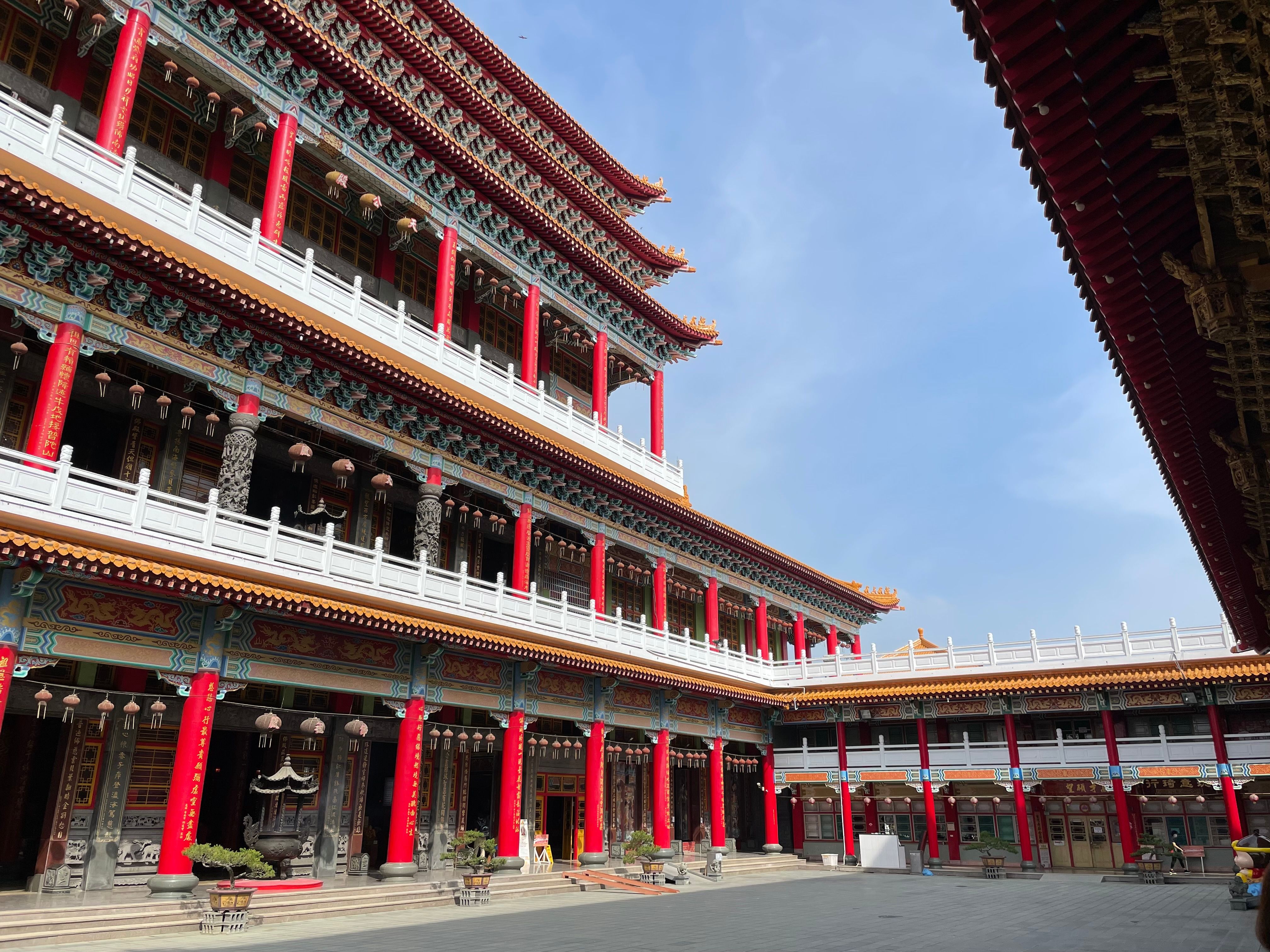
Tainan is Taiwan’s old capital, dense with temples, lanes, night markets and low-rise neighborhoods, combining food, healthcare, rail links, safety, cycling and cultural depth with enough everyday infrastructure for serious long stays.
Overview
Tainan is Taiwan’s old capital, dense with temples, lanes, night markets and low-rise neighborhoods. What makes it unusually useful for DestinationFinderAI is that it is not just a place to visit: it has enough everyday infrastructure, neighborhoods, food, healthcare, transport and local identity to support a serious long stay. Its strongest lifestyle themes are food, healthcare, rail links, safety, cycling and cultural depth. Those strengths show up in ordinary routines rather than only in postcard experiences, which is important for anyone comparing a two-week trip with a two-month stay or a permanent move. The best way to understand Tainan is neighborhood by neighborhood. The historic or central core usually offers the strongest walkability, restaurants and cultural access, while outer residential districts trade some convenience for quieter streets, newer housing or better access to nature. That makes housing choice a major fit variable. A visitor may be happy staying in the center, but a resident also needs groceries, pharmacies, reliable internet, practical transport, medical access and a tolerable commute to the airport or regional services. For remote workers and retirees, the question is less whether Tainan is attractive and more whether its daily systems match the household’s comfort level. The destination’s appeal is particularly strong for food-driven digital nomads, culture lovers and long-stay residents who value healthcare and affordability. The local climate and geography shape the rhythm of the year, and the city’s cultural identity gives it more depth than a generic resort. Food, markets, public spaces and regional excursions make it possible to build repeatable routines rather than simply consume attractions. In many cases, nearby mountains, coast, lakes, vineyards or national parks expand the lifestyle radius without requiring a second base. There are real tradeoffs. The main ones are humid summers, typhoons, Mandarin-heavy bureaucracy and scooter traffic. These are not reasons to reject the destination, but they are exactly the kind of friction that should be tested before relocation. Healthcare depth may differ sharply between routine and specialist care. Long-term housing can behave differently from short-stay rentals. Immigration, taxes and property rules operate independently, so a beautiful apartment or an easy tourist entry does not automatically create a viable residence strategy. A sensible trial should include normal weekday errands, evening mobility, grocery shopping, a medical or pharmacy check, several neighborhoods, and at least one period that is not peak tourist season. Someone considering Tainan for retirement or remote work should also verify building-level internet, summer/winter comfort, the practical need for a car, and how easily they can reach more advanced healthcare or a major airport. If those pieces work, Tainan offers a distinctive combination of place character and real-life functionality that can support vacation, slow travel, digital nomad life or a longer relocation.
Cost of living snapshot
2 budget bands
Executive summary
Estimated one-adult monthly cost of living: $1,410–$2,980 per month (USD).
One adult
$1,410–$2,980 per month (USD)
Couple — two adults sharing housing
$1,904–$4,321 per month (USD)
Estimated for two adults sharing one home. Actual costs vary by housing, lifestyle and healthcare needs.
Monthly cost breakdown
8 live categories
Dining
$180–$350 per month (USD)
Entertainment Fitness
$100–$250 per month (USD)
Groceries
$220–$380 per month (USD)
Healthcare
$80–$220 per month (USD)
Housing
$500–$1,000 per month (USD)
Internet Mobile
$30–$70 per month (USD)
Transport
$60–$180 per month (USD)
Utilities
$90–$180 per month (USD)
How the estimate is framed
Based on the destination's reported monthly cost-of-living range.
Media and atmosphere
4 curated assets
Destination guide
What you'll learn
What to know first
What makes it distinctive
Premium intelligence
Best for food lovers, residents and residents seeking culture and affordability.
Tainan is Taiwan’s old capital, dense with temples, lanes, night markets and low-rise neighborhoods, combining food, healthcare, rail links, safety, cycling and cultural depth with enough everyday infrastructure for serious long stays.
Neighborhood summary
Flagship neighborhood 1
West Central District offers a distinct version of Tainan: more historic core than generic tourist base, and especially useful for temples, food and walkability. Walk it in the morning and evening before committing because street-level feel can change quickly.
Best for
temples, food and walkability
Overall vibe
It offers a clear local rhythm and strong daily-life texture.
Neighborhood resources
Best For
temples, food and walkability
Overall Vibe
It offers a clear local rhythm and strong daily-life texture.
Walkability
very high
Transit
high
Safety
medium-high
Housing
In West Central District, expect Older apartments, historic buildings and infill housing dominate; building condition, stairs, noise and renovation quality can vary dramatically from one block to the next. For a long stay in Tainan, inspect the exact building for stairs/elevator access, insulation or cooling, street noise and the walk to groceries.
Pros
Strong fit for temples, food and walkability; clearer neighborhood identity than a generic city-wide average; useful for testing Tainan as a real base rather than only a visitor stop.
Cons
In West Central District, Prime walkability comes with the highest exposure to visitor traffic, parking pressure, older-building quirks and, in some streets, late-night noise. That tradeoff matters most if your priorities are temples, food and walkability.
Neighborhood intelligence
Parks & recreation
Parks & recreation
Real persisted places tied to this neighborhood.
Neighborhood
West Central District
Attractions & things to do
Attractions & things to do
Real persisted places tied to this neighborhood.
Neighborhood
West Central District
Neighborhood
West Central District
Services & government resources
Services & government resources
Real persisted places tied to this neighborhood.
Neighborhood
West Central District
Family friendly
Family-friendly places
School choice in Tainan depends on language, admissions, location and whether the family wants the local public system or a private/international alternative.
Remote work
Remote-work-friendly spots
Walkability
West Central District rewards slow walking because temples, Shennong Street, Guohua Street and traditional food stops are packed into a relatively tight historic grid. Sidewalk continuity is inconsistent, however, and scooters frequently occupy curb space, so the pedestrian experience is lively rather than polished.
How easily daily errands and neighborhood life can be handled on foot.
Transit
Tainan relies on buses, taxis, scooters and conventional rail rather than a metro. Tainan Station is useful for city-center rail travel, while the THSR station is far to the south in Shalun, so residents quickly learn that high-speed rail and downtown rail are two different mobility systems.
How well the area supports car-light routines and local travel.
Safety
In Tainan, everyday crime risk is neighborhood- and time-specific. Use normal urban precautions, keep valuables discreet in crowded areas and ask locals about the exact blocks you are considering.
How the area is perceived for daily calm and residential comfort.
Live neighborhood resources
Flagship neighborhood 2
Anping is one of the clearest choices in Tainan for heritage and canals. Its historic waterfront character gives it a different day-to-day rhythm from the destination as a whole, so it is worth testing on a normal weekday rather than judging it only from a sightseeing visit.
Best for
heritage and canals
Overall vibe
It offers a clear local rhythm and strong daily-life texture.
Neighborhood resources
Best For
heritage and canals
Overall Vibe
It offers a clear local rhythm and strong daily-life texture.
Walkability
high
Transit
medium-high
Safety
medium-high
Housing
In Anping, expect A mix of apartments, townhouses and detached homes shaped by proximity to the water; views and walkability can command a premium and coastal exposure matters. For a long stay in Tainan, inspect the exact building for stairs/elevator access, insulation or cooling, street noise and the walk to groceries.
Pros
Strong fit for heritage and canals; clearer neighborhood identity than a generic city-wide average; useful for testing Tainan as a real base rather than only a visitor stop.
Cons
In Anping, Seasonal crowds, wind/salt exposure, parking and distance from some everyday services can matter more here than the scenery suggests. That tradeoff matters most if your priorities are heritage and canals.
Neighborhood intelligence
Shopping
Shopping
Real persisted places tied to this neighborhood.
Neighborhood
Anping
Attractions & things to do
Attractions & things to do
Real persisted places tied to this neighborhood.
Neighborhood
Anping
Neighborhood
Anping
Services & government resources
Services & government resources
Real persisted places tied to this neighborhood.
Neighborhood
Anping
Family friendly
Family-friendly places
School choice in Tainan depends on language, admissions, location and whether the family wants the local public system or a private/international alternative.
Remote work
Remote-work-friendly spots
Walkability
West Central District rewards slow walking because temples, Shennong Street, Guohua Street and traditional food stops are packed into a relatively tight historic grid. Sidewalk continuity is inconsistent, however, and scooters frequently occupy curb space, so the pedestrian experience is lively rather than polished.
How easily daily errands and neighborhood life can be handled on foot.
Transit
Tainan relies on buses, taxis, scooters and conventional rail rather than a metro. Tainan Station is useful for city-center rail travel, while the THSR station is far to the south in Shalun, so residents quickly learn that high-speed rail and downtown rail are two different mobility systems.
How well the area supports car-light routines and local travel.
Safety
In Tainan, everyday crime risk is neighborhood- and time-specific. Use normal urban precautions, keep valuables discreet in crowded areas and ask locals about the exact blocks you are considering.
How the area is perceived for daily calm and residential comfort.
Live neighborhood resources
Flagship neighborhood 3
East District offers a distinct version of Tainan: more urban residential than generic tourist base, and especially useful for universities and services. Walk it in the morning and evening before committing because street-level feel can change quickly.
Best for
universities and services
Overall vibe
It offers a clear local rhythm and strong daily-life texture.
Neighborhood resources
Best For
universities and services
Overall Vibe
It offers a clear local rhythm and strong daily-life texture.
Walkability
medium-high
Transit
medium
Safety
medium-high
Housing
In East District, expect Predominantly residential apartments and houses with more everyday services and less visitor traffic than the historic core; exact stock varies by street and building age. For a long stay in Tainan, inspect the exact building for stairs/elevator access, insulation or cooling, street noise and the walk to groceries.
Pros
Strong fit for universities and services; clearer neighborhood identity than a generic city-wide average; useful for testing Tainan as a real base rather than only a visitor stop.
Cons
In East District, The tradeoff for quieter residential living is usually less immediate access to headline sights and a greater reliance on transit, taxis or a car. That tradeoff matters most if your priorities are universities and services.
Neighborhood intelligence
Shopping
Shopping
Real persisted places tied to this neighborhood.
Neighborhood
East District
Attractions & things to do
Attractions & things to do
Real persisted places tied to this neighborhood.
Neighborhood
East District
Neighborhood
East District
Outdoor recreation
Outdoor recreation
Real persisted places tied to this neighborhood.
Neighborhood
East District
Family friendly
Family-friendly places
School choice in Tainan depends on language, admissions, location and whether the family wants the local public system or a private/international alternative.
Remote work
Remote-work-friendly spots
Walkability
West Central District rewards slow walking because temples, Shennong Street, Guohua Street and traditional food stops are packed into a relatively tight historic grid. Sidewalk continuity is inconsistent, however, and scooters frequently occupy curb space, so the pedestrian experience is lively rather than polished.
How easily daily errands and neighborhood life can be handled on foot.
Transit
Tainan relies on buses, taxis, scooters and conventional rail rather than a metro. Tainan Station is useful for city-center rail travel, while the THSR station is far to the south in Shalun, so residents quickly learn that high-speed rail and downtown rail are two different mobility systems.
How well the area supports car-light routines and local travel.
Safety
In Tainan, everyday crime risk is neighborhood- and time-specific. Use normal urban precautions, keep valuables discreet in crowded areas and ask locals about the exact blocks you are considering.
How the area is perceived for daily calm and residential comfort.
Live neighborhood resources
Flagship neighborhood 4
North District is one of the clearest choices in Tainan for value and daily life. Its urban residential character gives it a different day-to-day rhythm from the destination as a whole, so it is worth testing on a normal weekday rather than judging it only from a sightseeing visit.
Best for
value and daily life
Overall vibe
It offers a clear local rhythm and strong daily-life texture.
Neighborhood resources
Best For
value and daily life
Overall Vibe
It offers a clear local rhythm and strong daily-life texture.
Walkability
medium
Transit
medium
Safety
medium-high
Housing
In North District, expect Predominantly residential apartments and houses with more everyday services and less visitor traffic than the historic core; exact stock varies by street and building age. For a long stay in Tainan, inspect the exact building for stairs/elevator access, insulation or cooling, street noise and the walk to groceries.
Pros
Strong fit for value and daily life; clearer neighborhood identity than a generic city-wide average; useful for testing Tainan as a real base rather than only a visitor stop.
Cons
In North District, The tradeoff for quieter residential living is usually less immediate access to headline sights and a greater reliance on transit, taxis or a car. That tradeoff matters most if your priorities are value and daily life.
Neighborhood intelligence
Shopping
Shopping
Real persisted places tied to this neighborhood.
Neighborhood
North District
Healthcare
Healthcare
Real persisted places tied to this neighborhood.
Neighborhood
North District
Attractions & things to do
Attractions & things to do
Real persisted places tied to this neighborhood.
Neighborhood
North District
Family friendly
Family-friendly places
School choice in Tainan depends on language, admissions, location and whether the family wants the local public system or a private/international alternative.
Remote work
Remote-work-friendly spots
Walkability
West Central District rewards slow walking because temples, Shennong Street, Guohua Street and traditional food stops are packed into a relatively tight historic grid. Sidewalk continuity is inconsistent, however, and scooters frequently occupy curb space, so the pedestrian experience is lively rather than polished.
How easily daily errands and neighborhood life can be handled on foot.
Transit
Tainan relies on buses, taxis, scooters and conventional rail rather than a metro. Tainan Station is useful for city-center rail travel, while the THSR station is far to the south in Shalun, so residents quickly learn that high-speed rail and downtown rail are two different mobility systems.
How well the area supports car-light routines and local travel.
Safety
In Tainan, everyday crime risk is neighborhood- and time-specific. Use normal urban precautions, keep valuables discreet in crowded areas and ask locals about the exact blocks you are considering.
How the area is perceived for daily calm and residential comfort.
Live neighborhood resources
Destination highlights
Parks & recreation across Tainan
Real, verified Tainan places in this category.
Neighborhood
Tainan
Shopping across Tainan
Real, verified Tainan places in this category.
Neighborhood
Tainan
Neighborhood
Tainan
Neighborhood
Tainan
Healthcare across Tainan
Real, verified Tainan places in this category.
Neighborhood
Tainan
Neighborhood
Tainan
Entertainment & nightlife across Tainan
Real, verified Tainan places in this category.
Neighborhood
Tainan
Attractions & things to do across Tainan
Real, verified Tainan places in this category.
Neighborhood
Tainan
Neighborhood
Tainan
Neighborhood
Tainan
Neighborhood
Tainan
Neighborhood
Tainan
Neighborhood
Tainan
Neighborhood
Tainan
Neighborhood
Tainan
Outdoor recreation across Tainan
Real, verified Tainan places in this category.
Neighborhood
Tainan
Services & government resources across Tainan
Real, verified Tainan places in this category.
Neighborhood
Tainan
Neighborhood
Tainan
Maps and resources
Hotels
Vacation Rentals
Healthcare
Weather
Museums
Consulates
Social Discovery
Editorial overview
Movement
Tainan primary/regional airport access is the main air-access reference for Tainan. Check seasonal schedules before booking a long stay, because route depth can change significantly outside peak periods.
Seasonal living
Tropical savanna climate with hot humid summers and mild winters
Living there
Best for food lovers, residents and residents seeking culture and affordability.
Morning: Tainan is Taiwan’s old capital, dense with temples, lanes, night markets and low-rise neighborhoods, combining food, healthcare, rail links, safety, cycling and cultural depth with enough everyday infrastructure for serious long stays. Evening: Tainan is Taiwan’s old capital, dense with temples, lanes, night markets and low-rise neighborhoods. What makes it unusually useful for DestinationFinderAI is that it is not just a place to visit: it has enough everyday infrastructure, neighborhoods, food, healthcare, transport and local identity to support a serious long stay. Its strongest lifestyle themes are food, healthcare, rail links, safety, cycling and cultural depth. Those strengths show up in ordinary routines rather than only in postcard experiences, which is important for anyone comparing a two-week trip with a two-month stay or a permanent move. The best way to understand Tainan is neighborhood by neighborhood. The historic or central core usually offers the strongest walkability, restaurants and cultural access, while outer residential districts trade some convenience for quieter streets, newer housing or better access to nature. That makes housing choice a major fit variable. A visitor may be happy staying in the center, but a resident also needs groceries, pharmacies, reliable internet, practical transport, medical access and a tolerable commute to the airport or regional services. For remote workers and retirees, the question is less whether Tainan is attractive and more whether its daily systems match the household’s comfort level. The destination’s appeal is particularly strong for food-driven digital nomads, culture lovers and long-stay residents who value healthcare and affordability. The local climate and geography shape the rhythm of the year, and the city’s cultural identity gives it more depth than a generic resort. Food, markets, public spaces and regional excursions make it possible to build repeatable routines rather than simply consume attractions. In many cases, nearby mountains, coast, lakes, vineyards or national parks expand the lifestyle radius without requiring a second base. There are real tradeoffs. The main ones are humid summers, typhoons, Mandarin-heavy bureaucracy and scooter traffic. These are not reasons to reject the destination, but they are exactly the kind of friction that should be tested before relocation. Healthcare depth may differ sharply between routine and specialist care. Long-term housing can behave differently from short-stay rentals. Immigration, taxes and property rules operate independently, so a beautiful apartment or an easy tourist entry does not automatically create a viable residence strategy. A sensible trial should include normal weekday errands, evening mobility, grocery shopping, a medical or pharmacy check, several neighborhoods, and at least one period that is not peak tourist season. Someone considering Tainan for retirement or remote work should also verify building-level internet, summer/winter comfort, the practical need for a car, and how easily they can reach more advanced healthcare or a major airport. If those pieces work, Tainan offers a distinctive combination of place character and real-life functionality that can support vacation, slow travel, digital nomad life or a longer relocation. Seasonal rhythm: Tropical savanna climate with hot humid summers and mild winters
Weather
Tropical savanna climate with hot humid summers and mild winters
Movement
Tainan primary/regional airport access is the main air-access reference for Tainan. Check seasonal schedules before booking a long stay, because route depth can change significantly outside peak periods.
Airport access: Regional and international access
Wellness
National Cheng Kung University Hospital and Chi Mei Medical Center give Tainan unusually deep medical capacity for a mid-sized destination, with excellent access to diagnostics and specialties.
Insurance and access: For a first long stay in Tainan, international or private cover can reduce uncertainty around private hospitals, referrals and evacuation or transfer if higher-complexity care is needed.
Retirement
Healthcare, food, mild winters and daily convenience are major strengths; humid summers, scooter-heavy streets and residence eligibility are the main retirement filters.
Who should not: Tainan is Taiwan’s old capital, dense with temples, lanes, night markets and low-rise neighborhoods. What makes it unusually useful for DestinationFinderAI is that it is not just a place to visit: it has enough everyday infrastructure, neighborhoods, food, healthcare, transport and local identity to support a serious long stay. Its strongest lifestyle themes are food, healthcare, rail links, safety, cycling and cultural depth. Those strengths show up in ordinary routines rather than only in postcard experiences, which is important for anyone comparing a two-week trip with a two-month stay or a permanent move. The best way to understand Tainan is neighborhood by neighborhood. The historic or central core usually offers the strongest walkability, restaurants and cultural access, while outer residential districts trade some convenience for quieter streets, newer housing or better access to nature. That makes housing choice a major fit variable. A visitor may be happy staying in the center, but a resident also needs groceries, pharmacies, reliable internet, practical transport, medical access and a tolerable commute to the airport or regional services. For remote workers and retirees, the question is less whether Tainan is attractive and more whether its daily systems match the household’s comfort level. The destination’s appeal is particularly strong for food-driven digital nomads, culture lovers and long-stay residents who value healthcare and affordability. The local climate and geography shape the rhythm of the year, and the city’s cultural identity gives it more depth than a generic resort. Food, markets, public spaces and regional excursions make it possible to build repeatable routines rather than simply consume attractions. In many cases, nearby mountains, coast, lakes, vineyards or national parks expand the lifestyle radius without requiring a second base. There are real tradeoffs. The main ones are humid summers, typhoons, Mandarin-heavy bureaucracy and scooter traffic. These are not reasons to reject the destination, but they are exactly the kind of friction that should be tested before relocation. Healthcare depth may differ sharply between routine and specialist care. Long-term housing can behave differently from short-stay rentals. Immigration, taxes and property rules operate independently, so a beautiful apartment or an easy tourist entry does not automatically create a viable residence strategy. A sensible trial should include normal weekday errands, evening mobility, grocery shopping, a medical or pharmacy check, several neighborhoods, and at least one period that is not peak tourist season. Someone considering Tainan for retirement or remote work should also verify building-level internet, summer/winter comfort, the practical need for a car, and how easily they can reach more advanced healthcare or a major airport. If those pieces work, Tainan offers a distinctive combination of place character and real-life functionality that can support vacation, slow travel, digital nomad life or a longer relocation. Best neighborhoods: West Central District, Anping, East District, North District, Yongkang Climate considerations: Tropical savanna climate with hot humid summers and mild winters Taxes: Estimated one-adult monthly cost of living: $1,410–$2,980 per month (USD).
Family
School choice in Tainan depends on language, admissions, location and whether the family wants the local public system or a private/international alternative.
Activities: Best for food lovers, residents and residents seeking culture and affordability. Neighborhood recommendations: West Central District, Anping, East District, North District, Yongkang
Remote work
High-speed broadband and mobile service are excellent; Tainan is one of the easier destinations in the batch for technically demanding remote work.
Coworking: Best for food lovers, residents and residents seeking culture and affordability. Visa: Requirements vary by citizenship Monthly costs: One adult: $1,410–$2,980 per month (USD) • Couple — two adults sharing housing: $1,904–$4,321 per month (USD) Best neighborhoods: West Central District, Anping, East District, North District, Yongkang
Personal safety
Walkability and terrain
Daily errands and convenience
Internet and remote-work reliability
Language ease
Social integration and community character
LGBTQ+ considerations
Family
Pets
Environmental and natural-hazard risks
Crowds and seasonality
Who tends to love or struggle with this destination
Real destination-level research
What day-to-day life, the surrounding landscape, and recreation genuinely look like here - based on verified research, never a generic checklist.
Coffee & Cafés
Tainan's café scene mixes third-wave coffee shops with converted old houses tucked into lanes around West Central and East District. It works especially well for remote workers who enjoy rotating between quiet independent cafés, but opening hours and seating policies vary enough that having several reliable regular spots matters.
Community
Night markets, temples, neighborhood breakfast shops and university life create frequent local contact. The international community is present but smaller than Taipei's.
Culture & Museums
Few Taiwanese cities have Tainan's concentration of historic layers: Chihkan Tower, Confucius Temple, Grand Mazu Temple, Anping Fort and the Tainan Art Museum can support repeated visits. The appeal is not only institutional; temples, old merchant streets and neighborhood festivals make history part of everyday streetscape.
Named places
Dining
Tainan is one of Taiwan's strongest food cities, with beef soup, danzai noodles, milkfish, shrimp rolls and endless snack stalls competing for attention. Guohua Street and traditional markets are useful starting points, but long-stay residents usually find their favorite breakfast shop, noodle stall and night snack by neighborhood.
Groceries
Traditional markets remain important for fish, vegetables, fruit and prepared foods, while PX Mart, Carrefour and convenience stores handle routine packaged groceries. A central resident can shop frequently on foot or scooter, but carrying larger loads is one reason scooters remain deeply embedded in daily life.
Named places
Healthcare
National Cheng Kung University Hospital and Chi Mei Medical Center give Tainan unusually deep medical capacity for a mid-sized destination, with excellent access to diagnostics and specialties.
Internet / Remote Work
High-speed broadband and mobile service are excellent; Tainan is one of the easier destinations in the batch for technically demanding remote work.
Language
Mandarin is the practical default, with Taiwanese Hokkien also common. English works better in universities, hospitals and younger professional settings than in neighborhood administration.
Natural Setting
Summers are hot, humid and typhoon-prone. Winters are mild, and air quality can vary with regional weather and industrial emissions.
Named places
Parks / Outdoors
Tainan's best outdoor spaces are varied rather than monumental: Tainan Metropolitan Park, Anping's waterfront, canal paths and neighborhood green spaces provide room to walk and cycle. The real constraint is climate, because heat, humidity and summer rain often determine when outdoor time is comfortable.
Settlement Type
Taiwan's old capital, a low-rise southern city of temples, market lanes, food culture and humid subtropical weather
Transit / Mobility
Tainan relies on buses, taxis, scooters and conventional rail rather than a metro. Tainan Station is useful for city-center rail travel, while the THSR station is far to the south in Shalun, so residents quickly learn that high-speed rail and downtown rail are two different mobility systems.
Named places
Walkability
West Central District rewards slow walking because temples, Shennong Street, Guohua Street and traditional food stops are packed into a relatively tight historic grid. Sidewalk continuity is inconsistent, however, and scooters frequently occupy curb space, so the pedestrian experience is lively rather than polished.
Climate (monthly)