Lifestyle at a glance
Best for residents and slow travelers seeking culture, walkability and affordability.

DestinationFinderAI premium guide
Bolivia
Sucre, Bolivia
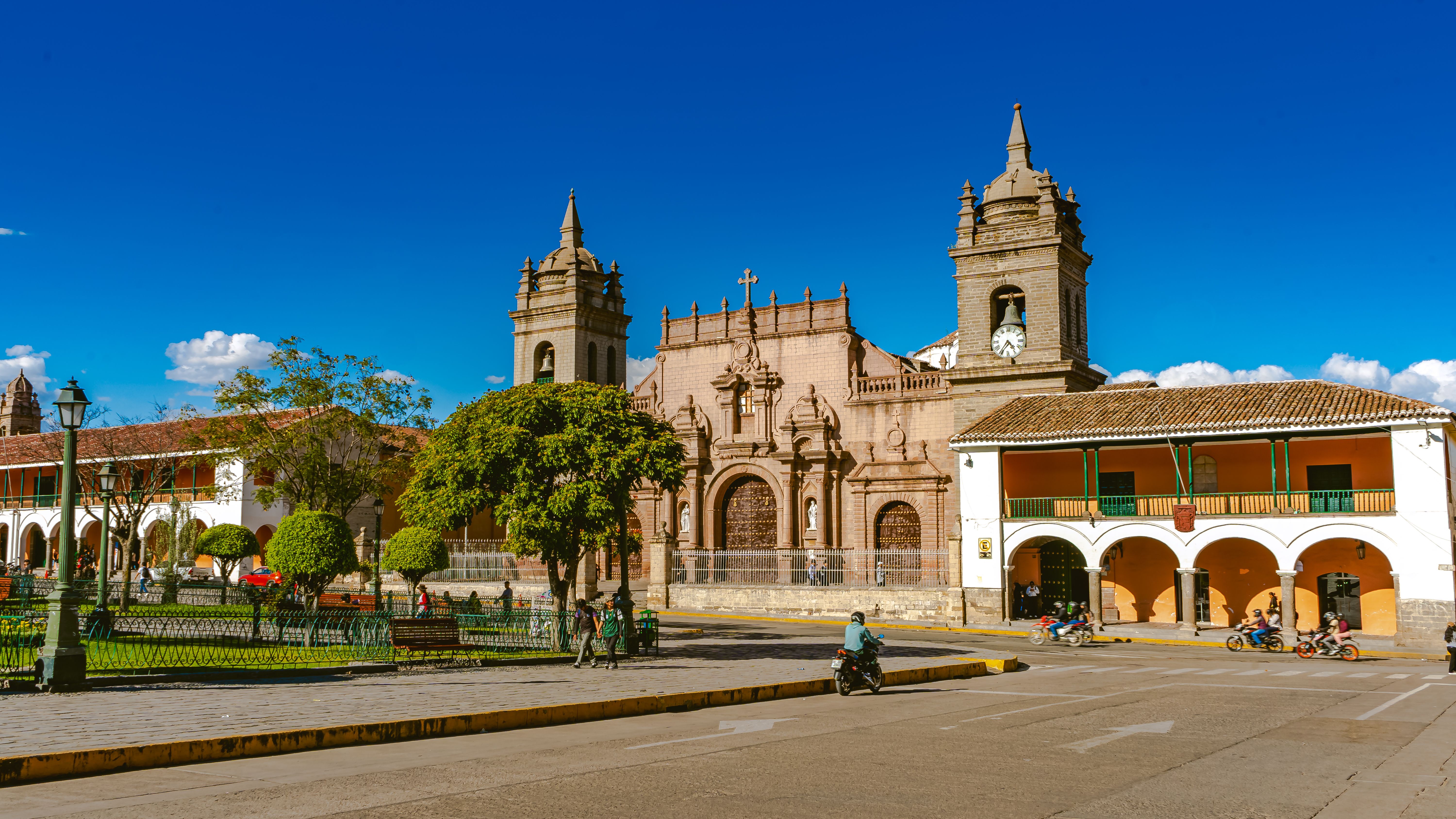
Sucre is a graceful highland capital of white colonial facades and university life, combining architecture, mild days, affordability, language schools and slower pace with enough everyday infrastructure for serious long stays.
Overview
Sucre is a graceful highland capital of white colonial facades and university life. What makes it unusually useful for DestinationFinderAI is that it is not just a place to visit: it has enough everyday infrastructure, neighborhoods, food, healthcare, transport and local identity to support a serious long stay. Its strongest lifestyle themes are architecture, mild days, affordability, language schools and slower pace. Those strengths show up in ordinary routines rather than only in postcard experiences, which is important for anyone comparing a two-week trip with a two-month stay or a permanent move. The best way to understand Sucre is neighborhood by neighborhood. The historic or central core usually offers the strongest walkability, restaurants and cultural access, while outer residential districts trade some convenience for quieter streets, newer housing or better access to nature. That makes housing choice a major fit variable. A visitor may be happy staying in the center, but a resident also needs groceries, pharmacies, reliable internet, practical transport, medical access and a tolerable commute to the airport or regional services. For remote workers and retirees, the question is less whether Sucre is attractive and more whether its daily systems match the household’s comfort level. The destination’s appeal is particularly strong for Spanish learners, long-stay travelers and budget-minded retirees. The local climate and geography shape the rhythm of the year, and the city’s cultural identity gives it more depth than a generic resort. Food, markets, public spaces and regional excursions make it possible to build repeatable routines rather than simply consume attractions. In many cases, nearby mountains, coast, lakes, vineyards or national parks expand the lifestyle radius without requiring a second base. There are real tradeoffs. The main ones are altitude, limited specialist healthcare, weaker air connectivity and uneven infrastructure. These are not reasons to reject the destination, but they are exactly the kind of friction that should be tested before relocation. Healthcare depth may differ sharply between routine and specialist care. Long-term housing can behave differently from short-stay rentals. Immigration, taxes and property rules operate independently, so a beautiful apartment or an easy tourist entry does not automatically create a viable residence strategy. A sensible trial should include normal weekday errands, evening mobility, grocery shopping, a medical or pharmacy check, several neighborhoods, and at least one period that is not peak tourist season. Someone considering Sucre for retirement or remote work should also verify building-level internet, summer/winter comfort, the practical need for a car, and how easily they can reach more advanced healthcare or a major airport. If those pieces work, Sucre offers a distinctive combination of place character and real-life functionality that can support vacation, slow travel, digital nomad life or a longer relocation.
Cost of living snapshot
2 budget bands
Executive summary
Estimated one-adult monthly cost of living: $1,160–$2,530 per month (USD).
One adult
$1,160–$2,530 per month (USD)
Couple — two adults sharing housing
$1,566–$3,668 per month (USD)
Estimated for two adults sharing one home. Actual costs vary by housing, lifestyle and healthcare needs.
Monthly cost breakdown
8 live categories
Dining
$180–$350 per month (USD)
Entertainment Fitness
$100–$250 per month (USD)
Groceries
$220–$380 per month (USD)
Healthcare
$80–$220 per month (USD)
Housing
$250–$550 per month (USD)
Internet Mobile
$30–$70 per month (USD)
Transport
$60–$180 per month (USD)
Utilities
$90–$180 per month (USD)
How the estimate is framed
Based on the destination's reported monthly cost-of-living range.
Media and atmosphere
4 curated assets
Destination guide
What you'll learn
What to know first
What makes it distinctive
Premium intelligence
Best for residents and slow travelers seeking culture, walkability and affordability.
Sucre is a graceful highland capital of white colonial facades and university life, combining architecture, mild days, affordability, language schools and slower pace with enough everyday infrastructure for serious long stays.
Neighborhood summary
Flagship neighborhood 1
Centro Histórico is one of the clearest choices in Sucre for walkability and architecture. Its historic core character gives it a different day-to-day rhythm from the destination as a whole, so it is worth testing on a normal weekday rather than judging it only from a sightseeing visit.
Best for
walkability and architecture
Overall vibe
It offers a clear local rhythm and strong daily-life texture.
Neighborhood resources
Best For
walkability and architecture
Overall Vibe
It offers a clear local rhythm and strong daily-life texture.
Walkability
very high
Transit
high
Safety
medium-high
Housing
In Centro Histórico, expect Older apartments, historic buildings and infill housing dominate; building condition, stairs, noise and renovation quality can vary dramatically from one block to the next. For a long stay in Sucre, inspect the exact building for stairs/elevator access, insulation or cooling, street noise and the walk to groceries.
Pros
Strong fit for walkability and architecture; clearer neighborhood identity than a generic city-wide average; useful for testing Sucre as a real base rather than only a visitor stop.
Cons
In Centro Histórico, Prime walkability comes with the highest exposure to visitor traffic, parking pressure, older-building quirks and, in some streets, late-night noise. That tradeoff matters most if your priorities are walkability and architecture.
Neighborhood intelligence
Coffee
Coffee
Real persisted places tied to this neighborhood.
Neighborhood
Centro Histórico
Parks & recreation
Parks & recreation
Real persisted places tied to this neighborhood.
Neighborhood
Centro Histórico
Attractions & things to do
Attractions & things to do
Real persisted places tied to this neighborhood.
Neighborhood
Centro Histórico
Services & government resources
Services & government resources
Real persisted places tied to this neighborhood.
Neighborhood
Centro Histórico
Family friendly
Family-friendly places
School choice in Sucre depends on language, admissions, location and whether the family wants the local public system or a private/international alternative.
Remote work
Remote-work-friendly spots
Walkability
Sucre's whitewashed historic center is compact and rewarding on foot, with Plaza 25 de Mayo, Casa de la Libertad and the central market close together. Cobblestones, steep climbs toward Recoleta and the city's 2,800-meter elevation can make a short walk surprisingly tiring until you acclimatize.
How easily daily errands and neighborhood life can be handled on foot.
Transit
Taxis are inexpensive and the easiest way to bridge hills or carry groceries, while micros and buses handle local routes for residents. Long-distance buses remain important for intercity travel, and Alcantarí Airport requires a road transfer well outside the historic center.
How well the area supports car-light routines and local travel.
Safety
In Sucre, everyday crime risk is neighborhood- and time-specific. Use normal urban precautions, keep valuables discreet in crowded areas and ask locals about the exact blocks you are considering.
How the area is perceived for daily calm and residential comfort.
Live neighborhood resources
Flagship neighborhood 2
Recoleta offers a distinct version of Sucre: more hillside historic than generic tourist base, and especially useful for views and cafés. Walk it in the morning and evening before committing because street-level feel can change quickly.
Best for
views and cafés
Overall vibe
It offers a clear local rhythm and strong daily-life texture.
Neighborhood resources
Best For
views and cafés
Overall Vibe
It offers a clear local rhythm and strong daily-life texture.
Walkability
high
Transit
medium-high
Safety
medium-high
Housing
In Recoleta, expect Residential stock ranges from local apartments to detached houses and newer developments; the exact street matters for noise, slope, transit and access to groceries. For a long stay in Sucre, inspect the exact building for stairs/elevator access, insulation or cooling, street noise and the walk to groceries.
Pros
Strong fit for views and cafés; clearer neighborhood identity than a generic city-wide average; useful for testing Sucre as a real base rather than only a visitor stop.
Cons
In Recoleta, Micro-location matters: the same district can shift quickly from convenient to car-dependent, steep, noisy or isolated. That tradeoff matters most if your priorities are views and cafés.
Neighborhood intelligence
Shopping
Shopping
Real persisted places tied to this neighborhood.
Neighborhood
Recoleta
Attractions & things to do
Attractions & things to do
Real persisted places tied to this neighborhood.
Neighborhood
Recoleta
Neighborhood
Recoleta
Services & government resources
Services & government resources
Real persisted places tied to this neighborhood.
Neighborhood
Recoleta
Family friendly
Family-friendly places
School choice in Sucre depends on language, admissions, location and whether the family wants the local public system or a private/international alternative.
Remote work
Remote-work-friendly spots
Walkability
Sucre's whitewashed historic center is compact and rewarding on foot, with Plaza 25 de Mayo, Casa de la Libertad and the central market close together. Cobblestones, steep climbs toward Recoleta and the city's 2,800-meter elevation can make a short walk surprisingly tiring until you acclimatize.
How easily daily errands and neighborhood life can be handled on foot.
Transit
Taxis are inexpensive and the easiest way to bridge hills or carry groceries, while micros and buses handle local routes for residents. Long-distance buses remain important for intercity travel, and Alcantarí Airport requires a road transfer well outside the historic center.
How well the area supports car-light routines and local travel.
Safety
In Sucre, everyday crime risk is neighborhood- and time-specific. Use normal urban precautions, keep valuables discreet in crowded areas and ask locals about the exact blocks you are considering.
How the area is perceived for daily calm and residential comfort.
Live neighborhood resources
Flagship neighborhood 3
For a longer stay in Sucre, San Roque is best understood as a residential central district with particular strength for local life and value. It can be a strong fit when those priorities matter more than being close to every major attraction.
Best for
local life and value
Overall vibe
It offers a clear local rhythm and strong daily-life texture.
Neighborhood resources
Best For
local life and value
Overall Vibe
It offers a clear local rhythm and strong daily-life texture.
Walkability
medium-high
Transit
medium
Safety
medium-high
Housing
In San Roque, expect Residential stock ranges from local apartments to detached houses and newer developments; the exact street matters for noise, slope, transit and access to groceries. For a long stay in Sucre, inspect the exact building for stairs/elevator access, insulation or cooling, street noise and the walk to groceries.
Pros
Strong fit for local life and value; clearer neighborhood identity than a generic city-wide average; useful for testing Sucre as a real base rather than only a visitor stop.
Cons
In San Roque, Micro-location matters: the same district can shift quickly from convenient to car-dependent, steep, noisy or isolated. That tradeoff matters most if your priorities are local life and value.
Neighborhood intelligence
Parks & recreation
Parks & recreation
Real persisted places tied to this neighborhood.
Neighborhood
San Roque
Shopping
Shopping
Real persisted places tied to this neighborhood.
Neighborhood
San Roque
Healthcare
Healthcare
Real persisted places tied to this neighborhood.
Neighborhood
San Roque
Attractions & things to do
Attractions & things to do
Real persisted places tied to this neighborhood.
Neighborhood
San Roque
Family friendly
Family-friendly places
School choice in Sucre depends on language, admissions, location and whether the family wants the local public system or a private/international alternative.
Remote work
Remote-work-friendly spots
Walkability
Sucre's whitewashed historic center is compact and rewarding on foot, with Plaza 25 de Mayo, Casa de la Libertad and the central market close together. Cobblestones, steep climbs toward Recoleta and the city's 2,800-meter elevation can make a short walk surprisingly tiring until you acclimatize.
How easily daily errands and neighborhood life can be handled on foot.
Transit
Taxis are inexpensive and the easiest way to bridge hills or carry groceries, while micros and buses handle local routes for residents. Long-distance buses remain important for intercity travel, and Alcantarí Airport requires a road transfer well outside the historic center.
How well the area supports car-light routines and local travel.
Safety
In Sucre, everyday crime risk is neighborhood- and time-specific. Use normal urban precautions, keep valuables discreet in crowded areas and ask locals about the exact blocks you are considering.
How the area is perceived for daily calm and residential comfort.
Live neighborhood resources
Flagship neighborhood 4
If services and transport are high on the list, Av. Las Américas deserves a serious look in Sucre. The area's modern urban feel can make it more livable for a resident than a postcard-famous district, but the exact building and block still matter.
Best for
services and transport
Overall vibe
It offers a clear local rhythm and strong daily-life texture.
Neighborhood resources
Best For
services and transport
Overall Vibe
It offers a clear local rhythm and strong daily-life texture.
Walkability
medium
Transit
medium
Safety
medium-high
Housing
In Av. Las Américas, expect Residential stock ranges from local apartments to detached houses and newer developments; the exact street matters for noise, slope, transit and access to groceries. For a long stay in Sucre, inspect the exact building for stairs/elevator access, insulation or cooling, street noise and the walk to groceries.
Pros
Strong fit for services and transport; clearer neighborhood identity than a generic city-wide average; useful for testing Sucre as a real base rather than only a visitor stop.
Cons
In Av. Las Américas, Micro-location matters: the same district can shift quickly from convenient to car-dependent, steep, noisy or isolated. That tradeoff matters most if your priorities are services and transport.
Neighborhood intelligence
Restaurants
Restaurants
Real persisted places tied to this neighborhood.
Neighborhood
Av. Las Américas
Healthcare
Healthcare
Real persisted places tied to this neighborhood.
Neighborhood
Av. Las Américas
Attractions & things to do
Attractions & things to do
Real persisted places tied to this neighborhood.
Neighborhood
Av. Las Américas
Family friendly
Family-friendly places
School choice in Sucre depends on language, admissions, location and whether the family wants the local public system or a private/international alternative.
Remote work
Remote-work-friendly spots
Walkability
Sucre's whitewashed historic center is compact and rewarding on foot, with Plaza 25 de Mayo, Casa de la Libertad and the central market close together. Cobblestones, steep climbs toward Recoleta and the city's 2,800-meter elevation can make a short walk surprisingly tiring until you acclimatize.
How easily daily errands and neighborhood life can be handled on foot.
Transit
Taxis are inexpensive and the easiest way to bridge hills or carry groceries, while micros and buses handle local routes for residents. Long-distance buses remain important for intercity travel, and Alcantarí Airport requires a road transfer well outside the historic center.
How well the area supports car-light routines and local travel.
Safety
In Sucre, everyday crime risk is neighborhood- and time-specific. Use normal urban precautions, keep valuables discreet in crowded areas and ask locals about the exact blocks you are considering.
How the area is perceived for daily calm and residential comfort.
Live neighborhood resources
Destination highlights
Restaurants across Sucre
Real, verified Sucre places in this category.
Neighborhood
Sucre
Neighborhood
Sucre
Coffee across Sucre
Real, verified Sucre places in this category.
Neighborhood
Sucre
Parks & recreation across Sucre
Real, verified Sucre places in this category.
Neighborhood
Sucre
Neighborhood
Sucre
Shopping across Sucre
Real, verified Sucre places in this category.
Neighborhood
Sucre
Neighborhood
Sucre
Healthcare across Sucre
Real, verified Sucre places in this category.
Neighborhood
Sucre
Neighborhood
Sucre
Attractions & things to do across Sucre
Real, verified Sucre places in this category.
Neighborhood
Sucre
Neighborhood
Sucre
Neighborhood
Sucre
Neighborhood
Sucre
Neighborhood
Sucre
Neighborhood
Sucre
Services & government resources across Sucre
Real, verified Sucre places in this category.
Neighborhood
Sucre
Neighborhood
Sucre
Neighborhood
Sucre
Maps and resources
Hotels
Vacation Rentals
Healthcare
Weather
Museums
Consulates
Social Discovery
Editorial overview
Movement
Sucre primary/regional airport access is the main air-access reference for Sucre. Check seasonal schedules before booking a long stay, because route depth can change significantly outside peak periods.
Seasonal living
Subtropical highland climate with mild days and cool nights
Living there
Best for residents and slow travelers seeking culture, walkability and affordability.
Morning: Sucre is a graceful highland capital of white colonial facades and university life, combining architecture, mild days, affordability, language schools and slower pace with enough everyday infrastructure for serious long stays. Evening: Sucre is a graceful highland capital of white colonial facades and university life. What makes it unusually useful for DestinationFinderAI is that it is not just a place to visit: it has enough everyday infrastructure, neighborhoods, food, healthcare, transport and local identity to support a serious long stay. Its strongest lifestyle themes are architecture, mild days, affordability, language schools and slower pace. Those strengths show up in ordinary routines rather than only in postcard experiences, which is important for anyone comparing a two-week trip with a two-month stay or a permanent move. The best way to understand Sucre is neighborhood by neighborhood. The historic or central core usually offers the strongest walkability, restaurants and cultural access, while outer residential districts trade some convenience for quieter streets, newer housing or better access to nature. That makes housing choice a major fit variable. A visitor may be happy staying in the center, but a resident also needs groceries, pharmacies, reliable internet, practical transport, medical access and a tolerable commute to the airport or regional services. For remote workers and retirees, the question is less whether Sucre is attractive and more whether its daily systems match the household’s comfort level. The destination’s appeal is particularly strong for Spanish learners, long-stay travelers and budget-minded retirees. The local climate and geography shape the rhythm of the year, and the city’s cultural identity gives it more depth than a generic resort. Food, markets, public spaces and regional excursions make it possible to build repeatable routines rather than simply consume attractions. In many cases, nearby mountains, coast, lakes, vineyards or national parks expand the lifestyle radius without requiring a second base. There are real tradeoffs. The main ones are altitude, limited specialist healthcare, weaker air connectivity and uneven infrastructure. These are not reasons to reject the destination, but they are exactly the kind of friction that should be tested before relocation. Healthcare depth may differ sharply between routine and specialist care. Long-term housing can behave differently from short-stay rentals. Immigration, taxes and property rules operate independently, so a beautiful apartment or an easy tourist entry does not automatically create a viable residence strategy. A sensible trial should include normal weekday errands, evening mobility, grocery shopping, a medical or pharmacy check, several neighborhoods, and at least one period that is not peak tourist season. Someone considering Sucre for retirement or remote work should also verify building-level internet, summer/winter comfort, the practical need for a car, and how easily they can reach more advanced healthcare or a major airport. If those pieces work, Sucre offers a distinctive combination of place character and real-life functionality that can support vacation, slow travel, digital nomad life or a longer relocation. Seasonal rhythm: Subtropical highland climate with mild days and cool nights
Weather
Subtropical highland climate with mild days and cool nights
Movement
Sucre primary/regional airport access is the main air-access reference for Sucre. Check seasonal schedules before booking a long stay, because route depth can change significantly outside peak periods.
Airport access: Regional and international access
Wellness
Hospital Santa Bárbara and university-linked facilities cover routine and emergency care, while very complex cases may require travel to a larger Bolivian center.
Insurance and access: For a first long stay in Sucre, international or private cover can reduce uncertainty around private hospitals, referrals and evacuation or transfer if higher-complexity care is needed.
Retirement
Sucre's affordability, architecture and moderate climate are attractive, but altitude, specialist healthcare and residency administration need realistic testing.
Who should not: Sucre is a graceful highland capital of white colonial facades and university life. What makes it unusually useful for DestinationFinderAI is that it is not just a place to visit: it has enough everyday infrastructure, neighborhoods, food, healthcare, transport and local identity to support a serious long stay. Its strongest lifestyle themes are architecture, mild days, affordability, language schools and slower pace. Those strengths show up in ordinary routines rather than only in postcard experiences, which is important for anyone comparing a two-week trip with a two-month stay or a permanent move. The best way to understand Sucre is neighborhood by neighborhood. The historic or central core usually offers the strongest walkability, restaurants and cultural access, while outer residential districts trade some convenience for quieter streets, newer housing or better access to nature. That makes housing choice a major fit variable. A visitor may be happy staying in the center, but a resident also needs groceries, pharmacies, reliable internet, practical transport, medical access and a tolerable commute to the airport or regional services. For remote workers and retirees, the question is less whether Sucre is attractive and more whether its daily systems match the household’s comfort level. The destination’s appeal is particularly strong for Spanish learners, long-stay travelers and budget-minded retirees. The local climate and geography shape the rhythm of the year, and the city’s cultural identity gives it more depth than a generic resort. Food, markets, public spaces and regional excursions make it possible to build repeatable routines rather than simply consume attractions. In many cases, nearby mountains, coast, lakes, vineyards or national parks expand the lifestyle radius without requiring a second base. There are real tradeoffs. The main ones are altitude, limited specialist healthcare, weaker air connectivity and uneven infrastructure. These are not reasons to reject the destination, but they are exactly the kind of friction that should be tested before relocation. Healthcare depth may differ sharply between routine and specialist care. Long-term housing can behave differently from short-stay rentals. Immigration, taxes and property rules operate independently, so a beautiful apartment or an easy tourist entry does not automatically create a viable residence strategy. A sensible trial should include normal weekday errands, evening mobility, grocery shopping, a medical or pharmacy check, several neighborhoods, and at least one period that is not peak tourist season. Someone considering Sucre for retirement or remote work should also verify building-level internet, summer/winter comfort, the practical need for a car, and how easily they can reach more advanced healthcare or a major airport. If those pieces work, Sucre offers a distinctive combination of place character and real-life functionality that can support vacation, slow travel, digital nomad life or a longer relocation. Best neighborhoods: Centro Histórico, Recoleta, San Roque, Av. Las Américas, Zona Norte Climate considerations: Subtropical highland climate with mild days and cool nights Taxes: Estimated one-adult monthly cost of living: $1,160–$2,530 per month (USD).
Family
School choice in Sucre depends on language, admissions, location and whether the family wants the local public system or a private/international alternative.
Activities: Best for residents and slow travelers seeking culture, walkability and affordability. Neighborhood recommendations: Centro Histórico, Recoleta, San Roque, Av. Las Américas, Zona Norte
Remote work
Internet quality has improved but can vary by building and provider. Remote workers should keep mobile backup and test video-call performance before signing.
Coworking: Best for residents and slow travelers seeking culture, walkability and affordability. Visa: Requirements vary by citizenship Monthly costs: One adult: $1,160–$2,530 per month (USD) • Couple — two adults sharing housing: $1,566–$3,668 per month (USD) Best neighborhoods: Centro Histórico, Recoleta, San Roque, Av. Las Américas, Zona Norte
Personal safety
Walkability and terrain
Daily errands and convenience
Internet and remote-work reliability
Language ease
Social integration and community character
LGBTQ+ considerations
Family
Pets
Environmental and natural-hazard risks
Crowds and seasonality
Who tends to love or struggle with this destination
Real destination-level research
What day-to-day life, the surrounding landscape, and recreation genuinely look like here - based on verified research, never a generic checklist.
Coffee & Cafés
Sucre has a relaxed café scene around the center and Recoleta, supported by language students, travelers and local professionals. The best places function as social rooms as much as coffee stops, making them useful for meeting people during a longer stay in a city with a smaller expat footprint.
Named places
Community
Spanish-language café, market and university life creates a sociable rhythm. Sucre has a modest foreign-resident and language-school community without feeling dominated by it.
Culture & Museums
Casa de la Libertad, Museo ASUR, San Felipe Neri and La Recoleta give Sucre substantial historical depth, reflecting its role in Bolivian independence and Indigenous textile traditions. The preserved colonial streetscape means the cultural experience continues between formal sites rather than ending at the museum door.
Named places
Dining
Sucre's food scene includes salteñas, chorizo chuquisaqueño, mondongo and market meals, with the central market remaining a practical everyday anchor. Restaurants around the historic center cater to travelers, but long-stay residents get better value and a more local routine by learning neighborhood lunch spots and market stalls.
Named places
Groceries
Mercado Central is excellent for produce, juice, meat and inexpensive prepared food, while Mercado Campesino offers a larger, more local shopping experience. Supermarkets exist, but the traditional markets are where Sucre's low cost of living becomes most visible for anyone who cooks regularly.
Named places
Healthcare
Hospital Santa Bárbara and university-linked facilities cover routine and emergency care, while very complex cases may require travel to a larger Bolivian center.
Named places
Internet / Remote Work
Internet quality has improved but can vary by building and provider. Remote workers should keep mobile backup and test video-call performance before signing.
Language
Spanish is essential for long-term life. Quechua is also widely spoken in the region, while English is mostly concentrated in tourism and language schools.
Natural Setting
The altitude is high enough to affect some newcomers, but the climate is generally mild and dry compared with much of the Andes. Strong sun and cooler nights are constant factors.
Named places
Parks / Outdoors
Parque Bolívar gives the center a landscaped green space, while Recoleta viewpoints and the Cordillera de los Frailes provide the bigger outdoor payoff. Hiking around Maragua and the surrounding highlands is spectacular, but altitude and intense sun are real planning factors.
Settlement Type
Bolivia's whitewashed constitutional capital, a high-altitude colonial city with a compact historic core and slower pace than La Paz or Santa Cruz
Transit / Mobility
Taxis are inexpensive and the easiest way to bridge hills or carry groceries, while micros and buses handle local routes for residents. Long-distance buses remain important for intercity travel, and Alcantarí Airport requires a road transfer well outside the historic center.
Named places
Walkability
Sucre's whitewashed historic center is compact and rewarding on foot, with Plaza 25 de Mayo, Casa de la Libertad and the central market close together. Cobblestones, steep climbs toward Recoleta and the city's 2,800-meter elevation can make a short walk surprisingly tiring until you acclimatize.
Climate (monthly)