Lifestyle at a glance
Best for culture lovers and remote workers seeking strong value and mountain access.

DestinationFinderAI premium guide
Bosnia and Herzegovina
Sarajevo, Bosnia and Herzegovina
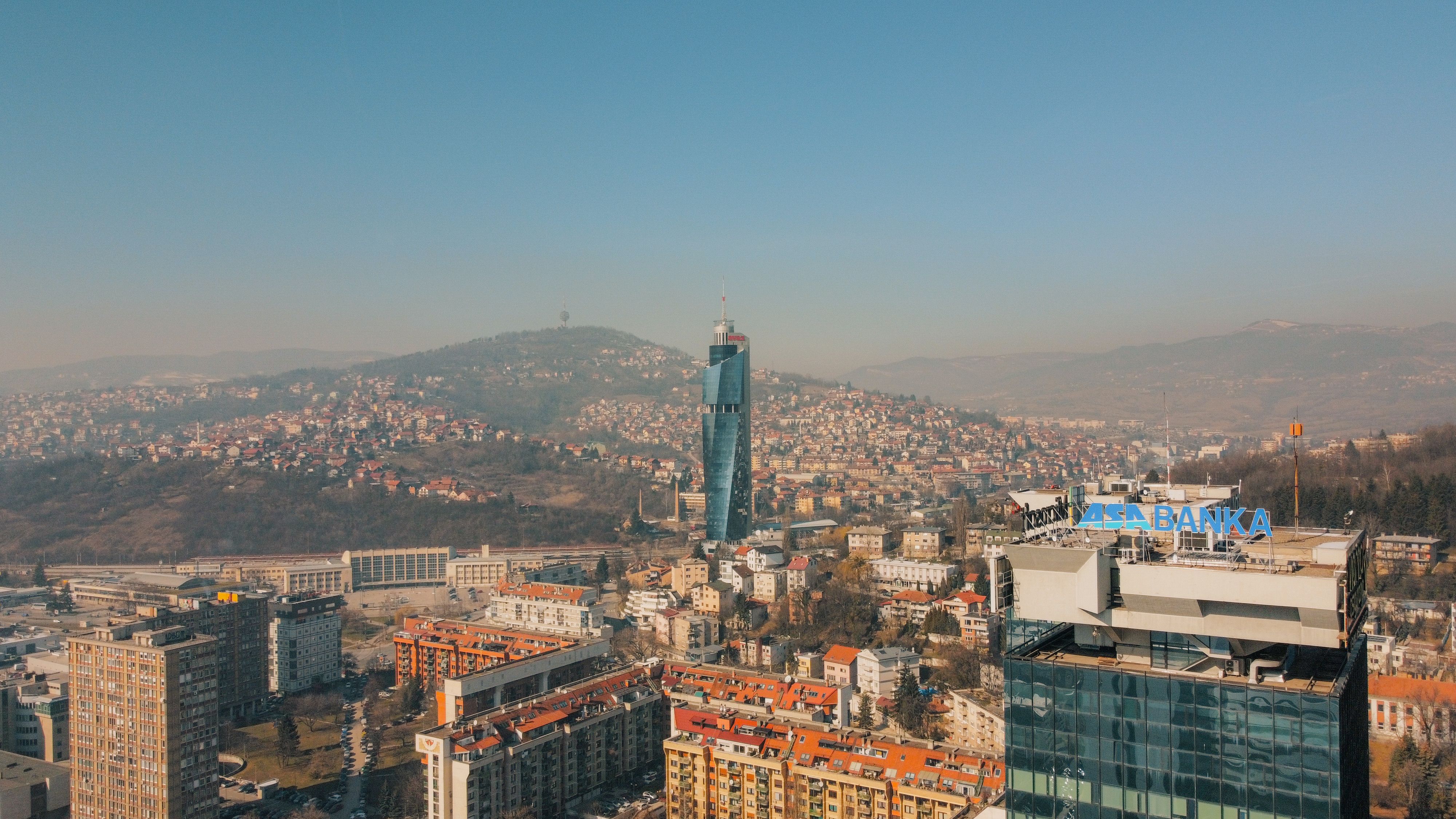
Sarajevo is a dramatic valley capital ringed by Olympic mountains, combining Ottoman and Austro-Hungarian heritage, café culture, affordability, skiing and hiking with enough everyday infrastructure for serious long stays.
Overview
Sarajevo is a dramatic valley capital ringed by Olympic mountains. What makes it unusually useful for DestinationFinderAI is that it is not just a place to visit: it has enough everyday infrastructure, neighborhoods, food, healthcare, transport and local identity to support a serious long stay. Its strongest lifestyle themes are Ottoman and Austro-Hungarian heritage, café culture, affordability, skiing and hiking. Those strengths show up in ordinary routines rather than only in postcard experiences, which is important for anyone comparing a two-week trip with a two-month stay or a permanent move. The best way to understand Sarajevo is neighborhood by neighborhood. The historic or central core usually offers the strongest walkability, restaurants and cultural access, while outer residential districts trade some convenience for quieter streets, newer housing or better access to nature. That makes housing choice a major fit variable. A visitor may be happy staying in the center, but a resident also needs groceries, pharmacies, reliable internet, practical transport, medical access and a tolerable commute to the airport or regional services. For remote workers and retirees, the question is less whether Sarajevo is attractive and more whether its daily systems match the household’s comfort level. The destination’s appeal is particularly strong for culture-focused retirees, value-seeking long-stay residents and remote workers who like mountains and history. The local climate and geography shape the rhythm of the year, and the city’s cultural identity gives it more depth than a generic resort. Food, markets, public spaces and regional excursions make it possible to build repeatable routines rather than simply consume attractions. In many cases, nearby mountains, coast, lakes, vineyards or national parks expand the lifestyle radius without requiring a second base. There are real tradeoffs. The main ones are winter inversions, complex bureaucracy, uneven sidewalks and limited direct long-haul flights. These are not reasons to reject the destination, but they are exactly the kind of friction that should be tested before relocation. Healthcare depth may differ sharply between routine and specialist care. Long-term housing can behave differently from short-stay rentals. Immigration, taxes and property rules operate independently, so a beautiful apartment or an easy tourist entry does not automatically create a viable residence strategy. A sensible trial should include normal weekday errands, evening mobility, grocery shopping, a medical or pharmacy check, several neighborhoods, and at least one period that is not peak tourist season. Someone considering Sarajevo for retirement or remote work should also verify building-level internet, summer/winter comfort, the practical need for a car, and how easily they can reach more advanced healthcare or a major airport. If those pieces work, Sarajevo offers a distinctive combination of place character and real-life functionality that can support vacation, slow travel, digital nomad life or a longer relocation.
Cost of living snapshot
2 budget bands
Executive summary
Estimated one-adult monthly cost of living: $1,360–$2,830 per month (USD).
One adult
$1,360–$2,830 per month (USD)
Couple — two adults sharing housing
$1,836–$4,104 per month (USD)
Estimated for two adults sharing one home. Actual costs vary by housing, lifestyle and healthcare needs.
Monthly cost breakdown
8 live categories
Dining
$180–$350 per month (USD)
Entertainment Fitness
$100–$250 per month (USD)
Groceries
$220–$380 per month (USD)
Healthcare
$80–$220 per month (USD)
Housing
$450–$850 per month (USD)
Internet Mobile
$30–$70 per month (USD)
Transport
$60–$180 per month (USD)
Utilities
$90–$180 per month (USD)
How the estimate is framed
Based on the destination's reported monthly cost-of-living range.
Media and atmosphere
4 curated assets
Destination guide
What you'll learn
What to know first
What makes it distinctive
Premium intelligence
Best for culture lovers and remote workers seeking strong value and mountain access.
Sarajevo is a dramatic valley capital ringed by Olympic mountains, combining Ottoman and Austro-Hungarian heritage, café culture, affordability, skiing and hiking with enough everyday infrastructure for serious long stays.
Neighborhood summary
Flagship neighborhood 1
Baščaršija / Stari Grad offers a distinct version of Sarajevo: more historic core than generic tourist base, and especially useful for walkability, culture and cafés. Walk it in the morning and evening before committing because street-level feel can change quickly.
Best for
walkability, culture and cafés
Overall vibe
It offers a clear local rhythm and strong daily-life texture.
Neighborhood resources
Best For
walkability, culture and cafés
Overall Vibe
It offers a clear local rhythm and strong daily-life texture.
Walkability
very high
Transit
high
Safety
medium-high
Housing
In Baščaršija / Stari Grad, expect Older apartments, historic buildings and infill housing dominate; building condition, stairs, noise and renovation quality can vary dramatically from one block to the next. For a long stay in Sarajevo, inspect the exact building for stairs/elevator access, insulation or cooling, street noise and the walk to groceries.
Pros
Strong fit for walkability, culture and cafés; clearer neighborhood identity than a generic city-wide average; useful for testing Sarajevo as a real base rather than only a visitor stop.
Cons
In Baščaršija / Stari Grad, Prime walkability comes with the highest exposure to visitor traffic, parking pressure, older-building quirks and, in some streets, late-night noise. That tradeoff matters most if your priorities are walkability, culture and cafés.
Neighborhood intelligence
Healthcare
Healthcare
Real persisted places tied to this neighborhood.
Neighborhood
Baščaršija / Stari Grad
Attractions & things to do
Attractions & things to do
Real persisted places tied to this neighborhood.
Neighborhood
Baščaršija / Stari Grad
Neighborhood
Baščaršija / Stari Grad
Outdoor recreation
Outdoor recreation
Real persisted places tied to this neighborhood.
Neighborhood
Baščaršija / Stari Grad
Family friendly
Family-friendly places
School choice in Sarajevo depends on language, admissions, location and whether the family wants the local public system or a private/international alternative.
Remote work
Remote-work-friendly spots
Walkability
Baščaršija, Ferhadija and the riverfront core are easy to cover on foot, with cafés, markets, pharmacies and museums close together. The tradeoff appears quickly outside the center: Sarajevo climbs into steep hillside neighborhoods where winter ice, uneven paving and elevation make a short map distance feel much longer.
How easily daily errands and neighborhood life can be handled on foot.
Transit
Sarajevo's tram spine is the practical backbone for east-west trips between the center, Marijin Dvor, the main station corridor and Ilidža, with buses and trolleybuses filling in other districts. Taxis are inexpensive by Western European standards, while a car is mainly useful for mountain days at Trebević, Bjelašnica or Jahorina rather than for routine central errands.
How well the area supports car-light routines and local travel.
Safety
In Sarajevo, everyday crime risk is neighborhood- and time-specific. Use normal urban precautions, keep valuables discreet in crowded areas and ask locals about the exact blocks you are considering.
How the area is perceived for daily calm and residential comfort.
Live neighborhood resources
Flagship neighborhood 2
If modern services and transit are high on the list, Marijin Dvor deserves a serious look in Sarajevo. The area's central urban feel can make it more livable for a resident than a postcard-famous district, but the exact building and block still matter.
Best for
modern services and transit
Overall vibe
It offers a clear local rhythm and strong daily-life texture.
Neighborhood resources
Best For
modern services and transit
Overall Vibe
It offers a clear local rhythm and strong daily-life texture.
Walkability
high
Transit
medium-high
Safety
medium-high
Housing
In Marijin Dvor, expect Residential stock ranges from local apartments to detached houses and newer developments; the exact street matters for noise, slope, transit and access to groceries. For a long stay in Sarajevo, inspect the exact building for stairs/elevator access, insulation or cooling, street noise and the walk to groceries.
Pros
Strong fit for modern services and transit; clearer neighborhood identity than a generic city-wide average; useful for testing Sarajevo as a real base rather than only a visitor stop.
Cons
In Marijin Dvor, Micro-location matters: the same district can shift quickly from convenient to car-dependent, steep, noisy or isolated. That tradeoff matters most if your priorities are modern services and transit.
Neighborhood intelligence
Parks & recreation
Parks & recreation
Real persisted places tied to this neighborhood.
Neighborhood
Marijin Dvor
Attractions & things to do
Attractions & things to do
Real persisted places tied to this neighborhood.
Neighborhood
Marijin Dvor
Neighborhood
Marijin Dvor
Services & government resources
Services & government resources
Real persisted places tied to this neighborhood.
Neighborhood
Marijin Dvor
Family friendly
Family-friendly places
School choice in Sarajevo depends on language, admissions, location and whether the family wants the local public system or a private/international alternative.
Remote work
Remote-work-friendly spots
Walkability
Baščaršija, Ferhadija and the riverfront core are easy to cover on foot, with cafés, markets, pharmacies and museums close together. The tradeoff appears quickly outside the center: Sarajevo climbs into steep hillside neighborhoods where winter ice, uneven paving and elevation make a short map distance feel much longer.
How easily daily errands and neighborhood life can be handled on foot.
Transit
Sarajevo's tram spine is the practical backbone for east-west trips between the center, Marijin Dvor, the main station corridor and Ilidža, with buses and trolleybuses filling in other districts. Taxis are inexpensive by Western European standards, while a car is mainly useful for mountain days at Trebević, Bjelašnica or Jahorina rather than for routine central errands.
How well the area supports car-light routines and local travel.
Safety
In Sarajevo, everyday crime risk is neighborhood- and time-specific. Use normal urban precautions, keep valuables discreet in crowded areas and ask locals about the exact blocks you are considering.
How the area is perceived for daily calm and residential comfort.
Live neighborhood resources
Flagship neighborhood 3
Grbavica offers a distinct version of Sarajevo: more residential urban than generic tourist base, and especially useful for local living and value. Walk it in the morning and evening before committing because street-level feel can change quickly.
Best for
local living and value
Overall vibe
It offers a clear local rhythm and strong daily-life texture.
Neighborhood resources
Best For
local living and value
Overall Vibe
It offers a clear local rhythm and strong daily-life texture.
Walkability
medium-high
Transit
medium
Safety
medium-high
Housing
In Grbavica, expect Predominantly residential apartments and houses with more everyday services and less visitor traffic than the historic core; exact stock varies by street and building age. For a long stay in Sarajevo, inspect the exact building for stairs/elevator access, insulation or cooling, street noise and the walk to groceries.
Pros
Strong fit for local living and value; clearer neighborhood identity than a generic city-wide average; useful for testing Sarajevo as a real base rather than only a visitor stop.
Cons
In Grbavica, The tradeoff for quieter residential living is usually less immediate access to headline sights and a greater reliance on transit, taxis or a car. That tradeoff matters most if your priorities are local living and value.
Neighborhood intelligence
Shopping
Shopping
Real persisted places tied to this neighborhood.
Neighborhood
Grbavica
Entertainment & nightlife
Entertainment & nightlife
Real persisted places tied to this neighborhood.
Neighborhood
Grbavica
Attractions & things to do
Attractions & things to do
Real persisted places tied to this neighborhood.
Neighborhood
Grbavica
Neighborhood
Grbavica
Family friendly
Family-friendly places
School choice in Sarajevo depends on language, admissions, location and whether the family wants the local public system or a private/international alternative.
Remote work
Remote-work-friendly spots
Walkability
Baščaršija, Ferhadija and the riverfront core are easy to cover on foot, with cafés, markets, pharmacies and museums close together. The tradeoff appears quickly outside the center: Sarajevo climbs into steep hillside neighborhoods where winter ice, uneven paving and elevation make a short map distance feel much longer.
How easily daily errands and neighborhood life can be handled on foot.
Transit
Sarajevo's tram spine is the practical backbone for east-west trips between the center, Marijin Dvor, the main station corridor and Ilidža, with buses and trolleybuses filling in other districts. Taxis are inexpensive by Western European standards, while a car is mainly useful for mountain days at Trebević, Bjelašnica or Jahorina rather than for routine central errands.
How well the area supports car-light routines and local travel.
Safety
In Sarajevo, everyday crime risk is neighborhood- and time-specific. Use normal urban precautions, keep valuables discreet in crowded areas and ask locals about the exact blocks you are considering.
How the area is perceived for daily calm and residential comfort.
Live neighborhood resources
Flagship neighborhood 4
Koševo / Mejtaš offers a distinct version of Sarajevo: more hillside residential than generic tourist base, and especially useful for views and central access. Walk it in the morning and evening before committing because street-level feel can change quickly.
Best for
views and central access
Overall vibe
It offers a clear local rhythm and strong daily-life texture.
Neighborhood resources
Best For
views and central access
Overall Vibe
It offers a clear local rhythm and strong daily-life texture.
Walkability
medium
Transit
medium
Safety
medium-high
Housing
In Koševo / Mejtaš, expect Residential stock ranges from local apartments to detached houses and newer developments; the exact street matters for noise, slope, transit and access to groceries. For a long stay in Sarajevo, inspect the exact building for stairs/elevator access, insulation or cooling, street noise and the walk to groceries.
Pros
Strong fit for views and central access; clearer neighborhood identity than a generic city-wide average; useful for testing Sarajevo as a real base rather than only a visitor stop.
Cons
In Koševo / Mejtaš, Micro-location matters: the same district can shift quickly from convenient to car-dependent, steep, noisy or isolated. That tradeoff matters most if your priorities are views and central access.
Neighborhood intelligence
Parks & recreation
Parks & recreation
Real persisted places tied to this neighborhood.
Neighborhood
Koševo / Mejtaš
Shopping
Shopping
Real persisted places tied to this neighborhood.
Neighborhood
Koševo / Mejtaš
Attractions & things to do
Attractions & things to do
Real persisted places tied to this neighborhood.
Neighborhood
Koševo / Mejtaš
Family friendly
Family-friendly places
School choice in Sarajevo depends on language, admissions, location and whether the family wants the local public system or a private/international alternative.
Remote work
Remote-work-friendly spots
Walkability
Baščaršija, Ferhadija and the riverfront core are easy to cover on foot, with cafés, markets, pharmacies and museums close together. The tradeoff appears quickly outside the center: Sarajevo climbs into steep hillside neighborhoods where winter ice, uneven paving and elevation make a short map distance feel much longer.
How easily daily errands and neighborhood life can be handled on foot.
Transit
Sarajevo's tram spine is the practical backbone for east-west trips between the center, Marijin Dvor, the main station corridor and Ilidža, with buses and trolleybuses filling in other districts. Taxis are inexpensive by Western European standards, while a car is mainly useful for mountain days at Trebević, Bjelašnica or Jahorina rather than for routine central errands.
How well the area supports car-light routines and local travel.
Safety
In Sarajevo, everyday crime risk is neighborhood- and time-specific. Use normal urban precautions, keep valuables discreet in crowded areas and ask locals about the exact blocks you are considering.
How the area is perceived for daily calm and residential comfort.
Live neighborhood resources
Destination highlights
Parks & recreation across Sarajevo
Real, verified Sarajevo places in this category.
Neighborhood
Sarajevo
Neighborhood
Sarajevo
Shopping across Sarajevo
Real, verified Sarajevo places in this category.
Neighborhood
Sarajevo
Neighborhood
Sarajevo
Healthcare across Sarajevo
Real, verified Sarajevo places in this category.
Neighborhood
Sarajevo
Neighborhood
Sarajevo
Entertainment & nightlife across Sarajevo
Real, verified Sarajevo places in this category.
Neighborhood
Sarajevo
Attractions & things to do across Sarajevo
Real, verified Sarajevo places in this category.
Neighborhood
Sarajevo
Neighborhood
Sarajevo
Neighborhood
Sarajevo
Neighborhood
Sarajevo
Neighborhood
Sarajevo
Neighborhood
Sarajevo
Neighborhood
Sarajevo
Neighborhood
Sarajevo
Outdoor recreation across Sarajevo
Real, verified Sarajevo places in this category.
Neighborhood
Sarajevo
Neighborhood
Sarajevo
Services & government resources across Sarajevo
Real, verified Sarajevo places in this category.
Neighborhood
Sarajevo
Maps and resources
Hotels
Vacation Rentals
Healthcare
Weather
Consulates
Social Discovery
Editorial overview
Movement
Sarajevo primary/regional airport access is the main air-access reference for Sarajevo. Check seasonal schedules before booking a long stay, because route depth can change significantly outside peak periods.
Seasonal living
Continental climate with warm summers and cold snowy winters
Living there
Best for culture lovers and remote workers seeking strong value and mountain access.
Morning: Sarajevo is a dramatic valley capital ringed by Olympic mountains, combining Ottoman and Austro-Hungarian heritage, café culture, affordability, skiing and hiking with enough everyday infrastructure for serious long stays. Evening: Sarajevo is a dramatic valley capital ringed by Olympic mountains. What makes it unusually useful for DestinationFinderAI is that it is not just a place to visit: it has enough everyday infrastructure, neighborhoods, food, healthcare, transport and local identity to support a serious long stay. Its strongest lifestyle themes are Ottoman and Austro-Hungarian heritage, café culture, affordability, skiing and hiking. Those strengths show up in ordinary routines rather than only in postcard experiences, which is important for anyone comparing a two-week trip with a two-month stay or a permanent move. The best way to understand Sarajevo is neighborhood by neighborhood. The historic or central core usually offers the strongest walkability, restaurants and cultural access, while outer residential districts trade some convenience for quieter streets, newer housing or better access to nature. That makes housing choice a major fit variable. A visitor may be happy staying in the center, but a resident also needs groceries, pharmacies, reliable internet, practical transport, medical access and a tolerable commute to the airport or regional services. For remote workers and retirees, the question is less whether Sarajevo is attractive and more whether its daily systems match the household’s comfort level. The destination’s appeal is particularly strong for culture-focused retirees, value-seeking long-stay residents and remote workers who like mountains and history. The local climate and geography shape the rhythm of the year, and the city’s cultural identity gives it more depth than a generic resort. Food, markets, public spaces and regional excursions make it possible to build repeatable routines rather than simply consume attractions. In many cases, nearby mountains, coast, lakes, vineyards or national parks expand the lifestyle radius without requiring a second base. There are real tradeoffs. The main ones are winter inversions, complex bureaucracy, uneven sidewalks and limited direct long-haul flights. These are not reasons to reject the destination, but they are exactly the kind of friction that should be tested before relocation. Healthcare depth may differ sharply between routine and specialist care. Long-term housing can behave differently from short-stay rentals. Immigration, taxes and property rules operate independently, so a beautiful apartment or an easy tourist entry does not automatically create a viable residence strategy. A sensible trial should include normal weekday errands, evening mobility, grocery shopping, a medical or pharmacy check, several neighborhoods, and at least one period that is not peak tourist season. Someone considering Sarajevo for retirement or remote work should also verify building-level internet, summer/winter comfort, the practical need for a car, and how easily they can reach more advanced healthcare or a major airport. If those pieces work, Sarajevo offers a distinctive combination of place character and real-life functionality that can support vacation, slow travel, digital nomad life or a longer relocation. Seasonal rhythm: Continental climate with warm summers and cold snowy winters
Weather
Continental climate with warm summers and cold snowy winters
Movement
Sarajevo primary/regional airport access is the main air-access reference for Sarajevo. Check seasonal schedules before booking a long stay, because route depth can change significantly outside peak periods.
Airport access: Regional and international access
Wellness
For routine and specialist care, the main anchors are the Clinical Center University of Sarajevo and General Hospital Prim. Dr. Abdulah Nakaš; English is more likely in private clinics and among younger clinicians than in administrative settings.
Insurance and access: For a first long stay in Sarajevo, international or private cover can reduce uncertainty around private hospitals, referrals and evacuation or transfer if higher-complexity care is needed.
Retirement
Sarajevo suits active retirees who value culture, mountains and lower day-to-day costs, but winter air quality, stairs, specialist-care planning and residence bureaucracy matter more than the tourist experience suggests.
Who should not: Sarajevo is a dramatic valley capital ringed by Olympic mountains. What makes it unusually useful for DestinationFinderAI is that it is not just a place to visit: it has enough everyday infrastructure, neighborhoods, food, healthcare, transport and local identity to support a serious long stay. Its strongest lifestyle themes are Ottoman and Austro-Hungarian heritage, café culture, affordability, skiing and hiking. Those strengths show up in ordinary routines rather than only in postcard experiences, which is important for anyone comparing a two-week trip with a two-month stay or a permanent move. The best way to understand Sarajevo is neighborhood by neighborhood. The historic or central core usually offers the strongest walkability, restaurants and cultural access, while outer residential districts trade some convenience for quieter streets, newer housing or better access to nature. That makes housing choice a major fit variable. A visitor may be happy staying in the center, but a resident also needs groceries, pharmacies, reliable internet, practical transport, medical access and a tolerable commute to the airport or regional services. For remote workers and retirees, the question is less whether Sarajevo is attractive and more whether its daily systems match the household’s comfort level. The destination’s appeal is particularly strong for culture-focused retirees, value-seeking long-stay residents and remote workers who like mountains and history. The local climate and geography shape the rhythm of the year, and the city’s cultural identity gives it more depth than a generic resort. Food, markets, public spaces and regional excursions make it possible to build repeatable routines rather than simply consume attractions. In many cases, nearby mountains, coast, lakes, vineyards or national parks expand the lifestyle radius without requiring a second base. There are real tradeoffs. The main ones are winter inversions, complex bureaucracy, uneven sidewalks and limited direct long-haul flights. These are not reasons to reject the destination, but they are exactly the kind of friction that should be tested before relocation. Healthcare depth may differ sharply between routine and specialist care. Long-term housing can behave differently from short-stay rentals. Immigration, taxes and property rules operate independently, so a beautiful apartment or an easy tourist entry does not automatically create a viable residence strategy. A sensible trial should include normal weekday errands, evening mobility, grocery shopping, a medical or pharmacy check, several neighborhoods, and at least one period that is not peak tourist season. Someone considering Sarajevo for retirement or remote work should also verify building-level internet, summer/winter comfort, the practical need for a car, and how easily they can reach more advanced healthcare or a major airport. If those pieces work, Sarajevo offers a distinctive combination of place character and real-life functionality that can support vacation, slow travel, digital nomad life or a longer relocation. Best neighborhoods: Baščaršija / Stari Grad, Marijin Dvor, Grbavica, Koševo / Mejtaš, Ilidža Climate considerations: Continental climate with warm summers and cold snowy winters Taxes: Estimated one-adult monthly cost of living: $1,360–$2,830 per month (USD).
Family
School choice in Sarajevo depends on language, admissions, location and whether the family wants the local public system or a private/international alternative.
Activities: Best for culture lovers and remote workers seeking strong value and mountain access. Neighborhood recommendations: Baščaršija / Stari Grad, Marijin Dvor, Grbavica, Koševo / Mejtaš, Ilidža
Remote work
Urban fiber and mobile coverage are generally strong enough for remote work, but older apartment buildings can vary sharply by provider and wiring.
Coworking: Best for culture lovers and remote workers seeking strong value and mountain access. Visa: Requirements vary by citizenship Monthly costs: One adult: $1,360–$2,830 per month (USD) • Couple — two adults sharing housing: $1,836–$4,104 per month (USD) Best neighborhoods: Baščaršija / Stari Grad, Marijin Dvor, Grbavica, Koševo / Mejtaš, Ilidža
Personal safety
Walkability and terrain
Daily errands and convenience
Internet and remote-work reliability
Language ease
Social integration and community character
LGBTQ+ considerations
Family
Pets
Environmental and natural-hazard risks
Crowds and seasonality
Who tends to love or struggle with this destination
Real destination-level research
What day-to-day life, the surrounding landscape, and recreation genuinely look like here - based on verified research, never a generic checklist.
Coffee & Cafés
Bosnian coffee is part of the city's daily social rhythm, especially around Baščaršija and the lanes running toward Ferhadija. A long stay feels more local once you have a regular kafana or modern café where staff recognize you, because lingering over coffee is normal rather than treated as table turnover.
Community
Café culture is genuinely social here: repeated contact happens in neighborhood coffeehouses, markets, sports clubs and cultural venues rather than through a large expat bubble.
Culture & Museums
Sarajevo's cultural depth is unusually dense for its size: the 1878–1918 museum, City Hall, Gazi Husrev-beg complex and war-history institutions sit within a walkable historic core. The city's Ottoman, Austro-Hungarian, Yugoslav and postwar layers make repeat visits rewarding rather than museum-going feeling like a one-day checklist.
Named places
Dining
Everyday eating ranges from ćevapi, burek and grilled meats in the old town to bakeries, market produce and more contemporary restaurants around Marijin Dvor. Markale Market is especially useful for judging whether Sarajevo works as a home base because it connects the visitor food scene with normal household shopping.
Groceries
Sarajevo combines modern supermarkets with produce markets such as Markale and neighborhood pekara stops, so central residents can shop frequently without stocking up by car. In hillside districts, the quality of the nearest small market matters more, particularly in winter when steep streets make carrying groceries less trivial.
Named places
Healthcare
For routine and specialist care, the main anchors are the Clinical Center University of Sarajevo and General Hospital Prim. Dr. Abdulah Nakaš; English is more likely in private clinics and among younger clinicians than in administrative settings.
Internet / Remote Work
Urban fiber and mobile coverage are generally strong enough for remote work, but older apartment buildings can vary sharply by provider and wiring.
Language
Bosnian/Croatian/Serbian dominates daily life. English is common in tourism and among many younger residents, but paperwork, healthcare administration and trades are easier with local-language help.
Natural Setting
Winter temperature inversions can trap particulate pollution in the valley, while spring through autumn is considerably easier for outdoor life; Trebević, Igman and Bjelašnica give the city unusual access to mountain air and trails.
Named places
Parks / Outdoors
Trebević is the city's standout outdoor asset, reachable by cable car for forest walks, viewpoints and the old Olympic bobsled track, while Vrelo Bosne and Ilidža provide flatter green space west of the center. This is one of Sarajevo's strongest lifestyle advantages: serious mountain access begins within the urban fabric rather than after a long drive.
Settlement Type
a compact Balkan capital in a steep Miljacka valley, with Ottoman lanes, Austro-Hungarian boulevards and ski mountains almost on the doorstep
Transit / Mobility
Sarajevo's tram spine is the practical backbone for east-west trips between the center, Marijin Dvor, the main station corridor and Ilidža, with buses and trolleybuses filling in other districts. Taxis are inexpensive by Western European standards, while a car is mainly useful for mountain days at Trebević, Bjelašnica or Jahorina rather than for routine central errands.
Named places
Walkability
Baščaršija, Ferhadija and the riverfront core are easy to cover on foot, with cafés, markets, pharmacies and museums close together. The tradeoff appears quickly outside the center: Sarajevo climbs into steep hillside neighborhoods where winter ice, uneven paving and elevation make a short map distance feel much longer.
Climate (monthly)