Lifestyle at a glance
Best for wine lovers, remote workers and residents seeking value and scenery.

DestinationFinderAI premium guide
Argentina
Mendoza, Argentina
A leafy Andean city built around wine, wide boulevards, parks and café culture, with strong everyday services and easy access to Argentina’s premier vineyard region.
Overview
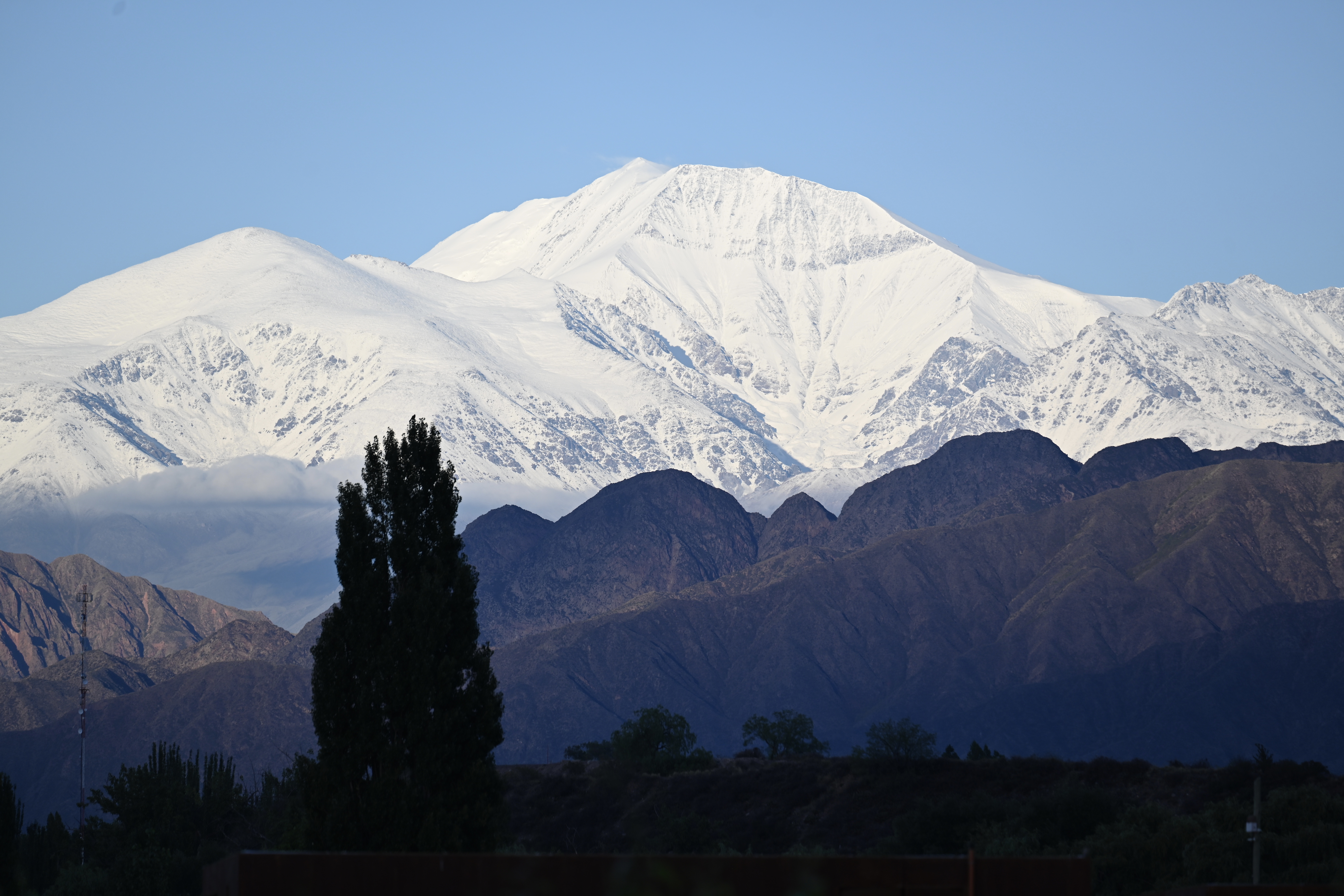
Mendoza is one of Argentina’s most distinctive inland cities: dry, sunny and tree-lined, with irrigation channels running beside broad sidewalks and the Andes forming a dramatic western horizon. The city itself is relatively compact, while the larger metropolitan area spreads into Godoy Cruz, Guaymallén, Las Heras, Maipú and Luján de Cuyo. That urban geography matters for relocation because the central municipality delivers walkability and civic amenities, while much of the wine-country lifestyle that makes Mendoza famous sits outside the core. The city center is organized around plazas, cafés, restaurants and commercial streets, with the Quinta Sección and Arístides Villanueva area adding nightlife and a younger social scene. Parque General San Martín is a major quality-of-life asset, offering hundreds of hectares of green space, sports facilities and access toward the foothills. Residential districts south and west of the center can feel quieter and greener, though car use becomes more useful as daily life spreads into Greater Mendoza. Mendoza’s biggest lifestyle advantage is variety. It works as a normal city during the week, then gives residents access to wineries, mountain drives, rafting, hiking and high-Andes scenery on weekends. The restaurant scene is stronger than the city’s size might suggest because wine tourism attracts chefs, visitors and investment. The airport offers domestic and regional connections, while the road to Santiago provides one of South America’s most memorable international land crossings when weather permits. The challenges are mostly economic and climatic. Argentina’s inflation and exchange-rate shifts complicate budgets, leases and imported goods. Summers are hot and dry, and water scarcity is a permanent environmental concern in a desert city dependent on Andean snowmelt. Zonda wind events can bring sudden heat, dust and discomfort. Specialist healthcare is available in the metropolitan area, but quality varies by public/private provider and insurance status. For retirees and relocators, Mendoza can offer a compelling balance of urban infrastructure and outdoor lifestyle at a cost that has historically been lower than many comparable wine regions abroad. Spanish is important for long-term integration, especially for government, healthcare and contracts. The city is also a better fit for someone who likes an active daytime social culture than for someone seeking a coastal or highly international resort environment. A realistic relocation trial should include both the hot summer period and a cooler winter stay, plus time in central Mendoza and surrounding wine-country municipalities. The central question is whether the household wants a walkable city base with access to vineyards and mountains, or whether it actually wants to live closer to the wineries outside the core. Mendoza succeeds when those preferences are clear.
Cost of living snapshot
2 budget bands
Executive summary
Estimated one-adult monthly cost of living: $1,850–$2,600 per month (USD).
One adult
$1,850–$2,600 per month (USD)
Couple — two adults sharing housing
$2,700–$3,600 per month (USD)
Estimated for two adults sharing one home. Actual costs vary by housing, lifestyle and healthcare needs.
Monthly cost breakdown
8 live categories
Dining
$200–$330 per month (USD)
Entertainment Fitness
$120–$250 per month (USD)
Groceries
$260–$420 per month (USD)
Healthcare
$80–$200 per month (USD)
Housing
$650–$1,050 per month (USD)
Internet Mobile
$40–$70 per month (USD)
Transport
$70–$180 per month (USD)
Utilities
$120–$220 per month (USD)
How the estimate is framed
Based on the destination's reported monthly cost-of-living range.
Media and atmosphere
4 curated assets
Destination guide
What you'll learn
What to know first
What makes it distinctive
Premium intelligence
Best for wine lovers, remote workers and residents seeking value and scenery.
A leafy Andean city built around wine, wide boulevards, parks and café culture, with strong everyday services and easy access to Argentina’s premier vineyard region.
Neighborhood summary
Flagship neighborhood 1
Grid-based downtown around Plaza Independencia with shops, cafés, offices and transit.
Best for
walkability, city services
Overall vibe
It offers a clear local rhythm and strong daily-life texture.
Neighborhood resources
Best For
walkability, city services
Overall Vibe
It offers a clear local rhythm and strong daily-life texture.
Walkability
high
Transit
high
Safety
medium
Housing
Apartments, older houses, mixed-use buildings.
Pros
Walkable, services, nightlife
Cons
Traffic, heat, older stock
Neighborhood intelligence
Restaurants
Restaurants
Real persisted places tied to this neighborhood.
Neighborhood
Centro
Neighborhood
Centro
Shopping
Shopping
Real persisted places tied to this neighborhood.
Neighborhood
Centro
Healthcare
Healthcare
Real persisted places tied to this neighborhood.
Neighborhood
Centro
Entertainment & nightlife
Entertainment & nightlife
Real persisted places tied to this neighborhood.
Neighborhood
Centro
Neighborhood
Centro
Attractions & things to do
Attractions & things to do
Real persisted places tied to this neighborhood.
Neighborhood
Centro
Neighborhood
Centro
Services & government resources
Services & government resources
Real persisted places tied to this neighborhood.
Neighborhood
Centro
Family friendly
Family-friendly places
Mendoza has local public/private schooling options appropriate to its country; families should verify catchments, language and admissions before housing decisions.
Remote work
Remote-work-friendly spots
Walkability
Central Mendoza, Quinta Sección and the plaza grid are highly walkable; metropolitan wine districts require a car.
How easily daily errands and neighborhood life can be handled on foot.
Transit
Buses and Metrotranvía cover the metro, while cycling infrastructure is improving; wine-country living remains car-oriented.
How well the area supports car-light routines and local travel.
Safety
Extreme summer heat and Zonda wind events can bring sudden hot, dry, dusty conditions.
How the area is perceived for daily calm and residential comfort.
Live neighborhood resources
Flagship neighborhood 2
Popular residential district between the center and Parque San Martín, close to Arístides Villanueva dining.
Best for
cafés, park access
Overall vibe
It offers a clear local rhythm and strong daily-life texture.
Neighborhood resources
Best For
cafés, park access
Overall Vibe
It offers a clear local rhythm and strong daily-life texture.
Walkability
high
Transit
medium-high
Safety
medium-high
Housing
Apartments, townhouses and mature homes.
Pros
Dining, park, lively streets
Cons
Nightlife noise near Arístides
Neighborhood intelligence
Restaurants
Restaurants
Real persisted places tied to this neighborhood.
Neighborhood
Quinta Sección
Coffee
Coffee
Real persisted places tied to this neighborhood.
Neighborhood
Quinta Sección
Entertainment & nightlife
Entertainment & nightlife
Real persisted places tied to this neighborhood.
Neighborhood
Quinta Sección
Family friendly
Family-friendly places
Mendoza has local public/private schooling options appropriate to its country; families should verify catchments, language and admissions before housing decisions.
Remote work
Remote-work-friendly spots
Walkability
Central Mendoza, Quinta Sección and the plaza grid are highly walkable; metropolitan wine districts require a car.
How easily daily errands and neighborhood life can be handled on foot.
Transit
Buses and Metrotranvía cover the metro, while cycling infrastructure is improving; wine-country living remains car-oriented.
How well the area supports car-light routines and local travel.
Safety
Extreme summer heat and Zonda wind events can bring sudden hot, dry, dusty conditions.
How the area is perceived for daily calm and residential comfort.
Live neighborhood resources
Flagship neighborhood 3
Established neighborhood north-west of the center with quieter streets and good access to shops and transit.
Best for
local living, value
Overall vibe
It offers a clear local rhythm and strong daily-life texture.
Neighborhood resources
Best For
local living, value
Overall Vibe
It offers a clear local rhythm and strong daily-life texture.
Walkability
medium-high
Transit
medium-high
Safety
medium
Housing
Low-rise apartments and family homes.
Pros
Local feel, value, central access
Cons
Less polished than Quinta
Neighborhood intelligence
Family friendly
Family-friendly places
Mendoza has local public/private schooling options appropriate to its country; families should verify catchments, language and admissions before housing decisions.
Remote work
Remote-work-friendly spots
Walkability
Central Mendoza, Quinta Sección and the plaza grid are highly walkable; metropolitan wine districts require a car.
How easily daily errands and neighborhood life can be handled on foot.
Transit
Buses and Metrotranvía cover the metro, while cycling infrastructure is improving; wine-country living remains car-oriented.
How well the area supports car-light routines and local travel.
Safety
Extreme summer heat and Zonda wind events can bring sudden hot, dry, dusty conditions.
How the area is perceived for daily calm and residential comfort.
Live neighborhood resources
Flagship neighborhood 4
Green established area south of center near major roads and services.
Best for
quiet, mature households
Overall vibe
It offers a clear local rhythm and strong daily-life texture.
Neighborhood resources
Best For
quiet, mature households
Overall Vibe
It offers a clear local rhythm and strong daily-life texture.
Walkability
medium
Transit
medium
Safety
medium-high
Housing
Larger apartments, houses and duplexes.
Pros
Quiet, established, convenient
Cons
Car useful for some errands
Neighborhood intelligence
Shopping
Shopping
Real persisted places tied to this neighborhood.
Neighborhood
Bombal
Golf
Golf
Real persisted places tied to this neighborhood.
Neighborhood
Bombal
Healthcare
Healthcare
Real persisted places tied to this neighborhood.
Neighborhood
Bombal
Family friendly
Family-friendly places
Mendoza has local public/private schooling options appropriate to its country; families should verify catchments, language and admissions before housing decisions.
Remote work
Remote-work-friendly spots
Walkability
Central Mendoza, Quinta Sección and the plaza grid are highly walkable; metropolitan wine districts require a car.
How easily daily errands and neighborhood life can be handled on foot.
Transit
Buses and Metrotranvía cover the metro, while cycling infrastructure is improving; wine-country living remains car-oriented.
How well the area supports car-light routines and local travel.
Safety
Extreme summer heat and Zonda wind events can bring sudden hot, dry, dusty conditions.
How the area is perceived for daily calm and residential comfort.
Live neighborhood resources
Destination highlights
Restaurants across Mendoza
Real, verified Mendoza places in this category.
Neighborhood
Mendoza
Neighborhood
Mendoza
Neighborhood
Mendoza
Coffee across Mendoza
Real, verified Mendoza places in this category.
Neighborhood
Mendoza
Parks & recreation across Mendoza
Real, verified Mendoza places in this category.
Neighborhood
Mendoza
Neighborhood
Mendoza
Shopping across Mendoza
Real, verified Mendoza places in this category.
Neighborhood
Mendoza
Neighborhood
Mendoza
Golf across Mendoza
Real, verified Mendoza places in this category.
Neighborhood
Mendoza
Healthcare across Mendoza
Real, verified Mendoza places in this category.
Neighborhood
Mendoza
Neighborhood
Mendoza
Entertainment & nightlife across Mendoza
Real, verified Mendoza places in this category.
Neighborhood
Mendoza
Neighborhood
Mendoza
Neighborhood
Mendoza
Attractions & things to do across Mendoza
Real, verified Mendoza places in this category.
Neighborhood
Mendoza
Neighborhood
Mendoza
Neighborhood
Mendoza
Services & government resources across Mendoza
Real, verified Mendoza places in this category.
Neighborhood
Mendoza
Maps and resources
Hotels
Vacation Rentals
Transportation
Weather
Restaurants
Museums
Nightlife
Consulates
Social Discovery
Editorial overview
Movement
Regional airport with domestic and international links including Santiago/Lima/seasonal routes.
Seasonal living
Semi-arid climate with hot summers, cool winters and abundant sun
Living there
Best for wine lovers, remote workers and residents seeking value and scenery.
Morning: A leafy Andean city built around wine, wide boulevards, parks and café culture, with strong everyday services and easy access to Argentina’s premier vineyard region. Evening: Mendoza is one of Argentina’s most distinctive inland cities: dry, sunny and tree-lined, with irrigation channels running beside broad sidewalks and the Andes forming a dramatic western horizon. The city itself is relatively compact, while the larger metropolitan area spreads into Godoy Cruz, Guaymallén, Las Heras, Maipú and Luján de Cuyo. That urban geography matters for relocation because the central municipality delivers walkability and civic amenities, while much of the wine-country lifestyle that makes Mendoza famous sits outside the core. The city center is organized around plazas, cafés, restaurants and commercial streets, with the Quinta Sección and Arístides Villanueva area adding nightlife and a younger social scene. Parque General San Martín is a major quality-of-life asset, offering hundreds of hectares of green space, sports facilities and access toward the foothills. Residential districts south and west of the center can feel quieter and greener, though car use becomes more useful as daily life spreads into Greater Mendoza. Mendoza’s biggest lifestyle advantage is variety. It works as a normal city during the week, then gives residents access to wineries, mountain drives, rafting, hiking and high-Andes scenery on weekends. The restaurant scene is stronger than the city’s size might suggest because wine tourism attracts chefs, visitors and investment. The airport offers domestic and regional connections, while the road to Santiago provides one of South America’s most memorable international land crossings when weather permits. The challenges are mostly economic and climatic. Argentina’s inflation and exchange-rate shifts complicate budgets, leases and imported goods. Summers are hot and dry, and water scarcity is a permanent environmental concern in a desert city dependent on Andean snowmelt. Zonda wind events can bring sudden heat, dust and discomfort. Specialist healthcare is available in the metropolitan area, but quality varies by public/private provider and insurance status. For retirees and relocators, Mendoza can offer a compelling balance of urban infrastructure and outdoor lifestyle at a cost that has historically been lower than many comparable wine regions abroad. Spanish is important for long-term integration, especially for government, healthcare and contracts. The city is also a better fit for someone who likes an active daytime social culture than for someone seeking a coastal or highly international resort environment. A realistic relocation trial should include both the hot summer period and a cooler winter stay, plus time in central Mendoza and surrounding wine-country municipalities. The central question is whether the household wants a walkable city base with access to vineyards and mountains, or whether it actually wants to live closer to the wineries outside the core. Mendoza succeeds when those preferences are clear. Seasonal rhythm: Semi-arid climate with hot summers, cool winters and abundant sun
Weather
Semi-arid climate with hot summers, cool winters and abundant sun
Movement
Regional airport with domestic and international links including Santiago/Lima/seasonal routes.
Airport access: Regional and international access
Wellness
Mendoza is a provincial healthcare center with large public hospitals, university-linked services and a significant private sector.
Insurance and access: Private or international coverage can provide more predictable specialist access.
Retirement
Strong retirement lifestyle for wine/outdoors lovers who can manage currency volatility and Spanish.
Who should not: Mendoza is one of Argentina’s most distinctive inland cities: dry, sunny and tree-lined, with irrigation channels running beside broad sidewalks and the Andes forming a dramatic western horizon. The city itself is relatively compact, while the larger metropolitan area spreads into Godoy Cruz, Guaymallén, Las Heras, Maipú and Luján de Cuyo. That urban geography matters for relocation because the central municipality delivers walkability and civic amenities, while much of the wine-country lifestyle that makes Mendoza famous sits outside the core. The city center is organized around plazas, cafés, restaurants and commercial streets, with the Quinta Sección and Arístides Villanueva area adding nightlife and a younger social scene. Parque General San Martín is a major quality-of-life asset, offering hundreds of hectares of green space, sports facilities and access toward the foothills. Residential districts south and west of the center can feel quieter and greener, though car use becomes more useful as daily life spreads into Greater Mendoza. Mendoza’s biggest lifestyle advantage is variety. It works as a normal city during the week, then gives residents access to wineries, mountain drives, rafting, hiking and high-Andes scenery on weekends. The restaurant scene is stronger than the city’s size might suggest because wine tourism attracts chefs, visitors and investment. The airport offers domestic and regional connections, while the road to Santiago provides one of South America’s most memorable international land crossings when weather permits. The challenges are mostly economic and climatic. Argentina’s inflation and exchange-rate shifts complicate budgets, leases and imported goods. Summers are hot and dry, and water scarcity is a permanent environmental concern in a desert city dependent on Andean snowmelt. Zonda wind events can bring sudden heat, dust and discomfort. Specialist healthcare is available in the metropolitan area, but quality varies by public/private provider and insurance status. For retirees and relocators, Mendoza can offer a compelling balance of urban infrastructure and outdoor lifestyle at a cost that has historically been lower than many comparable wine regions abroad. Spanish is important for long-term integration, especially for government, healthcare and contracts. The city is also a better fit for someone who likes an active daytime social culture than for someone seeking a coastal or highly international resort environment. A realistic relocation trial should include both the hot summer period and a cooler winter stay, plus time in central Mendoza and surrounding wine-country municipalities. The central question is whether the household wants a walkable city base with access to vineyards and mountains, or whether it actually wants to live closer to the wineries outside the core. Mendoza succeeds when those preferences are clear. Best neighborhoods: Centro, Quinta Sección, Sexta Sección, Bombal, Parque / Residencial Oeste Climate considerations: Semi-arid climate with hot summers, cool winters and abundant sun Taxes: Estimated one-adult monthly cost of living: $1,850–$2,600 per month (USD).
Family
Mendoza has local public/private schooling options appropriate to its country; families should verify catchments, language and admissions before housing decisions.
Activities: Best for wine lovers, remote workers and residents seeking value and scenery. Neighborhood recommendations: Centro, Quinta Sección, Sexta Sección, Bombal, Parque / Residencial Oeste
Remote work
Strong urban remote-work practicality; apartment/building quality matters.
Coworking: Best for wine lovers, remote workers and residents seeking value and scenery. Visa: Requirements vary by citizenship Monthly costs: One adult: $1,850–$2,600 per month (USD) • Couple — two adults sharing housing: $2,700–$3,600 per month (USD) Best neighborhoods: Centro, Quinta Sección, Sexta Sección, Bombal, Parque / Residencial Oeste
Personal safety
Walkability and terrain
Daily errands and convenience
Internet and remote-work reliability
Language ease
Social integration and community character
LGBTQ+ considerations
Family
Pets
Environmental and natural-hazard risks
Crowds and seasonality
Who tends to love or struggle with this destination
Real destination-level research
What day-to-day life, the surrounding landscape, and recreation genuinely look like here - based on verified research, never a generic checklist.
Coffee
Dense central café culture supports long lunches, coffee meetings and outdoor seating under the tree canopy.
Named places
Community
Wine, university, outdoor and professional communities create multiple social entry points beyond tourism.
Culture Museums
Museums, theaters, Vendimia programming and San Martín heritage give the city a strong local cultural identity.
Named places
Dining
A sophisticated wine-driven restaurant scene combines Argentine cooking with winery tourism and chef-led dining.
Named places
Grocery
Supermarkets, produce markets and specialty shops are plentiful across the urban core and metropolitan area.
Named places
Healthcare
As a provincial capital, Mendoza offers major public and private hospitals and specialist care within the metro area.
Named places
Internet
Urban broadband and mobile networks generally support remote work; building-level quality should still be verified.
Language
Spanish is the operating language for daily life; English is more common in wine tourism and hospitality than in government.
Natural Setting
Arid oasis city shaded by irrigated trees, with Andean foothills and high mountains dominating the western horizon.
Named places
Parks Gardens
Parque General San Martín and the city plaza network provide unusually generous green space for an arid city.
Settlement Type
Medium-sized provincial capital and wine-region gateway with a normal urban economy beyond tourism.
Shopping Markets
Mercado Central, downtown retail and suburban malls cover both local food and conventional shopping.
Transit
Buses and Metrotranvía cover the metro, while cycling infrastructure is improving; wine-country living remains car-oriented.
Named places
Walkability
Central Mendoza, Quinta Sección and the plaza grid are highly walkable; metropolitan wine districts require a car.
Climate (monthly)