Lifestyle at a glance
Best for residents and nature lovers seeking affordable, easygoing city life.

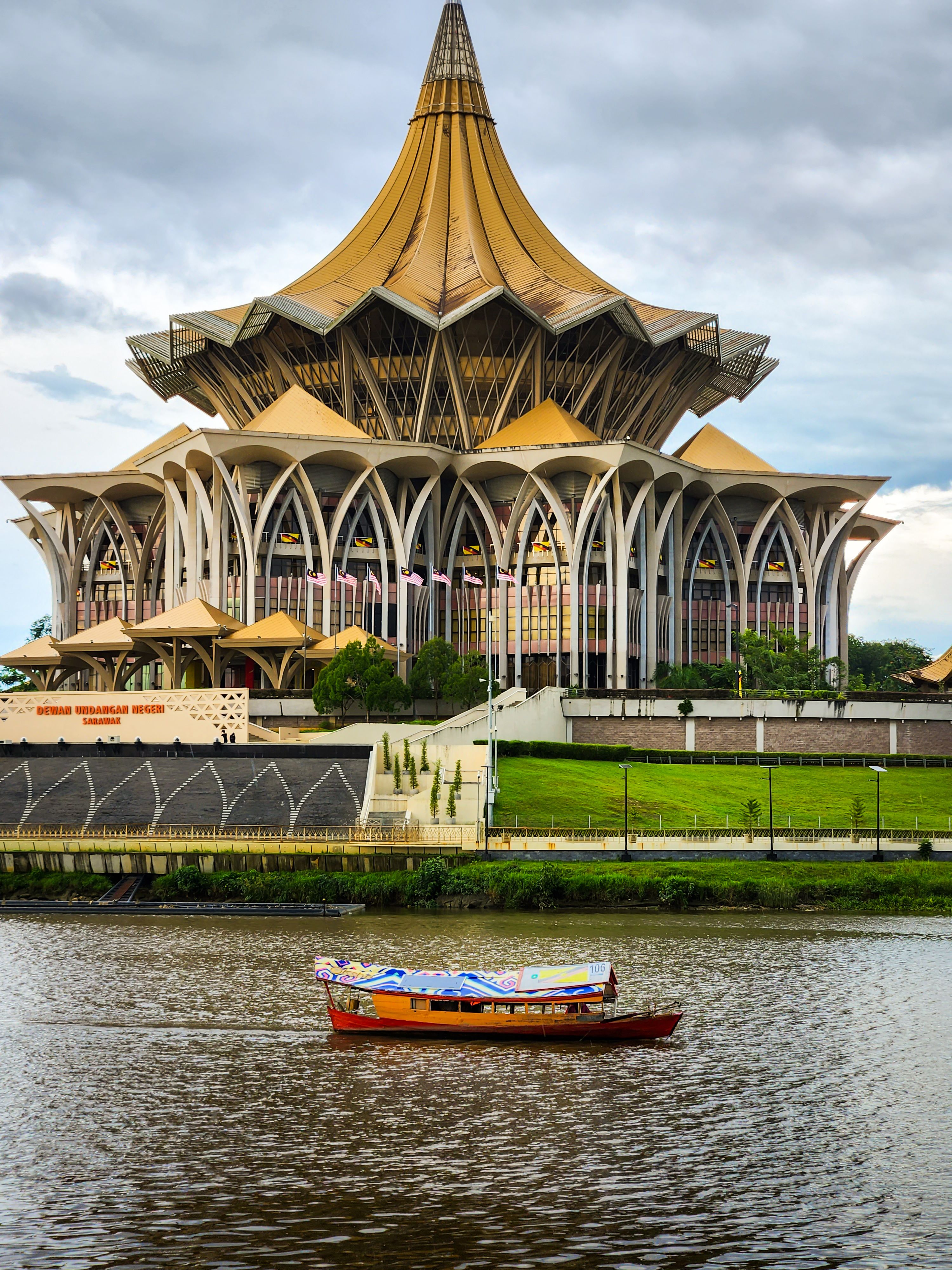
DestinationFinderAI premium guide
Malaysia
Kuching, Malaysia
Kuching is a relaxed Borneo capital on the Sarawak River with rainforests and wildlife close by, combining food, English usability, healthcare, value, cultural mix and access to national parks with enough everyday infrastructure for serious long stays.
Overview
Kuching is a relaxed Borneo capital on the Sarawak River with rainforests and wildlife close by. What makes it unusually useful for DestinationFinderAI is that it is not just a place to visit: it has enough everyday infrastructure, neighborhoods, food, healthcare, transport and local identity to support a serious long stay. Its strongest lifestyle themes are food, English usability, healthcare, value, cultural mix and access to national parks. Those strengths show up in ordinary routines rather than only in postcard experiences, which is important for anyone comparing a two-week trip with a two-month stay or a permanent move. The best way to understand Kuching is neighborhood by neighborhood. The historic or central core usually offers the strongest walkability, restaurants and cultural access, while outer residential districts trade some convenience for quieter streets, newer housing or better access to nature. That makes housing choice a major fit variable. A visitor may be happy staying in the center, but a resident also needs groceries, pharmacies, reliable internet, practical transport, medical access and a tolerable commute to the airport or regional services. For remote workers and retirees, the question is less whether Kuching is attractive and more whether its daily systems match the household’s comfort level. The destination’s appeal is particularly strong for digital nomads, retirees and long-stay travelers who want tropical nature with city services. The local climate and geography shape the rhythm of the year, and the city’s cultural identity gives it more depth than a generic resort. Food, markets, public spaces and regional excursions make it possible to build repeatable routines rather than simply consume attractions. In many cases, nearby mountains, coast, lakes, vineyards or national parks expand the lifestyle radius without requiring a second base. There are real tradeoffs. The main ones are humidity, heavy rain, car dependence outside the core and complex long-stay/property rules. These are not reasons to reject the destination, but they are exactly the kind of friction that should be tested before relocation. Healthcare depth may differ sharply between routine and specialist care. Long-term housing can behave differently from short-stay rentals. Immigration, taxes and property rules operate independently, so a beautiful apartment or an easy tourist entry does not automatically create a viable residence strategy. A sensible trial should include normal weekday errands, evening mobility, grocery shopping, a medical or pharmacy check, several neighborhoods, and at least one period that is not peak tourist season. Someone considering Kuching for retirement or remote work should also verify building-level internet, summer/winter comfort, the practical need for a car, and how easily they can reach more advanced healthcare or a major airport. If those pieces work, Kuching offers a distinctive combination of place character and real-life functionality that can support vacation, slow travel, digital nomad life or a longer relocation.
Cost of living snapshot
2 budget bands
Executive summary
Estimated one-adult monthly cost of living: $1,260–$2,730 per month (USD).
One adult
$1,260–$2,730 per month (USD)
Couple — two adults sharing housing
$1,701–$3,958 per month (USD)
Estimated for two adults sharing one home. Actual costs vary by housing, lifestyle and healthcare needs.
Monthly cost breakdown
8 live categories
Dining
$180–$350 per month (USD)
Entertainment Fitness
$100–$250 per month (USD)
Groceries
$220–$380 per month (USD)
Healthcare
$80–$220 per month (USD)
Housing
$350–$750 per month (USD)
Internet Mobile
$30–$70 per month (USD)
Transport
$60–$180 per month (USD)
Utilities
$90–$180 per month (USD)
How the estimate is framed
Based on the destination's reported monthly cost-of-living range.
Media and atmosphere
4 curated assets
Destination guide
What you'll learn
What to know first
What makes it distinctive
Premium intelligence
Best for residents and nature lovers seeking affordable, easygoing city life.
Kuching is a relaxed Borneo capital on the Sarawak River with rainforests and wildlife close by, combining food, English usability, healthcare, value, cultural mix and access to national parks with enough everyday infrastructure for serious long stays.
Neighborhood summary
Flagship neighborhood 1
If walkability and riverfront life are high on the list, Waterfront / Main Bazaar deserves a serious look in Kuching. The area's historic urban core feel can make it more livable for a resident than a postcard-famous district, but the exact building and block still matter.
Best for
walkability and riverfront life
Overall vibe
It offers a clear local rhythm and strong daily-life texture.
Neighborhood resources
Best For
walkability and riverfront life
Overall Vibe
It offers a clear local rhythm and strong daily-life texture.
Walkability
very high
Transit
high
Safety
medium-high
Housing
In Waterfront / Main Bazaar, expect A mix of apartments, townhouses and detached homes shaped by proximity to the water; views and walkability can command a premium and coastal exposure matters. For a long stay in Kuching, inspect the exact building for stairs/elevator access, insulation or cooling, street noise and the walk to groceries.
Pros
Strong fit for walkability and riverfront life; clearer neighborhood identity than a generic city-wide average; useful for testing Kuching as a real base rather than only a visitor stop.
Cons
In Waterfront / Main Bazaar, Seasonal crowds, wind/salt exposure, parking and distance from some everyday services can matter more here than the scenery suggests. That tradeoff matters most if your priorities are walkability and riverfront life.
Neighborhood intelligence
Shopping
Shopping
Real persisted places tied to this neighborhood.
Neighborhood
Waterfront / Main Bazaar
Healthcare
Healthcare
Real persisted places tied to this neighborhood.
Neighborhood
Waterfront / Main Bazaar
Attractions & things to do
Attractions & things to do
Real persisted places tied to this neighborhood.
Neighborhood
Waterfront / Main Bazaar
Neighborhood
Waterfront / Main Bazaar
Family friendly
Family-friendly places
School choice in Kuching depends on language, admissions, location and whether the family wants the local public system or a private/international alternative.
Remote work
Remote-work-friendly spots
Walkability
The Waterfront, Main Bazaar and Padungan are the easiest parts of Kuching to explore on foot, especially for dining and cultural stops. The broader city is spread out, hot and car-oriented, so walkability drops quickly once daily errands extend into Tabuan Jaya, Batu Kawa or suburban shopping areas.
How easily daily errands and neighborhood life can be handled on foot.
Transit
Kuching does not have an urban rail network, and most residents rely on cars, Grab or taxis for routine trips. Buses exist but are less convenient for spontaneous daily mobility; for visitors and newcomers, ride-hailing is usually the simplest bridge between the Waterfront, hospitals, malls and airport.
How well the area supports car-light routines and local travel.
Safety
In Kuching, everyday crime risk is neighborhood- and time-specific. Use normal urban precautions, keep valuables discreet in crowded areas and ask locals about the exact blocks you are considering.
How the area is perceived for daily calm and residential comfort.
Live neighborhood resources
Flagship neighborhood 2
If food and local culture are high on the list, Padungan deserves a serious look in Kuching. The area's urban mixed-use feel can make it more livable for a resident than a postcard-famous district, but the exact building and block still matter.
Best for
food and local culture
Overall vibe
It offers a clear local rhythm and strong daily-life texture.
Neighborhood resources
Best For
food and local culture
Overall Vibe
It offers a clear local rhythm and strong daily-life texture.
Walkability
high
Transit
medium-high
Safety
medium-high
Housing
In Padungan, expect Residential stock ranges from local apartments to detached houses and newer developments; the exact street matters for noise, slope, transit and access to groceries. For a long stay in Kuching, inspect the exact building for stairs/elevator access, insulation or cooling, street noise and the walk to groceries.
Pros
Strong fit for food and local culture; clearer neighborhood identity than a generic city-wide average; useful for testing Kuching as a real base rather than only a visitor stop.
Cons
In Padungan, Micro-location matters: the same district can shift quickly from convenient to car-dependent, steep, noisy or isolated. That tradeoff matters most if your priorities are food and local culture.
Neighborhood intelligence
Restaurants
Restaurants
Real persisted places tied to this neighborhood.
Neighborhood
Padungan
Parks & recreation
Parks & recreation
Real persisted places tied to this neighborhood.
Neighborhood
Padungan
Attractions & things to do
Attractions & things to do
Real persisted places tied to this neighborhood.
Neighborhood
Padungan
Services & government resources
Services & government resources
Real persisted places tied to this neighborhood.
Neighborhood
Padungan
Family friendly
Family-friendly places
School choice in Kuching depends on language, admissions, location and whether the family wants the local public system or a private/international alternative.
Remote work
Remote-work-friendly spots
Walkability
The Waterfront, Main Bazaar and Padungan are the easiest parts of Kuching to explore on foot, especially for dining and cultural stops. The broader city is spread out, hot and car-oriented, so walkability drops quickly once daily errands extend into Tabuan Jaya, Batu Kawa or suburban shopping areas.
How easily daily errands and neighborhood life can be handled on foot.
Transit
Kuching does not have an urban rail network, and most residents rely on cars, Grab or taxis for routine trips. Buses exist but are less convenient for spontaneous daily mobility; for visitors and newcomers, ride-hailing is usually the simplest bridge between the Waterfront, hospitals, malls and airport.
How well the area supports car-light routines and local travel.
Safety
In Kuching, everyday crime risk is neighborhood- and time-specific. Use normal urban precautions, keep valuables discreet in crowded areas and ask locals about the exact blocks you are considering.
How the area is perceived for daily calm and residential comfort.
Live neighborhood resources
Flagship neighborhood 3
For a longer stay in Kuching, Tabuan Jaya is best understood as a residential urban district with particular strength for families and services. It can be a strong fit when those priorities matter more than being close to every major attraction.
Best for
families and services
Overall vibe
It offers a clear local rhythm and strong daily-life texture.
Neighborhood resources
Best For
families and services
Overall Vibe
It offers a clear local rhythm and strong daily-life texture.
Walkability
medium-high
Transit
medium
Safety
medium-high
Housing
In Tabuan Jaya, expect Predominantly residential apartments and houses with more everyday services and less visitor traffic than the historic core; exact stock varies by street and building age. For a long stay in Kuching, inspect the exact building for stairs/elevator access, insulation or cooling, street noise and the walk to groceries.
Pros
Strong fit for families and services; clearer neighborhood identity than a generic city-wide average; useful for testing Kuching as a real base rather than only a visitor stop.
Cons
In Tabuan Jaya, The tradeoff for quieter residential living is usually less immediate access to headline sights and a greater reliance on transit, taxis or a car. That tradeoff matters most if your priorities are families and services.
Neighborhood intelligence
Restaurants
Restaurants
Real persisted places tied to this neighborhood.
Neighborhood
Tabuan Jaya
Parks & recreation
Parks & recreation
Real persisted places tied to this neighborhood.
Neighborhood
Tabuan Jaya
Shopping
Shopping
Real persisted places tied to this neighborhood.
Neighborhood
Tabuan Jaya
Attractions & things to do
Attractions & things to do
Real persisted places tied to this neighborhood.
Neighborhood
Tabuan Jaya
Family friendly
Family-friendly places
School choice in Kuching depends on language, admissions, location and whether the family wants the local public system or a private/international alternative.
Remote work
Remote-work-friendly spots
Walkability
The Waterfront, Main Bazaar and Padungan are the easiest parts of Kuching to explore on foot, especially for dining and cultural stops. The broader city is spread out, hot and car-oriented, so walkability drops quickly once daily errands extend into Tabuan Jaya, Batu Kawa or suburban shopping areas.
How easily daily errands and neighborhood life can be handled on foot.
Transit
Kuching does not have an urban rail network, and most residents rely on cars, Grab or taxis for routine trips. Buses exist but are less convenient for spontaneous daily mobility; for visitors and newcomers, ride-hailing is usually the simplest bridge between the Waterfront, hospitals, malls and airport.
How well the area supports car-light routines and local travel.
Safety
In Kuching, everyday crime risk is neighborhood- and time-specific. Use normal urban precautions, keep valuables discreet in crowded areas and ask locals about the exact blocks you are considering.
How the area is perceived for daily calm and residential comfort.
Live neighborhood resources
Flagship neighborhood 4
Batu Kawa is one of the clearest choices in Kuching for newer housing and value. Its suburban growth area character gives it a different day-to-day rhythm from the destination as a whole, so it is worth testing on a normal weekday rather than judging it only from a sightseeing visit.
Best for
newer housing and value
Overall vibe
It offers a clear local rhythm and strong daily-life texture.
Neighborhood resources
Best For
newer housing and value
Overall Vibe
It offers a clear local rhythm and strong daily-life texture.
Walkability
medium
Transit
medium
Safety
medium-high
Housing
In Batu Kawa, expect Residential stock ranges from local apartments to detached houses and newer developments; the exact street matters for noise, slope, transit and access to groceries. For a long stay in Kuching, inspect the exact building for stairs/elevator access, insulation or cooling, street noise and the walk to groceries.
Pros
Strong fit for newer housing and value; clearer neighborhood identity than a generic city-wide average; useful for testing Kuching as a real base rather than only a visitor stop.
Cons
In Batu Kawa, Micro-location matters: the same district can shift quickly from convenient to car-dependent, steep, noisy or isolated. That tradeoff matters most if your priorities are newer housing and value.
Neighborhood intelligence
Shopping
Shopping
Real persisted places tied to this neighborhood.
Neighborhood
Batu Kawa
Attractions & things to do
Attractions & things to do
Real persisted places tied to this neighborhood.
Neighborhood
Batu Kawa
Outdoor recreation
Outdoor recreation
Real persisted places tied to this neighborhood.
Neighborhood
Batu Kawa
Family friendly
Family-friendly places
School choice in Kuching depends on language, admissions, location and whether the family wants the local public system or a private/international alternative.
Remote work
Remote-work-friendly spots
Walkability
The Waterfront, Main Bazaar and Padungan are the easiest parts of Kuching to explore on foot, especially for dining and cultural stops. The broader city is spread out, hot and car-oriented, so walkability drops quickly once daily errands extend into Tabuan Jaya, Batu Kawa or suburban shopping areas.
How easily daily errands and neighborhood life can be handled on foot.
Transit
Kuching does not have an urban rail network, and most residents rely on cars, Grab or taxis for routine trips. Buses exist but are less convenient for spontaneous daily mobility; for visitors and newcomers, ride-hailing is usually the simplest bridge between the Waterfront, hospitals, malls and airport.
How well the area supports car-light routines and local travel.
Safety
In Kuching, everyday crime risk is neighborhood- and time-specific. Use normal urban precautions, keep valuables discreet in crowded areas and ask locals about the exact blocks you are considering.
How the area is perceived for daily calm and residential comfort.
Live neighborhood resources
Destination highlights
Restaurants across Kuching
Real, verified Kuching places in this category.
Neighborhood
Kuching
Neighborhood
Kuching
Parks & recreation across Kuching
Real, verified Kuching places in this category.
Neighborhood
Kuching
Neighborhood
Kuching
Shopping across Kuching
Real, verified Kuching places in this category.
Neighborhood
Kuching
Neighborhood
Kuching
Neighborhood
Kuching
Healthcare across Kuching
Real, verified Kuching places in this category.
Neighborhood
Kuching
Neighborhood
Kuching
Attractions & things to do across Kuching
Real, verified Kuching places in this category.
Neighborhood
Kuching
Neighborhood
Kuching
Neighborhood
Kuching
Neighborhood
Kuching
Neighborhood
Kuching
Neighborhood
Kuching
Neighborhood
Kuching
Outdoor recreation across Kuching
Real, verified Kuching places in this category.
Neighborhood
Kuching
Services & government resources across Kuching
Real, verified Kuching places in this category.
Neighborhood
Kuching
Maps and resources
Hotels
Vacation Rentals
Transportation
Weather
Museums
Consulates
Social Discovery
Editorial overview
Movement
Kuching primary/regional airport access is the main air-access reference for Kuching. Check seasonal schedules before booking a long stay, because route depth can change significantly outside peak periods.
Seasonal living
Tropical rainforest climate with high humidity and heavy rainfall
Living there
Best for residents and nature lovers seeking affordable, easygoing city life.
Morning: Kuching is a relaxed Borneo capital on the Sarawak River with rainforests and wildlife close by, combining food, English usability, healthcare, value, cultural mix and access to national parks with enough everyday infrastructure for serious long stays. Evening: Kuching is a relaxed Borneo capital on the Sarawak River with rainforests and wildlife close by. What makes it unusually useful for DestinationFinderAI is that it is not just a place to visit: it has enough everyday infrastructure, neighborhoods, food, healthcare, transport and local identity to support a serious long stay. Its strongest lifestyle themes are food, English usability, healthcare, value, cultural mix and access to national parks. Those strengths show up in ordinary routines rather than only in postcard experiences, which is important for anyone comparing a two-week trip with a two-month stay or a permanent move. The best way to understand Kuching is neighborhood by neighborhood. The historic or central core usually offers the strongest walkability, restaurants and cultural access, while outer residential districts trade some convenience for quieter streets, newer housing or better access to nature. That makes housing choice a major fit variable. A visitor may be happy staying in the center, but a resident also needs groceries, pharmacies, reliable internet, practical transport, medical access and a tolerable commute to the airport or regional services. For remote workers and retirees, the question is less whether Kuching is attractive and more whether its daily systems match the household’s comfort level. The destination’s appeal is particularly strong for digital nomads, retirees and long-stay travelers who want tropical nature with city services. The local climate and geography shape the rhythm of the year, and the city’s cultural identity gives it more depth than a generic resort. Food, markets, public spaces and regional excursions make it possible to build repeatable routines rather than simply consume attractions. In many cases, nearby mountains, coast, lakes, vineyards or national parks expand the lifestyle radius without requiring a second base. There are real tradeoffs. The main ones are humidity, heavy rain, car dependence outside the core and complex long-stay/property rules. These are not reasons to reject the destination, but they are exactly the kind of friction that should be tested before relocation. Healthcare depth may differ sharply between routine and specialist care. Long-term housing can behave differently from short-stay rentals. Immigration, taxes and property rules operate independently, so a beautiful apartment or an easy tourist entry does not automatically create a viable residence strategy. A sensible trial should include normal weekday errands, evening mobility, grocery shopping, a medical or pharmacy check, several neighborhoods, and at least one period that is not peak tourist season. Someone considering Kuching for retirement or remote work should also verify building-level internet, summer/winter comfort, the practical need for a car, and how easily they can reach more advanced healthcare or a major airport. If those pieces work, Kuching offers a distinctive combination of place character and real-life functionality that can support vacation, slow travel, digital nomad life or a longer relocation. Seasonal rhythm: Tropical rainforest climate with high humidity and heavy rainfall
Weather
Tropical rainforest climate with high humidity and heavy rainfall
Movement
Kuching primary/regional airport access is the main air-access reference for Kuching. Check seasonal schedules before booking a long stay, because route depth can change significantly outside peak periods.
Airport access: Regional and international access
Wellness
Sarawak General Hospital is the main public referral center and Borneo Medical Centre provides private care with English-speaking staff common in many departments.
Insurance and access: For a first long stay in Kuching, international or private cover can reduce uncertainty around private hospitals, referrals and evacuation or transfer if higher-complexity care is needed.
Retirement
Kuching appeals to retirees who want value, English usability, food and nature, but tropical climate, car dependence and visa eligibility are the gating issues.
Who should not: Kuching is a relaxed Borneo capital on the Sarawak River with rainforests and wildlife close by. What makes it unusually useful for DestinationFinderAI is that it is not just a place to visit: it has enough everyday infrastructure, neighborhoods, food, healthcare, transport and local identity to support a serious long stay. Its strongest lifestyle themes are food, English usability, healthcare, value, cultural mix and access to national parks. Those strengths show up in ordinary routines rather than only in postcard experiences, which is important for anyone comparing a two-week trip with a two-month stay or a permanent move. The best way to understand Kuching is neighborhood by neighborhood. The historic or central core usually offers the strongest walkability, restaurants and cultural access, while outer residential districts trade some convenience for quieter streets, newer housing or better access to nature. That makes housing choice a major fit variable. A visitor may be happy staying in the center, but a resident also needs groceries, pharmacies, reliable internet, practical transport, medical access and a tolerable commute to the airport or regional services. For remote workers and retirees, the question is less whether Kuching is attractive and more whether its daily systems match the household’s comfort level. The destination’s appeal is particularly strong for digital nomads, retirees and long-stay travelers who want tropical nature with city services. The local climate and geography shape the rhythm of the year, and the city’s cultural identity gives it more depth than a generic resort. Food, markets, public spaces and regional excursions make it possible to build repeatable routines rather than simply consume attractions. In many cases, nearby mountains, coast, lakes, vineyards or national parks expand the lifestyle radius without requiring a second base. There are real tradeoffs. The main ones are humidity, heavy rain, car dependence outside the core and complex long-stay/property rules. These are not reasons to reject the destination, but they are exactly the kind of friction that should be tested before relocation. Healthcare depth may differ sharply between routine and specialist care. Long-term housing can behave differently from short-stay rentals. Immigration, taxes and property rules operate independently, so a beautiful apartment or an easy tourist entry does not automatically create a viable residence strategy. A sensible trial should include normal weekday errands, evening mobility, grocery shopping, a medical or pharmacy check, several neighborhoods, and at least one period that is not peak tourist season. Someone considering Kuching for retirement or remote work should also verify building-level internet, summer/winter comfort, the practical need for a car, and how easily they can reach more advanced healthcare or a major airport. If those pieces work, Kuching offers a distinctive combination of place character and real-life functionality that can support vacation, slow travel, digital nomad life or a longer relocation. Best neighborhoods: Waterfront / Main Bazaar, Padungan, Tabuan Jaya, Batu Kawa, Santubong / Damai Climate considerations: Tropical rainforest climate with high humidity and heavy rainfall Taxes: Estimated one-adult monthly cost of living: $1,260–$2,730 per month (USD).
Family
School choice in Kuching depends on language, admissions, location and whether the family wants the local public system or a private/international alternative.
Activities: Best for residents and nature lovers seeking affordable, easygoing city life. Neighborhood recommendations: Waterfront / Main Bazaar, Padungan, Tabuan Jaya, Batu Kawa, Santubong / Damai
Remote work
Fiber and mobile internet are strong in the city, with enough redundancy for remote work in established neighborhoods.
Coworking: Best for residents and nature lovers seeking affordable, easygoing city life. Visa: Requirements vary by citizenship Monthly costs: One adult: $1,260–$2,730 per month (USD) • Couple — two adults sharing housing: $1,701–$3,958 per month (USD) Best neighborhoods: Waterfront / Main Bazaar, Padungan, Tabuan Jaya, Batu Kawa, Santubong / Damai
Personal safety
Walkability and terrain
Daily errands and convenience
Internet and remote-work reliability
Language ease
Social integration and community character
LGBTQ+ considerations
Family
Pets
Environmental and natural-hazard risks
Crowds and seasonality
Who tends to love or struggle with this destination
Real destination-level research
What day-to-day life, the surrounding landscape, and recreation genuinely look like here - based on verified research, never a generic checklist.
Coffee & Cafés
Kuching's café culture spans traditional kopitiams serving Sarawak coffee and kaya toast to modern specialty cafés in Padungan and the central area. That mix is part of the city's appeal because a resident can choose between inexpensive neighborhood coffee rituals and air-conditioned laptop-friendly spaces.
Community
Kuching's strength is multicultural local life rather than an expat district: hawker centers, churches, temples, markets and community events are natural social anchors.
Culture & Museums
The Borneo Cultures Museum is the city's major cultural anchor, complemented by Fort Margherita, Chinese temples, the Main Bazaar and the layered history of the Sarawak Riverfront. Sarawak's Indigenous, Malay and Chinese traditions give Kuching a cultural identity that feels distinct from peninsular Malaysian cities.
Dining
Sarawak laksa, kolo mee, midin fern, seafood and Dayak dishes make eating one of Kuching's strongest reasons to stay longer. Top Spot, local kopitiams and markets offer very different experiences, and the low cost of eating out means residents can rely less on home cooking than in many Western destinations.
Named places
Groceries
Everrise and other supermarkets cover packaged groceries and imported basics, while wet markets and neighborhood shops are better for local produce, fish and everyday Malaysian ingredients. Because the city is spread out, grocery convenience is strongly tied to whether you live near a mall or market and whether you use a car or Grab.
Named places
Healthcare
Sarawak General Hospital is the main public referral center and Borneo Medical Centre provides private care with English-speaking staff common in many departments.
Internet / Remote Work
Fiber and mobile internet are strong in the city, with enough redundancy for remote work in established neighborhoods.
Language
Malay is the national language, while English is widely used in business and healthcare; Mandarin and several Chinese dialects are also common.
Natural Setting
Heat and humidity are constant, and heavy tropical rain is part of normal life. Haze episodes can occur regionally, while nearby rainforest access is exceptional.
Named places
Parks / Outdoors
Kuching's daily urban outdoors is built around the Sarawak River waterfront, while the bigger natural payoff sits just beyond town. Bako National Park, Semenggoh and the Santubong/Damai area make rainforest, wildlife and beach days realistic weekend habits rather than once-a-trip excursions.
Named places
Settlement Type
a relaxed Sarawak capital on the river, combining Chinese, Malay, Dayak and colonial influences with rainforest and wildlife access
Transit / Mobility
Kuching does not have an urban rail network, and most residents rely on cars, Grab or taxis for routine trips. Buses exist but are less convenient for spontaneous daily mobility; for visitors and newcomers, ride-hailing is usually the simplest bridge between the Waterfront, hospitals, malls and airport.
Named places
Walkability
The Waterfront, Main Bazaar and Padungan are the easiest parts of Kuching to explore on foot, especially for dining and cultural stops. The broader city is spread out, hot and car-oriented, so walkability drops quickly once daily errands extend into Tabuan Jaya, Batu Kawa or suburban shopping areas.
Climate (monthly)