
DestinationFinderAI premium guide
Japan
Hakuba
Hakuba, Japan
A Japanese Alps village surrounded by major ski areas, mountain trails and onsen culture, with a growing international community and dramatic four-season scenery.
Overview
The complete picture of Hakuba
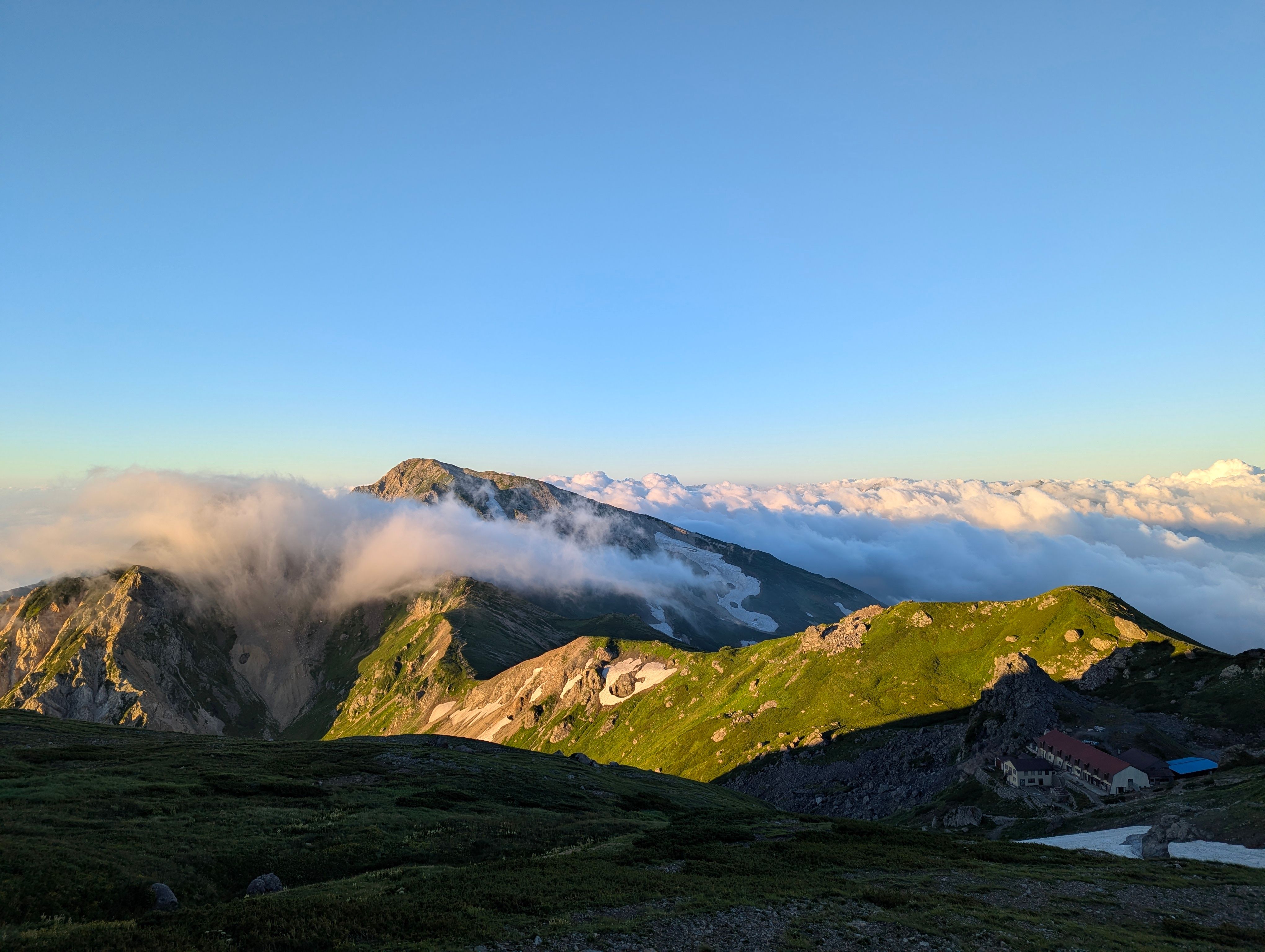
Hakuba is a mountain village in Nagano Prefecture at the foot of the Northern Japan Alps, best known internationally for deep snow and the ski areas that hosted events during the 1998 Winter Olympics. Unlike a large city with distant mountain access, Hakuba’s economy, housing and social life are directly organized around outdoor recreation. Happo-One, Hakuba 47, Goryu, Iwatake and other resorts sit within the village or immediate valley, making skiing part of the settlement’s identity. The village is dispersed rather than centered on one compact downtown. Happo is the traditional resort hub, Wadano is wooded and heavily visitor-oriented, Echoland has restaurants and nightlife, and the Goryu/Iimori area provides another cluster around ski lifts and lodging. That layout makes location choice critical. A household can live within walking distance of restaurants and lifts in the right area, but many everyday trips are easier with a car, especially outside winter shuttle patterns. Hakuba has become unusually international for a rural Japanese community. English is common in winter tourism businesses and foreign-owned accommodation, yet Japanese remains important for government procedures, healthcare, contracts and deeper community life. The local service economy is strong for tourism but limited for specialist healthcare, major shopping and professional employment. Nagano and Matsumoto provide broader regional services, while Tokyo is reachable by rail/bus connections but not as a daily convenience. Winter is the headline season, with heavy snowfall, snow clearing, icy roads and heating needs shaping daily life. Summer is quieter and increasingly attractive for hiking, mountain biking and family travel. The green season reveals a more traditional rural side of the valley, which is important for anyone considering year-round residence rather than a ski-season base. Japan offers exceptional public safety, infrastructure and healthcare quality, but residency can be a significant barrier for people without employment, family or another qualifying status. Buying property does not itself create a visa. Older homes can be relatively inexpensive, but renovation, snow load, insulation and vacancy risk require careful due diligence. Hakuba best fits skiers, outdoor entrepreneurs, hospitality workers and remote professionals who intentionally want mountain-village life. It is less suitable for someone who needs a large labor market, international healthcare access on the doorstep or effortless English-only living. A proper trial should include both peak winter and a quiet shoulder season. If the village still feels compelling when lifts are closed and many visitor businesses reduce hours, it may work as a genuine home rather than a seasonal obsession.
Cost of living snapshot
A practical executive summary for residents and relocators
2 budget bands
Executive summary
Estimated one-adult monthly cost of living: $2,400–$3,400 per month (USD).
USDmedium confidence
One adult
$2,400–$3,400 per month (USD)
Couple — two adults sharing housing
$3,400–$4,500 per month (USD)
Estimated for two adults sharing one home. Actual costs vary by housing, lifestyle and healthcare needs.
Monthly cost breakdown
The detailed budget categories that shape the monthly picture
8 live categories
Dining
$220–$380 per month (USD)
Entertainment Fitness
$150–$320 per month (USD)
Groceries
$300–$480 per month (USD)
Healthcare
$140–$320 per month (USD)
Housing
$800–$1,500 per month (USD)
Internet Mobile
$60–$100 per month (USD)
Transport
$180–$380 per month (USD)
Utilities
$180–$320 per month (USD)
How the estimate is framed
Based on the destination's reported monthly cost-of-living range.
Media and atmosphere
Photos, streets, and daily life
4 curated assets
Destination Guide
Destination guide
A magazine-style introduction to Hakuba
What you'll learn
- • Whether the destination deserves serious consideration
- • Which facts matter most before you dig deeper
- • The lifestyle qualities that make the place feel distinct
What to know first
Population8,167
Elevation700 m
Average temperaturesMonthly averages range from 19.4°F to 82.4°F across the year
WalkabilityIndividual clusters such as Happo and Echoland are walkable, but the valley as a whole is dispersed and car/shuttle dependent.
TransitWinter shuttle networks are useful, but year-round living is much easier with a car.
HealthcareJapan has universal health insurance for eligible residents and high clinical standards. Hakuba has routine local care; serious cases are transferred to regional hospitals.
Airport accessMatsumoto Airport
CurrencyJPY
LanguageJapanese
Time zoneAsia/Tokyo
Visa friendlyTemporary Visitor
What makes it distinctive
The qualities that shape daily life
Practical Details
Premium intelligence
Scores and fit
Cost of living
A Japanese Alps village surrounded by major ski areas, mountain trails and onsen culture, with a growing international community and dramatic four-season scenery.
One adult: $2,400–$3,400 per month (USD)Couple — two adults sharing housing: $3,400–$4,500 per month (USD)
Neighborhood summary
How the city is experienced block by block
5 districts
Flagship neighborhood 1
Happo
Traditional resort hub around Happo-One with buses, restaurants, bars and accommodation.
Best for
lift access, restaurants
Overall vibe
It offers a clear local rhythm and strong daily-life texture.
Neighborhood resources
Explore this neighborhood
Best For
lift access, restaurants
Overall Vibe
It offers a clear local rhythm and strong daily-life texture.
Walkability
medium
Transit
medium
Safety
very high
Housing
Lodges, condos, pensions and houses.
Pros
Ski access, social, buses
Cons
Peak-season noise, tourist pricing
Neighborhood intelligence
A curatorial guide to the places that make the neighborhood feel real
Parks & recreation
Parks & recreation
Real persisted places tied to this neighborhood.
Happo-ike Pond TrailPopular alpine hike above Happo with dramatic Northern Alps scenery.Open
Neighborhood
Happo
Shopping
Shopping
Real persisted places tied to this neighborhood.
Patagonia Hakuba / outdoor shopsHakuba has a concentration of ski and outdoor retailers serving the valley.Open
Neighborhood
Happo
Entertainment & nightlife
Entertainment & nightlife
Real persisted places tied to this neighborhood.
Blizzard HakubaPopular international bar and restaurant in the Happo area.Open
Neighborhood
Happo
Attractions & things to do
Attractions & things to do
Real persisted places tied to this neighborhood.
Hakuba Ski Jumping Stadium1998 Olympic ski-jump venue open for sightseeing.Open
Neighborhood
Happo
Hakuba Happo OnsenLocal hot-spring facilities are a major part of winter recovery and village culture.Open
Neighborhood
Happo
Outdoor recreation
Outdoor recreation
Real persisted places tied to this neighborhood.
Hakuba Happo-OneLarge Olympic ski resort directly above Happo village.Open
Neighborhood
Happo
Hakuba Iwatake Mountain ResortFour-season mountain resort with skiing, biking and panoramic terraces.Open
Neighborhood
Happo
Family friendly
Family-friendly places
Hakuba has local public/private schooling options appropriate to its country; families should verify catchments, language and admissions before housing decisions.
Remote work
Remote-work-friendly spots
Walkability
Individual clusters such as Happo and Echoland are walkable, but the valley as a whole is dispersed and car/shuttle dependent.
How easily daily errands and neighborhood life can be handled on foot.
Transit
Winter shuttle networks are useful, but year-round living is much easier with a car.
How well the area supports car-light routines and local travel.
Safety
Hakuba receives very heavy snowfall, creating roof, road and avalanche hazards.
How the area is perceived for daily calm and residential comfort.
Live neighborhood resources
Flagship neighborhood 2
Wadano
Wooded area beside Happo with upscale chalets, hotels and walking access to lifts.
Best for
ski access, quieter premium living
Overall vibe
It offers a clear local rhythm and strong daily-life texture.
Neighborhood resources
Explore this neighborhood
Best For
ski access, quieter premium living
Overall Vibe
It offers a clear local rhythm and strong daily-life texture.
Walkability
medium
Transit
medium
Safety
very high
Housing
Chalets, condos and boutique lodging.
Pros
Quiet, premium, ski access
Cons
Expensive, seasonal
Neighborhood intelligence
A curatorial guide to the places that make the neighborhood feel real
Restaurants
Restaurants
Real persisted places tied to this neighborhood.
Mimi's Restaurant & BarPolished hotel restaurant in Wadano with international and Japanese influences.Open
Neighborhood
Wadano
Family friendly
Family-friendly places
Hakuba has local public/private schooling options appropriate to its country; families should verify catchments, language and admissions before housing decisions.
Remote work
Remote-work-friendly spots
Walkability
Individual clusters such as Happo and Echoland are walkable, but the valley as a whole is dispersed and car/shuttle dependent.
How easily daily errands and neighborhood life can be handled on foot.
Transit
Winter shuttle networks are useful, but year-round living is much easier with a car.
How well the area supports car-light routines and local travel.
Safety
Hakuba receives very heavy snowfall, creating roof, road and avalanche hazards.
How the area is perceived for daily calm and residential comfort.
Live neighborhood resources
Flagship neighborhood 3
Echoland
One of Hakuba's most international areas with restaurants, bars and lodging, between Happo and Goryu.
Best for
restaurants, nightlife, expat scene
Overall vibe
It offers a clear local rhythm and strong daily-life texture.
Neighborhood resources
Explore this neighborhood
Best For
restaurants, nightlife, expat scene
Overall Vibe
It offers a clear local rhythm and strong daily-life texture.
Walkability
medium-high
Transit
medium
Safety
high
Housing
Pensions, apartments and chalets.
Pros
Social, English-friendly, dining
Cons
Not slopeside, busy winter nights
Neighborhood intelligence
A curatorial guide to the places that make the neighborhood feel real
Restaurants
Restaurants
Real persisted places tied to this neighborhood.
HiePopular local izakaya serving Japanese dishes in a casual setting.Open
Neighborhood
Echoland
Gravity WorxLong-running pizza and pasta restaurant in the Hakuba Valley.Open
Neighborhood
Echoland
Coffee
Coffee
Real persisted places tied to this neighborhood.
Sounds Like CaféWell-known Echoland café for coffee, breakfast and casual meals.Open
Neighborhood
Echoland
Coworking
Coworking
Real persisted places tied to this neighborhood.
Hakuba remote-work spacesSeasonal coworking and remote-work environments operate within hotels and cafés around the valley.Open
Neighborhood
Echoland
Family friendly
Family-friendly places
Hakuba has local public/private schooling options appropriate to its country; families should verify catchments, language and admissions before housing decisions.
Remote work
Remote-work-friendly spots
Walkability
Individual clusters such as Happo and Echoland are walkable, but the valley as a whole is dispersed and car/shuttle dependent.
How easily daily errands and neighborhood life can be handled on foot.
Transit
Winter shuttle networks are useful, but year-round living is much easier with a car.
How well the area supports car-light routines and local travel.
Safety
Hakuba receives very heavy snowfall, creating roof, road and avalanche hazards.
How the area is perceived for daily calm and residential comfort.
Live neighborhood resources
Flagship neighborhood 4
Misorano
Quieter wooded residential area near Echoland with houses and lodge properties.
Best for
year-round living, value
Overall vibe
It offers a clear local rhythm and strong daily-life texture.
Neighborhood resources
Explore this neighborhood
Best For
year-round living, value
Overall Vibe
It offers a clear local rhythm and strong daily-life texture.
Walkability
low-medium
Transit
low-medium
Safety
high
Housing
Detached homes, pensions, small condos.
Pros
Quieter, relative value, central valley
Cons
Car useful, fewer shops
Neighborhood intelligence
A curatorial guide to the places that make the neighborhood feel real
Coffee
Coffee
Real persisted places tied to this neighborhood.
Mon PigeonLocal bakery popular with residents and visitors.Open
Neighborhood
Misorano
Shopping
Shopping
Real persisted places tied to this neighborhood.
The Big HakubatenMajor supermarket for everyday groceries in Hakuba.Open
Neighborhood
Misorano
Healthcare
Healthcare
Real persisted places tied to this neighborhood.
Hakuba Clinic / local medical servicesLocal medical services handle routine care; serious cases often transfer to Omachi or Nagano.Open
Neighborhood
Misorano
Kita-Alps Medical Center Azumi HospitalRegional hospital in Ikeda for broader acute and specialist care.Open
Neighborhood
Misorano
Family friendly
Family-friendly places
Hakuba has local public/private schooling options appropriate to its country; families should verify catchments, language and admissions before housing decisions.
Remote work
Remote-work-friendly spots
Walkability
Individual clusters such as Happo and Echoland are walkable, but the valley as a whole is dispersed and car/shuttle dependent.
How easily daily errands and neighborhood life can be handled on foot.
Transit
Winter shuttle networks are useful, but year-round living is much easier with a car.
How well the area supports car-light routines and local travel.
Safety
Hakuba receives very heavy snowfall, creating roof, road and avalanche hazards.
How the area is perceived for daily calm and residential comfort.
Live neighborhood resources
Destination highlights
Real recommendations that span all of Hakuba
Restaurants across Hakuba
Real, verified Hakuba places in this category.
Mimi's Restaurant & BarPolished hotel restaurant in Wadano with international and Japanese influences.Open
Neighborhood
Hakuba
HiePopular local izakaya serving Japanese dishes in a casual setting.Open
Neighborhood
Hakuba
Gravity WorxLong-running pizza and pasta restaurant in the Hakuba Valley.Open
Neighborhood
Hakuba
Coffee across Hakuba
Real, verified Hakuba places in this category.
Sounds Like CaféWell-known Echoland café for coffee, breakfast and casual meals.Open
Neighborhood
Hakuba
Mon PigeonLocal bakery popular with residents and visitors.Open
Neighborhood
Hakuba
Parks & recreation across Hakuba
Real, verified Hakuba places in this category.
Happo-ike Pond TrailPopular alpine hike above Happo with dramatic Northern Alps scenery.Open
Neighborhood
Hakuba
Shopping across Hakuba
Real, verified Hakuba places in this category.
Patagonia Hakuba / outdoor shopsHakuba has a concentration of ski and outdoor retailers serving the valley.Open
Neighborhood
Hakuba
The Big HakubatenMajor supermarket for everyday groceries in Hakuba.Open
Neighborhood
Hakuba
Healthcare across Hakuba
Real, verified Hakuba places in this category.
Hakuba Clinic / local medical servicesLocal medical services handle routine care; serious cases often transfer to Omachi or Nagano.Open
Neighborhood
Hakuba
Kita-Alps Medical Center Azumi HospitalRegional hospital in Ikeda for broader acute and specialist care.Open
Neighborhood
Hakuba
Entertainment & nightlife across Hakuba
Real, verified Hakuba places in this category.
Blizzard HakubaPopular international bar and restaurant in the Happo area.Open
Neighborhood
Hakuba
Attractions & things to do across Hakuba
Real, verified Hakuba places in this category.
Hakuba Ski Jumping Stadium1998 Olympic ski-jump venue open for sightseeing.Open
Neighborhood
Hakuba
Hakuba Happo OnsenLocal hot-spring facilities are a major part of winter recovery and village culture.Open
Neighborhood
Hakuba
Outdoor recreation across Hakuba
Real, verified Hakuba places in this category.
Hakuba Happo-OneLarge Olympic ski resort directly above Happo village.Open
Neighborhood
Hakuba
Hakuba 47 Winter Sports ParkMajor ski area linked with Goryu and popular with international visitors.Open
Neighborhood
Hakuba
Able Hakuba GoryuLarge ski resort with gondola and extensive terrain in southern Hakuba.Open
Neighborhood
Hakuba
Hakuba Iwatake Mountain ResortFour-season mountain resort with skiing, biking and panoramic terraces.Open
Neighborhood
Hakuba
Coworking across Hakuba
Real, verified Hakuba places in this category.
Hakuba remote-work spacesSeasonal coworking and remote-work environments operate within hotels and cafés around the valley.Open
Neighborhood
Hakuba
Maps and resources
Discovery links grouped by category
Hotels
Vacation Rentals
Healthcare
Weather
Restaurants
Nightlife
Consulates
Digital Nomad Resources
Social Discovery
Deep Dive
Editorial overview
The living rhythms that shape the place
Movement
Getting around
Nearest regional airport; limited route network compared with Tokyo gateways.
Seasonal living
Climate and recreation
Movement
Transportation
Nearest regional airport; limited route network compared with Tokyo gateways.
Continue reading
Airport access: Regional and international access
Wellness
Healthcare
Japan has universal health insurance for eligible residents and high clinical standards. Hakuba has routine local care; serious cases are transferred to regional hospitals.
Continue reading
Insurance and access: Private/travel insurance is important for visitors and can help with language or evacuation logistics.
Retirement
Retirement
Best for active retirees with Japanese status/language and strong winter mobility; less ideal for frail aging.
Continue reading
Who should not: Hakuba is a mountain village in Nagano Prefecture at the foot of the Northern Japan Alps, best known internationally for deep snow and the ski areas that hosted events during the 1998 Winter Olympics. Unlike a large city with distant mountain access, Hakuba’s economy, housing and social life are directly organized around outdoor recreation. Happo-One, Hakuba 47, Goryu, Iwatake and other resorts sit within the village or immediate valley, making skiing part of the settlement’s identity. The village is dispersed rather than centered on one compact downtown. Happo is the traditional resort hub, Wadano is wooded and heavily visitor-oriented, Echoland has restaurants and nightlife, and the Goryu/Iimori area provides another cluster around ski lifts and lodging. That layout makes location choice critical. A household can live within walking distance of restaurants and lifts in the right area, but many everyday trips are easier with a car, especially outside winter shuttle patterns. Hakuba has become unusually international for a rural Japanese community. English is common in winter tourism businesses and foreign-owned accommodation, yet Japanese remains important for government procedures, healthcare, contracts and deeper community life. The local service economy is strong for tourism but limited for specialist healthcare, major shopping and professional employment. Nagano and Matsumoto provide broader regional services, while Tokyo is reachable by rail/bus connections but not as a daily convenience. Winter is the headline season, with heavy snowfall, snow clearing, icy roads and heating needs shaping daily life. Summer is quieter and increasingly attractive for hiking, mountain biking and family travel. The green season reveals a more traditional rural side of the valley, which is important for anyone considering year-round residence rather than a ski-season base. Japan offers exceptional public safety, infrastructure and healthcare quality, but residency can be a significant barrier for people without employment, family or another qualifying status. Buying property does not itself create a visa. Older homes can be relatively inexpensive, but renovation, snow load, insulation and vacancy risk require careful due diligence. Hakuba best fits skiers, outdoor entrepreneurs, hospitality workers and remote professionals who intentionally want mountain-village life. It is less suitable for someone who needs a large labor market, international healthcare access on the doorstep or effortless English-only living. A proper trial should include both peak winter and a quiet shoulder season. If the village still feels compelling when lifts are closed and many visitor businesses reduce hours, it may work as a genuine home rather than a seasonal obsession. Best neighborhoods: Happo, Wadano, Echoland, Misorano, Goryu / Iimori Taxes: Estimated one-adult monthly cost of living: $2,400–$3,400 per month (USD).
Family
Family
Hakuba has local public/private schooling options appropriate to its country; families should verify catchments, language and admissions before housing decisions.
Continue reading
Neighborhood recommendations: Happo, Wadano, Echoland, Misorano, Goryu / Iimori
Remote work
Digital nomad
Technically workable but schedule alignment and winter seasonality are significant.
Continue reading
Visa: Requirements vary by citizenship Monthly costs: One adult: $2,400–$3,400 per month (USD) • Couple — two adults sharing housing: $3,400–$4,500 per month (USD) Best neighborhoods: Happo, Wadano, Echoland, Misorano, Goryu / Iimori
Practical Living Snapshot
Personal safety
- Neighborhood-level evidence is consistently favorable across the districts covered here.
Walkability and terrain
- Winter snowbanks, icy surfaces and dispersed settlement can be challenging despite accessible resort facilities.
- medium-low
Daily errands and convenience
- good
- Winter shuttle convenience can hide how car-dependent year-round life becomes.
Internet and remote-work reliability
- Technically workable but schedule alignment and winter seasonality are significant.
Language ease
- English can support winter resort life; Japanese is important for residence, medicine and year-round integration.
- partially
Community and Personal Comfort
Social integration and community character
- Hakuba offers multiple social entry points through local events, recreation, food and neighborhood life. Large seasonal international ski workforce and foreign property/lodge ownership relative to village population.
- Outdoor/cultural/professional clubs and local events
LGBTQ+ considerations
- International tourism helps openness, but national legal framework remains less comprehensive than peers.
- Small local scene; larger resources in Tokyo/Nagano.
- This reflects general legal and cultural context only - not individualized legal advice, and not a guarantee of safety or comfort.
Family
- Hakuba has local public/private schooling options appropriate to its country; families should verify catchments, language and admissions before housing decisions.
- Regional universities/tertiary options vary; local higher education noted where relevant.
- Childcare and preschool systems follow Japan rules and local provider capacity; costs and eligibility can vary materially for newcomers.
- Hakuba offers destination-specific family recreation tied to its parks, culture and outdoor setting.
Pets
- Pet-friendly rentals are limited but growing in tourism housing.
- Snow, heat and lodging rules affect pet practicality.
Reality and Environment
Environmental and natural-hazard risks
- Very good mountain air; winter wood smoke/local inversion possible.
- Municipal and local water systems generally high quality.
- Hakuba receives very heavy snowfall, creating roof, road and avalanche hazards.
- Nagano is seismically active and strong earthquakes are possible.
- Backcountry skiing and alpine hiking can become serious emergencies quickly.
Crowds and seasonality
- Cold/heavy snow
- Mild/humid summer
- Warm/humid
Who tends to love or struggle with this destination
- Clearing roofs, vehicles and access paths is part of daily life in one of Japan's snowiest resort valleys.
- A map can make Hakuba look compact, but moving between Happo, Echoland, Goryu and services often requires a car/shuttle.
- Winter businesses can feel highly international; government, healthcare and off-season life remain Japanese-first.
- Serious care typically requires travel to Omachi, Matsumoto or Nagano.
- Businesses reduce hours and social energy changes substantially once ski traffic disappears.
Real destination-level research
Lifestyle & Recreation
What day-to-day life, the surrounding landscape, and recreation genuinely look like here - based on verified research, never a generic checklist.
Coffee
Echoland and Happo support strong café options, especially during ski season.
Named places
Community
International seasonal workers and foreign owners mix with long-established Japanese residents, creating a unique but seasonal social structure.
Dining
International winter demand has produced an unusually diverse restaurant scene for rural Japan.
Named places
Mon PigeonOpen on Google Maps
Grocery
Supermarkets cover basics, but specialty/imported shopping is limited compared with Nagano or Matsumoto.
Named places
Healthcare
Routine clinics are local; more serious care requires transfer to regional hospitals.
Named places
Internet
Developed lodging and residential areas generally support reliable broadband; remote properties should be checked individually.
Language
Japanese remains important for bureaucracy, medical care and long-term integration, while English is common in winter tourism.
Natural Setting
The Northern Japan Alps rise directly above the village, with heavy winter snow and dramatic summer hiking.
Named places
Nightlife
Happo and Echoland have lively winter bars, while shoulder seasons become markedly quieter.
Named places
Parks Gardens
Mountain trails and alpine recreation dominate open-space life rather than formal urban parks.
Settlement Type
Dispersed Japanese alpine village whose economy and built environment are directly organized around skiing and mountain tourism.
Skiing Winter
Multiple major resorts operate within Hakuba Village itself, making it a true ski-resort community rather than nearby access.
Transit
Winter shuttle networks are useful, but year-round living is much easier with a car.
Walkability
Individual clusters such as Happo and Echoland are walkable, but the valley as a whole is dispersed and car/shuttle dependent.
Climate (monthly)
- Jan: 19.4–35.6°F
- Feb: 19.4–37.4°F
- Mar: 26.6–44.6°F
- Apr: 35.6–57.2°F
- May: 46.4–68°F
- Jun: 55.4–73.4°F
- Jul: 62.6–80.6°F
- Aug: 64.4–82.4°F
- Sep: 55.4–73.4°F
- Oct: 42.8–62.6°F
- Nov: 32–51.8°F
- Dec: 24.8–41°F