Lifestyle at a glance
Best for outdoor enthusiasts and residents seeking exceptional scenery.

DestinationFinderAI premium guide
Argentina
Bariloche, Argentina
A Patagonian lake city framed by the Andes, combining a real urban center with skiing, hiking, beaches, craft beer, chocolate and year-round outdoor access.
Overview
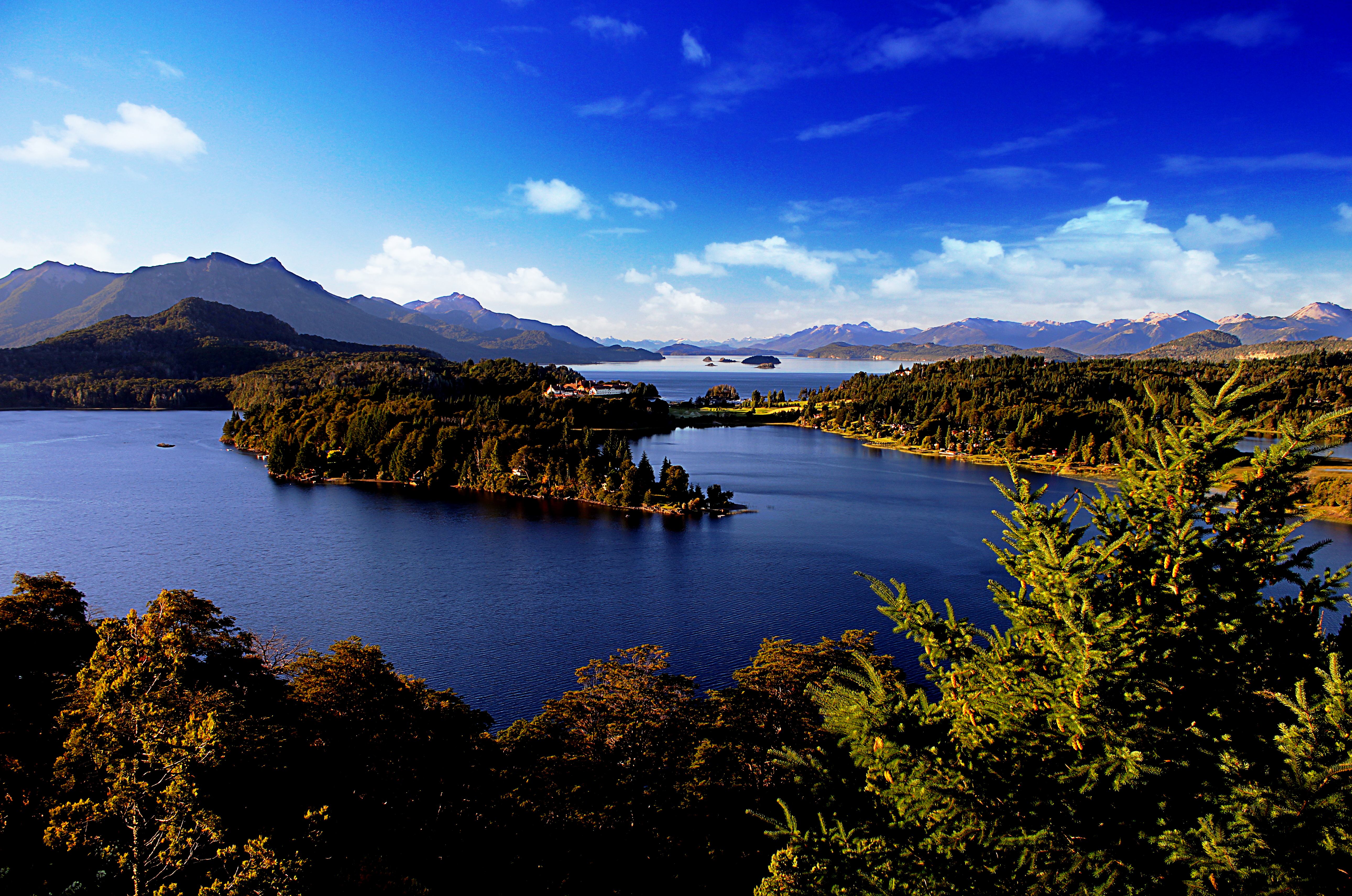
Bariloche sits on the southern shore of Nahuel Huapi Lake inside the national park of the same name, with Andean peaks rising immediately behind the city. That setting gives it an unusual dual identity: it is a real regional city with hospitals, schools, supermarkets, neighborhoods and year-round residents, but it also functions as one of South America’s best-known mountain resorts. Cerro Catedral anchors the winter economy, while summer brings hiking, paddling, mountain biking, fishing and beach days on the lake. The result is a destination where outdoor life is integrated into ordinary routines instead of requiring a long weekend escape. The urban core is compact enough to feel manageable, especially around Centro Cívico, Calle Mitre and the lower residential districts. Avenida Bustillo then stretches west for kilometers along Nahuel Huapi, connecting neighborhoods such as Melipal, Playa Bonita and the Llao Llao area. That corridor offers some of the city’s most scenic living, but it also makes mobility more car-dependent and can become congested in peak seasons. Downtown living is more practical for errands and transit, while western neighborhoods trade convenience for water views, forest and trail access. Bariloche’s lifestyle depth is one of its biggest strengths. The city has a serious restaurant and craft-beer scene, famous chocolate houses, tea rooms, cultural institutions and a large tourism workforce that keeps the place internationally oriented. It is also a strong base for remote workers who value outdoor access, though internet quality and housing value vary by neighborhood. The airport provides direct domestic connectivity and some regional international service, reducing the isolation that affects many mountain towns. The tradeoffs are equally real. Argentina’s inflation and currency volatility complicate long-term budgeting, rental agreements and imported-goods pricing. Housing demand is strong, especially near the lake and during high season, and winter weather can add snow, ice and heating costs. Healthcare is substantially better than in a small resort village, but more specialized care may still mean referral to larger Argentine centers. Spanish matters for contracts, healthcare and bureaucracy even though tourism workers often have some English. Bariloche best fits people who want a dramatic mountain-and-lake lifestyle without giving up the services of a mid-sized city. Skiers, hikers, cyclists, paddlers and active retirees can build a genuinely year-round life here. The city is less ideal for someone seeking economic predictability, warm winters or effortless bureaucracy. A serious relocation test should include both deep winter and a shoulder season, because the experience changes meaningfully with snow, tourism volume and daylight. For the right household, Bariloche offers one of the strongest combinations of scenery, recreation and urban practicality in Patagonia.
Cost of living snapshot
2 budget bands
Executive summary
Estimated one-adult monthly cost of living: $2,200–$3,100 per month (USD).
One adult
$2,200–$3,100 per month (USD)
Couple — two adults sharing housing
$3,200–$4,300 per month (USD)
Estimated for two adults sharing one home. Actual costs vary by housing, lifestyle and healthcare needs.
Monthly cost breakdown
8 live categories
Dining
$220–$350 per month (USD)
Entertainment Fitness
$140–$280 per month (USD)
Groceries
$300–$450 per month (USD)
Healthcare
$80–$200 per month (USD)
Housing
$900–$1,400 per month (USD)
Internet Mobile
$45–$75 per month (USD)
Transport
$90–$220 per month (USD)
Utilities
$140–$240 per month (USD)
How the estimate is framed
Based on the destination's reported monthly cost-of-living range.
Media and atmosphere
4 curated assets
Destination guide
What you'll learn
What to know first
What makes it distinctive
Premium intelligence
Best for outdoor enthusiasts and residents seeking exceptional scenery.
A Patagonian lake city framed by the Andes, combining a real urban center with skiing, hiking, beaches, craft beer, chocolate and year-round outdoor access.
Neighborhood summary
Flagship neighborhood 1
Bariloche's civic and commercial heart around Centro Cívico, Mitre and the lakefront. Best for car-light living, dining and quick access to buses and services.
Best for
walkability, restaurants, transit
Overall vibe
It offers a clear local rhythm and strong daily-life texture.
Neighborhood resources
Best For
walkability, restaurants, transit
Overall Vibe
It offers a clear local rhythm and strong daily-life texture.
Walkability
high
Transit
high
Safety
medium
Housing
Mid-rise apartments, older mixed-use buildings and some newer infill.
Pros
Walkable, restaurants, lakefront, transit
Cons
Tourism noise, older buildings, parking pressure
Neighborhood intelligence
Restaurants
Restaurants
Real persisted places tied to this neighborhood.
Neighborhood
Centro
Neighborhood
Centro
Coffee
Coffee
Real persisted places tied to this neighborhood.
Neighborhood
Centro
Neighborhood
Centro
Shopping
Shopping
Real persisted places tied to this neighborhood.
Neighborhood
Centro
Neighborhood
Centro
Healthcare
Healthcare
Real persisted places tied to this neighborhood.
Neighborhood
Centro
Neighborhood
Centro
Attractions & things to do
Attractions & things to do
Real persisted places tied to this neighborhood.
Neighborhood
Centro
Neighborhood
Centro
Family friendly
Family-friendly places
Bariloche has local public/private schooling options appropriate to its country; families should verify catchments, language and admissions before housing decisions.
Remote work
Remote-work-friendly spots
Walkability
Downtown and Centro Cívico are walkable; the long Bustillo corridor and western lake neighborhoods become increasingly car-dependent.
How easily daily errands and neighborhood life can be handled on foot.
Transit
City buses cover the urban area and Bustillo corridor, but route timing and distance make a car valuable outside the center.
How well the area supports car-light routines and local travel.
Safety
Snow, ice and rapidly changing mountain conditions affect roads, especially toward Cerro Catedral and western lake districts.
How the area is perceived for daily calm and residential comfort.
Live neighborhood resources
Flagship neighborhood 2
Leafy streets uphill from downtown with a more residential feel while remaining close to the center.
Best for
quiet central living
Overall vibe
It offers a clear local rhythm and strong daily-life texture.
Neighborhood resources
Best For
quiet central living
Overall Vibe
It offers a clear local rhythm and strong daily-life texture.
Walkability
medium-high
Transit
medium
Safety
medium-high
Housing
Houses, duplexes and low-rise apartments.
Pros
Quieter, central, established housing
Cons
Hills, winter ice, limited nightlife
Neighborhood intelligence
Coworking
Coworking
Real persisted places tied to this neighborhood.
Neighborhood
Belgrano
Family friendly
Family-friendly places
Bariloche has local public/private schooling options appropriate to its country; families should verify catchments, language and admissions before housing decisions.
Remote work
Remote-work-friendly spots
Walkability
Downtown and Centro Cívico are walkable; the long Bustillo corridor and western lake neighborhoods become increasingly car-dependent.
How easily daily errands and neighborhood life can be handled on foot.
Transit
City buses cover the urban area and Bustillo corridor, but route timing and distance make a car valuable outside the center.
How well the area supports car-light routines and local travel.
Safety
Snow, ice and rapidly changing mountain conditions affect roads, especially toward Cerro Catedral and western lake districts.
How the area is perceived for daily calm and residential comfort.
Live neighborhood resources
Flagship neighborhood 3
Avenida Bustillo neighborhood west of downtown with lake access, established homes and convenient services.
Best for
lake views and local feel
Overall vibe
It offers a clear local rhythm and strong daily-life texture.
Neighborhood resources
Best For
lake views and local feel
Overall Vibe
It offers a clear local rhythm and strong daily-life texture.
Walkability
medium
Transit
medium
Safety
medium-high
Housing
Detached homes, cabins, low-rise apartments.
Pros
Views, beaches, schools, calmer
Cons
Car helpful, traffic on Bustillo
Neighborhood intelligence
Family friendly
Family-friendly places
Bariloche has local public/private schooling options appropriate to its country; families should verify catchments, language and admissions before housing decisions.
Remote work
Remote-work-friendly spots
Walkability
Downtown and Centro Cívico are walkable; the long Bustillo corridor and western lake neighborhoods become increasingly car-dependent.
How easily daily errands and neighborhood life can be handled on foot.
Transit
City buses cover the urban area and Bustillo corridor, but route timing and distance make a car valuable outside the center.
How well the area supports car-light routines and local travel.
Safety
Snow, ice and rapidly changing mountain conditions affect roads, especially toward Cerro Catedral and western lake districts.
How the area is perceived for daily calm and residential comfort.
Live neighborhood resources
Flagship neighborhood 4
Scenic lakeside area centered on Playa Bonita and nearby Bustillo corridor, popular with long-stay residents and visitors.
Best for
beach access, scenery
Overall vibe
It offers a clear local rhythm and strong daily-life texture.
Neighborhood resources
Best For
beach access, scenery
Overall Vibe
It offers a clear local rhythm and strong daily-life texture.
Walkability
medium-low
Transit
low-medium
Safety
medium-high
Housing
Cabins, homes and boutique apartments.
Pros
Beach access, scenery, west-side lifestyle
Cons
Car dependence, peak traffic
Neighborhood intelligence
Parks & recreation
Parks & recreation
Real persisted places tied to this neighborhood.
Neighborhood
Playa Bonita
Outdoor recreation
Outdoor recreation
Real persisted places tied to this neighborhood.
Neighborhood
Playa Bonita
Family friendly
Family-friendly places
Bariloche has local public/private schooling options appropriate to its country; families should verify catchments, language and admissions before housing decisions.
Remote work
Remote-work-friendly spots
Walkability
Downtown and Centro Cívico are walkable; the long Bustillo corridor and western lake neighborhoods become increasingly car-dependent.
How easily daily errands and neighborhood life can be handled on foot.
Transit
City buses cover the urban area and Bustillo corridor, but route timing and distance make a car valuable outside the center.
How well the area supports car-light routines and local travel.
Safety
Snow, ice and rapidly changing mountain conditions affect roads, especially toward Cerro Catedral and western lake districts.
How the area is perceived for daily calm and residential comfort.
Live neighborhood resources
Destination highlights
Restaurants across Bariloche
Real, verified Bariloche places in this category.
Neighborhood
Bariloche
Neighborhood
Bariloche
Coffee across Bariloche
Real, verified Bariloche places in this category.
Neighborhood
Bariloche
Neighborhood
Bariloche
Parks & recreation across Bariloche
Real, verified Bariloche places in this category.
Neighborhood
Bariloche
Neighborhood
Bariloche
Shopping across Bariloche
Real, verified Bariloche places in this category.
Neighborhood
Bariloche
Neighborhood
Bariloche
Golf across Bariloche
Real, verified Bariloche places in this category.
Neighborhood
Bariloche
Healthcare across Bariloche
Real, verified Bariloche places in this category.
Neighborhood
Bariloche
Neighborhood
Bariloche
Entertainment & nightlife across Bariloche
Real, verified Bariloche places in this category.
Neighborhood
Bariloche
Attractions & things to do across Bariloche
Real, verified Bariloche places in this category.
Neighborhood
Bariloche
Neighborhood
Bariloche
Outdoor recreation across Bariloche
Real, verified Bariloche places in this category.
Neighborhood
Bariloche
Neighborhood
Bariloche
Neighborhood
Bariloche
Coworking across Bariloche
Real, verified Bariloche places in this category.
Neighborhood
Bariloche
Maps and resources
Hotels
Vacation Rentals
Weather
Restaurants
Museums
Golf
Consulates
Digital Nomad Resources
Social Discovery
Editorial overview
Movement
Primary airport with strong domestic links and seasonal/regional international service.
Seasonal living
Cool oceanic mountain climate with mild summers and snowy winters
Living there
Best for outdoor enthusiasts and residents seeking exceptional scenery.
Morning: A Patagonian lake city framed by the Andes, combining a real urban center with skiing, hiking, beaches, craft beer, chocolate and year-round outdoor access. Evening: Bariloche sits on the southern shore of Nahuel Huapi Lake inside the national park of the same name, with Andean peaks rising immediately behind the city. That setting gives it an unusual dual identity: it is a real regional city with hospitals, schools, supermarkets, neighborhoods and year-round residents, but it also functions as one of South America’s best-known mountain resorts. Cerro Catedral anchors the winter economy, while summer brings hiking, paddling, mountain biking, fishing and beach days on the lake. The result is a destination where outdoor life is integrated into ordinary routines instead of requiring a long weekend escape. The urban core is compact enough to feel manageable, especially around Centro Cívico, Calle Mitre and the lower residential districts. Avenida Bustillo then stretches west for kilometers along Nahuel Huapi, connecting neighborhoods such as Melipal, Playa Bonita and the Llao Llao area. That corridor offers some of the city’s most scenic living, but it also makes mobility more car-dependent and can become congested in peak seasons. Downtown living is more practical for errands and transit, while western neighborhoods trade convenience for water views, forest and trail access. Bariloche’s lifestyle depth is one of its biggest strengths. The city has a serious restaurant and craft-beer scene, famous chocolate houses, tea rooms, cultural institutions and a large tourism workforce that keeps the place internationally oriented. It is also a strong base for remote workers who value outdoor access, though internet quality and housing value vary by neighborhood. The airport provides direct domestic connectivity and some regional international service, reducing the isolation that affects many mountain towns. The tradeoffs are equally real. Argentina’s inflation and currency volatility complicate long-term budgeting, rental agreements and imported-goods pricing. Housing demand is strong, especially near the lake and during high season, and winter weather can add snow, ice and heating costs. Healthcare is substantially better than in a small resort village, but more specialized care may still mean referral to larger Argentine centers. Spanish matters for contracts, healthcare and bureaucracy even though tourism workers often have some English. Bariloche best fits people who want a dramatic mountain-and-lake lifestyle without giving up the services of a mid-sized city. Skiers, hikers, cyclists, paddlers and active retirees can build a genuinely year-round life here. The city is less ideal for someone seeking economic predictability, warm winters or effortless bureaucracy. A serious relocation test should include both deep winter and a shoulder season, because the experience changes meaningfully with snow, tourism volume and daylight. For the right household, Bariloche offers one of the strongest combinations of scenery, recreation and urban practicality in Patagonia. Seasonal rhythm: Cool oceanic mountain climate with mild summers and snowy winters
Weather
Cool oceanic mountain climate with mild summers and snowy winters
Movement
Primary airport with strong domestic links and seasonal/regional international service.
Airport access: Regional and international access
Wellness
Argentina has a mixed public, obras sociales and private healthcare system. Bariloche has a major public hospital plus private sanatoria, giving it substantially more depth than a small resort town.
Insurance and access: International/private insurance can improve access to private facilities and help bridge uncertainty over local coverage.
Retirement
Appealing active-retirement setting, but inflation, healthcare depth and Spanish are key planning factors.
Who should not: Bariloche sits on the southern shore of Nahuel Huapi Lake inside the national park of the same name, with Andean peaks rising immediately behind the city. That setting gives it an unusual dual identity: it is a real regional city with hospitals, schools, supermarkets, neighborhoods and year-round residents, but it also functions as one of South America’s best-known mountain resorts. Cerro Catedral anchors the winter economy, while summer brings hiking, paddling, mountain biking, fishing and beach days on the lake. The result is a destination where outdoor life is integrated into ordinary routines instead of requiring a long weekend escape. The urban core is compact enough to feel manageable, especially around Centro Cívico, Calle Mitre and the lower residential districts. Avenida Bustillo then stretches west for kilometers along Nahuel Huapi, connecting neighborhoods such as Melipal, Playa Bonita and the Llao Llao area. That corridor offers some of the city’s most scenic living, but it also makes mobility more car-dependent and can become congested in peak seasons. Downtown living is more practical for errands and transit, while western neighborhoods trade convenience for water views, forest and trail access. Bariloche’s lifestyle depth is one of its biggest strengths. The city has a serious restaurant and craft-beer scene, famous chocolate houses, tea rooms, cultural institutions and a large tourism workforce that keeps the place internationally oriented. It is also a strong base for remote workers who value outdoor access, though internet quality and housing value vary by neighborhood. The airport provides direct domestic connectivity and some regional international service, reducing the isolation that affects many mountain towns. The tradeoffs are equally real. Argentina’s inflation and currency volatility complicate long-term budgeting, rental agreements and imported-goods pricing. Housing demand is strong, especially near the lake and during high season, and winter weather can add snow, ice and heating costs. Healthcare is substantially better than in a small resort village, but more specialized care may still mean referral to larger Argentine centers. Spanish matters for contracts, healthcare and bureaucracy even though tourism workers often have some English. Bariloche best fits people who want a dramatic mountain-and-lake lifestyle without giving up the services of a mid-sized city. Skiers, hikers, cyclists, paddlers and active retirees can build a genuinely year-round life here. The city is less ideal for someone seeking economic predictability, warm winters or effortless bureaucracy. A serious relocation test should include both deep winter and a shoulder season, because the experience changes meaningfully with snow, tourism volume and daylight. For the right household, Bariloche offers one of the strongest combinations of scenery, recreation and urban practicality in Patagonia. Best neighborhoods: Centro, Belgrano, Melipal, Playa Bonita, Llao Llao / Km 20+ Climate considerations: Cool oceanic mountain climate with mild summers and snowy winters Taxes: Estimated one-adult monthly cost of living: $2,200–$3,100 per month (USD).
Family
Bariloche has local public/private schooling options appropriate to its country; families should verify catchments, language and admissions before housing decisions.
Activities: Best for outdoor enthusiasts and residents seeking exceptional scenery. Neighborhood recommendations: Centro, Belgrano, Melipal, Playa Bonita, Llao Llao / Km 20+
Remote work
Good for remote work in central neighborhoods; verify building-level fiber and backup power.
Coworking: Best for outdoor enthusiasts and residents seeking exceptional scenery. Visa: Requirements vary by citizenship Monthly costs: One adult: $2,200–$3,100 per month (USD) • Couple — two adults sharing housing: $3,200–$4,300 per month (USD) Best neighborhoods: Centro, Belgrano, Melipal, Playa Bonita, Llao Llao / Km 20+
Personal safety
Walkability and terrain
Daily errands and convenience
Internet and remote-work reliability
Language ease
Social integration and community character
LGBTQ+ considerations
Family
Pets
Environmental and natural-hazard risks
Crowds and seasonality
Who tends to love or struggle with this destination
Real destination-level research
What day-to-day life, the surrounding landscape, and recreation genuinely look like here - based on verified research, never a generic checklist.
Coffee
Downtown chocolate houses, tea rooms and cafés provide a deep social café culture for a city of this size.
Named places
Culture Museums
Museo de la Patagonia, local galleries, historic civic architecture and a strong regional identity add cultural depth.
Dining
Strong Patagonian dining scene with steak, trout, smoked meats, chocolate and craft beer supported by year-round tourism.
Named places
Grocery
Major supermarkets and neighborhood shops cover everyday needs; western lake neighborhoods have fewer choices.
Named places
Healthcare
Bariloche has public and private hospital capacity appropriate to a regional city; highly specialized care may require referral.
Named places
Internet
Urban fiber/cable and mobile service support remote work, though reliability can vary in more remote lake/forest sectors.
Language
Spanish is essential for contracts, healthcare and bureaucracy; English is more common in tourism-facing businesses.
Natural Setting
Nahuel Huapi Lake, Andean peaks, forest and national park land surround the urban area.
Named places
Parks Gardens
Nahuel Huapi National Park and extensive lake/forest access give Bariloche exceptional everyday green-space access.
Named places
Settlement Type
Regional Patagonian city with a strong four-season resort economy rather than a stand-alone ski village.
Skiing Winter
Cerro Catedral is integrated into the city economy and reachable as a normal day-trip, making serious downhill skiing a defining local feature.
Transit
City buses cover the urban area and Bustillo corridor, but route timing and distance make a car valuable outside the center.
Walkability
Downtown and Centro Cívico are walkable; the long Bustillo corridor and western lake neighborhoods become increasingly car-dependent.
Water Recreation
Direct lake access supports swimming, kayaking, sailing and fishing across multiple city beaches and marinas.
Climate (monthly)