Lifestyle at a glance
Best for sailors, history lovers, residents and government workers seeking small-city charm.

DestinationFinderAI premium guide
United States
Annapolis, United States
Annapolis combines a compact state capital where brick colonial streets meet a working harbor, the Naval Academy, sailing culture and a restaurant scene that spills toward City Dock, with a lifestyle that particularly suits sailors and travelers who want a destination with real everyday texture.
Overview
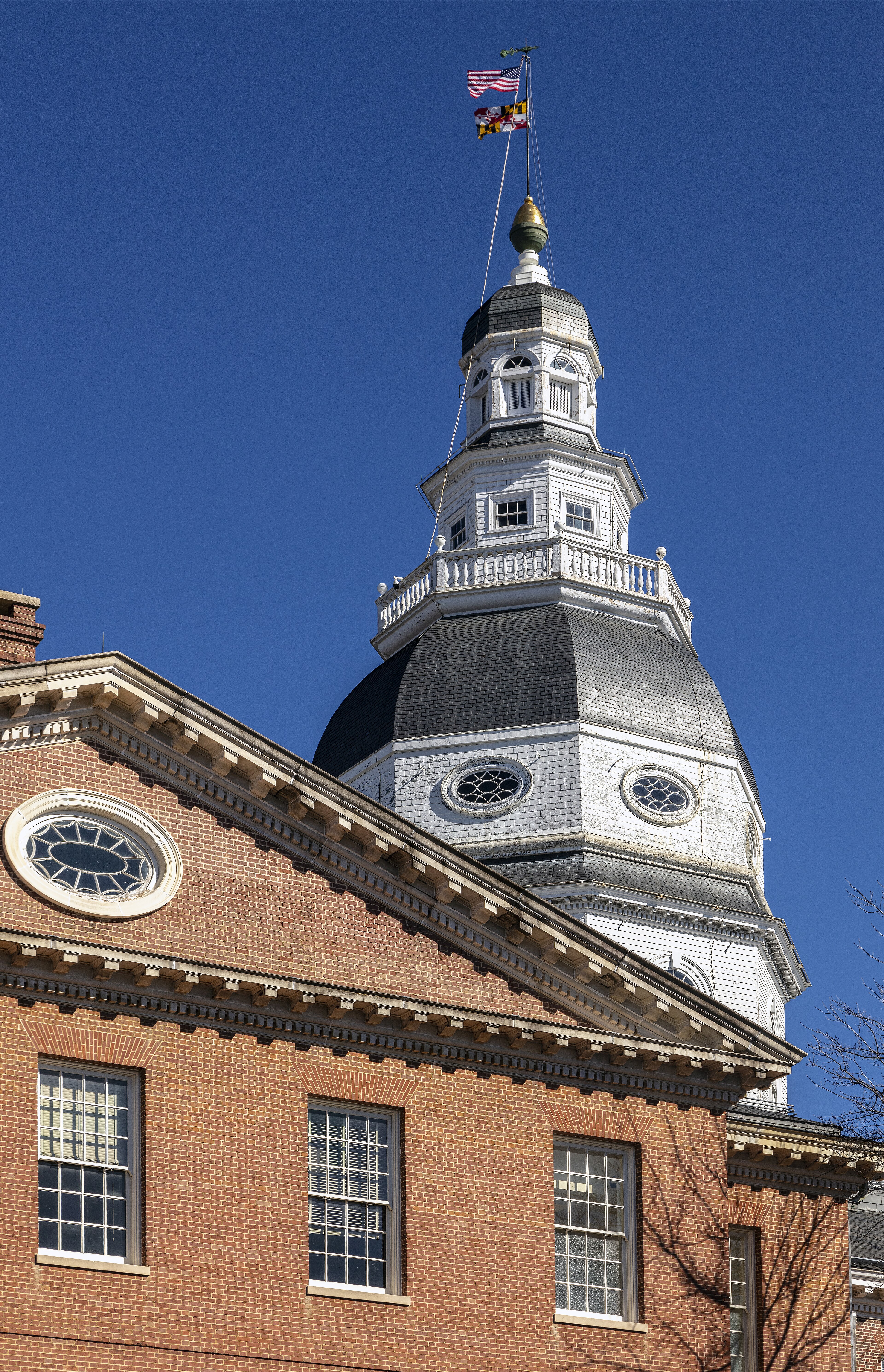
What makes Annapolis compelling is the collision of everyday life with destination energy: a compact state capital where brick colonial streets meet a working harbor, the Naval Academy, sailing culture and a restaurant scene that spills toward City Dock. It has enough identity to justify a dedicated trip, but also enough ordinary infrastructure to test as a month-long or retirement base. Neighborhood choice changes the experience quickly. Historic Annapolis makes car-light living plausible, Eastport adds a more local maritime feel, and Parole offers modern conveniences at the cost of walkable waterfront character. A sensible scouting stay should compare at least Historic District / City Dock with West Annapolis and Parole / Annapolis Town Center, because the walkability, parking, housing style and exposure to visitor traffic are not interchangeable. The local social anchor around City Dock is useful, but it can exaggerate how easy the rest of the destination feels. The lifestyle case is strongest for sailors, history lovers, food-oriented travelers, retirees who want cultural density and people who value access to both Baltimore and Washington without living in either. Signature places such as United States Naval Academy, Maryland State House and City Dock are not just sightseeing stops; they show what residents actually have access to on repeat visits. Food and social life are similarly grounded by places like Preserve and Vin 909 Winecafe, while Anne Arundel County Farmers Market gives a more useful test of weekly routine than another attraction checklist. Practicality is more mixed. BWI is close, Washington and Baltimore are reachable, but local transit is modest; the best car-light experience depends heavily on living in or near the historic core. For healthcare, Luminis Health Anne Arundel Medical Center is the local reference point, but a serious relocation decision should map the nearest specialty care, emergency options and airport backup before a lease or purchase. In Annapolis, housing math needs a building-level check: insurance, maintenance, parking, utilities and location can move the real monthly cost well beyond the headline rent or purchase price. The reality check is specific: flooding and storm exposure near the water, expensive historic housing, tight parking and summer/boat-show congestion. Spring through fall keeps the harbor intensely active; winter is calmer and reveals whether the historic-core lifestyle still works without the regatta atmosphere. The right trial is therefore not a perfect long weekend. A useful trial in Annapolis should include groceries, an ordinary workday, an evening trip home, a pharmacy run, an internet test and at least one day when the weather is less than postcard-perfect. If that ordinary version still feels energizing, Annapolis has the ingredients for much more than a vacation.
Cost of living snapshot
2 budget bands
Executive summary
Estimated one-adult monthly cost of living: $2,350–$4,125 per month (USD).
One adult
$2,350–$4,125 per month (USD)
Couple — two adults sharing housing
$3,125–$5,475 per month (USD)
Estimated for two adults sharing one home. Actual costs vary by housing, lifestyle and healthcare needs.
Monthly cost breakdown
10 live categories
Housing
$1,104–$2,028 per month (USD)
Groceries
$276–$429 per month (USD)
Dining
$207–$429 per month (USD)
Transport
$161–$312 per month (USD)
Utilities
$138–$195 per month (USD)
Internet Mobile
$81–$117 per month (USD)
Healthcare
$138–$195 per month (USD)
Fitness Recreation
$104–$195 per month (USD)
Household Personal
$92–$136 per month (USD)
Miscellaneous
$58–$98 per month (USD)
How the estimate is framed
Based on the destination's reported monthly cost-of-living range.
Media and atmosphere
4 curated assets
Destination guide
What you'll learn
What to know first
What makes it distinctive
Premium intelligence
Best for sailors, history lovers, residents and government workers seeking small-city charm.
Annapolis combines a compact state capital where brick colonial streets meet a working harbor, the Naval Academy, sailing culture and a restaurant scene that spills toward City Dock, with a lifestyle that particularly suits sailors and travelers who want a destination with real everyday texture.
Neighborhood summary
Flagship neighborhood 1
The Historic District and City Dock combine colonial streets, the harbor, the State House, Naval Academy access, restaurants and shopping in Annapolis' most iconic setting.
Best for
People who want the full historic-waterfront Annapolis experience and the ability to walk almost everywhere in the core.
Overall vibe
It offers a clear local rhythm and strong daily-life texture.
Neighborhood resources
Best For
People who want the full historic-waterfront Annapolis experience and the ability to walk almost everywhere in the core.
Overall Vibe
It offers a clear local rhythm and strong daily-life texture.
Housing
Historic rowhouses, colonial-era homes, condos and apartments, often with limited parking and smaller floor plans.
Pros
Exceptional walkability; waterfront atmosphere; immediate access to landmarks, dining and events.
Cons
Parking is difficult, visitor traffic is heavy, and historic housing can be expensive and maintenance-intensive.
Neighborhood intelligence
Golf
Golf
Real persisted places tied to this neighborhood.
Neighborhood
Historic District / City Dock
Family friendly
Family-friendly places
Annapolis offers a lifestyle shaped by a compact state capital where brick colonial streets meet a working harbor, the Naval Academy, sailing culture and a restaurant scene that spills toward City Dock; families should test schools, childcare, pediatric care and after-school logistics from the actual neighborhood.
Remote work
Remote-work-friendly spots
Walkability
Walkability in Annapolis varies sharply by district; test the core on foot, then compare the outer neighborhoods route by route.
How easily daily errands and neighborhood life can be handled on foot.
Transit
Local buses serve the city, but cars are useful. Baltimore-Washington International and Reagan National are the main airports.
How well the area supports car-light routines and local travel.
Safety
Neighborhood, season and time of day matter. Test Historic District / City Dock after dark as well as quieter residential streets; do not infer citywide risk from the visitor core.
How the area is perceived for daily calm and residential comfort.
Live neighborhood resources
Flagship neighborhood 2
Eastport sits across Spa Creek from downtown and has a strong maritime identity, marinas, waterfront restaurants and residential streets within easy reach of City Dock.
Best for
Sailors, boaters and residents who want a waterfront neighborhood with its own restaurant and community scene.
Overall vibe
It offers a clear local rhythm and strong daily-life texture.
Neighborhood resources
Best For
Sailors, boaters and residents who want a waterfront neighborhood with its own restaurant and community scene.
Overall Vibe
It offers a clear local rhythm and strong daily-life texture.
Housing
Cottages, renovated older homes, townhouses, condos and higher-end waterfront properties.
Pros
Strong boating culture; waterfront dining; walkable or bikeable to downtown from many blocks.
Cons
Waterfront pricing is high, parking can be tight, and flood exposure matters on lower-lying streets.
Neighborhood intelligence
Golf
Golf
Real persisted places tied to this neighborhood.
Neighborhood
Eastport
Family friendly
Family-friendly places
Annapolis offers a lifestyle shaped by a compact state capital where brick colonial streets meet a working harbor, the Naval Academy, sailing culture and a restaurant scene that spills toward City Dock; families should test schools, childcare, pediatric care and after-school logistics from the actual neighborhood.
Remote work
Remote-work-friendly spots
Walkability
Walkability in Annapolis varies sharply by district; test the core on foot, then compare the outer neighborhoods route by route.
How easily daily errands and neighborhood life can be handled on foot.
Transit
Local buses serve the city, but cars are useful. Baltimore-Washington International and Reagan National are the main airports.
How well the area supports car-light routines and local travel.
Safety
Neighborhood, season and time of day matter. Test Historic District / City Dock after dark as well as quieter residential streets; do not infer citywide risk from the visitor core.
How the area is perceived for daily calm and residential comfort.
Live neighborhood resources
Flagship neighborhood 3
West Annapolis centers on Annapolis Street and combines local shops and restaurants with a quieter residential neighborhood close to the Severn River.
Best for
People who want a village-like commercial strip and established residential streets outside the tourist core.
Overall vibe
It offers a clear local rhythm and strong daily-life texture.
Neighborhood resources
Best For
People who want a village-like commercial strip and established residential streets outside the tourist core.
Overall Vibe
It offers a clear local rhythm and strong daily-life texture.
Housing
Detached homes, cottages and some townhomes, with a mix of older and renovated properties.
Pros
Local neighborhood feel; useful shops and restaurants; easier parking than downtown.
Cons
Less direct waterfront access than Eastport and not as walkable to the Historic District for everyday trips.
Neighborhood intelligence
Family friendly
Family-friendly places
Annapolis offers a lifestyle shaped by a compact state capital where brick colonial streets meet a working harbor, the Naval Academy, sailing culture and a restaurant scene that spills toward City Dock; families should test schools, childcare, pediatric care and after-school logistics from the actual neighborhood.
Remote work
Remote-work-friendly spots
Walkability
Walkability in Annapolis varies sharply by district; test the core on foot, then compare the outer neighborhoods route by route.
How easily daily errands and neighborhood life can be handled on foot.
Transit
Local buses serve the city, but cars are useful. Baltimore-Washington International and Reagan National are the main airports.
How well the area supports car-light routines and local travel.
Safety
Neighborhood, season and time of day matter. Test Historic District / City Dock after dark as well as quieter residential streets; do not infer citywide risk from the visitor core.
How the area is perceived for daily calm and residential comfort.
Live neighborhood resources
Flagship neighborhood 4
Murray Hill sits west of Church Circle with tree-lined streets, historic homes and easy access to downtown, Spa Creek and West Street.
Best for
People who want historic residential character close to downtown without living directly in the busiest visitor zone.
Overall vibe
It offers a clear local rhythm and strong daily-life texture.
Neighborhood resources
Best For
People who want historic residential character close to downtown without living directly in the busiest visitor zone.
Overall Vibe
It offers a clear local rhythm and strong daily-life texture.
Housing
Historic detached homes, rowhouses and renovated properties, often with compact lots and strong demand.
Pros
Walkable to downtown; attractive residential streets; close to parks and waterfront paths.
Cons
Homes can be costly, street parking is limited in places, and older properties may require ongoing maintenance.
Neighborhood intelligence
Family friendly
Family-friendly places
Annapolis offers a lifestyle shaped by a compact state capital where brick colonial streets meet a working harbor, the Naval Academy, sailing culture and a restaurant scene that spills toward City Dock; families should test schools, childcare, pediatric care and after-school logistics from the actual neighborhood.
Remote work
Remote-work-friendly spots
Walkability
Walkability in Annapolis varies sharply by district; test the core on foot, then compare the outer neighborhoods route by route.
How easily daily errands and neighborhood life can be handled on foot.
Transit
Local buses serve the city, but cars are useful. Baltimore-Washington International and Reagan National are the main airports.
How well the area supports car-light routines and local travel.
Safety
Neighborhood, season and time of day matter. Test Historic District / City Dock after dark as well as quieter residential streets; do not infer citywide risk from the visitor core.
How the area is perceived for daily calm and residential comfort.
Live neighborhood resources
Destination highlights
Golf across Annapolis
Real, verified Annapolis places in this category.
Neighborhood
Annapolis
Neighborhood
Annapolis
Other useful destination resources across Annapolis
Real, verified Annapolis places in this category.
Neighborhood
Annapolis
Neighborhood
Annapolis
Neighborhood
Annapolis
Neighborhood
Annapolis
Neighborhood
Annapolis
Neighborhood
Annapolis
Neighborhood
Annapolis
Neighborhood
Annapolis
Neighborhood
Annapolis
Neighborhood
Annapolis
Neighborhood
Annapolis
Neighborhood
Annapolis
Neighborhood
Annapolis
Neighborhood
Annapolis
Neighborhood
Annapolis
Neighborhood
Annapolis
Maps and resources
Hotels
Vacation Rentals
Healthcare
Government
Weather
Neighborhood Guides
Restaurants
Consulates
Social Discovery
Editorial overview
Movement
Primary air gateway for Annapolis.
Seasonal living
Humid subtropical climate with hot summers, cool winters and coastal storm exposure.
Living there
Best for sailors, history lovers, residents and government workers seeking small-city charm.
Morning: Annapolis combines a compact state capital where brick colonial streets meet a working harbor, the Naval Academy, sailing culture and a restaurant scene that spills toward City Dock, with a lifestyle that particularly suits sailors and travelers who want a destination with real everyday texture. Evening: What makes Annapolis compelling is the collision of everyday life with destination energy: a compact state capital where brick colonial streets meet a working harbor, the Naval Academy, sailing culture and a restaurant scene that spills toward City Dock. It has enough identity to justify a dedicated trip, but also enough ordinary infrastructure to test as a month-long or retirement base. Neighborhood choice changes the experience quickly. Historic Annapolis makes car-light living plausible, Eastport adds a more local maritime feel, and Parole offers modern conveniences at the cost of walkable waterfront character. A sensible scouting stay should compare at least Historic District / City Dock with West Annapolis and Parole / Annapolis Town Center, because the walkability, parking, housing style and exposure to visitor traffic are not interchangeable. The local social anchor around City Dock is useful, but it can exaggerate how easy the rest of the destination feels. The lifestyle case is strongest for sailors, history lovers, food-oriented travelers, retirees who want cultural density and people who value access to both Baltimore and Washington without living in either. Signature places such as United States Naval Academy, Maryland State House and City Dock are not just sightseeing stops; they show what residents actually have access to on repeat visits. Food and social life are similarly grounded by places like Preserve and Vin 909 Winecafe, while Anne Arundel County Farmers Market gives a more useful test of weekly routine than another attraction checklist. Practicality is more mixed. BWI is close, Washington and Baltimore are reachable, but local transit is modest; the best car-light experience depends heavily on living in or near the historic core. For healthcare, Luminis Health Anne Arundel Medical Center is the local reference point, but a serious relocation decision should map the nearest specialty care, emergency options and airport backup before a lease or purchase. In Annapolis, housing math needs a building-level check: insurance, maintenance, parking, utilities and location can move the real monthly cost well beyond the headline rent or purchase price. The reality check is specific: flooding and storm exposure near the water, expensive historic housing, tight parking and summer/boat-show congestion. Spring through fall keeps the harbor intensely active; winter is calmer and reveals whether the historic-core lifestyle still works without the regatta atmosphere. The right trial is therefore not a perfect long weekend. A useful trial in Annapolis should include groceries, an ordinary workday, an evening trip home, a pharmacy run, an internet test and at least one day when the weather is less than postcard-perfect. If that ordinary version still feels energizing, Annapolis has the ingredients for much more than a vacation. Seasonal rhythm: Humid subtropical climate with hot summers, cool winters and coastal storm exposure.
Weather
Humid subtropical climate with hot summers, cool winters and coastal storm exposure.
Movement
Primary air gateway for Annapolis.
Airport access: Regional and international access
Wellness
Luminis Health Anne Arundel Medical Center is the main named local healthcare reference. For a long stay, map primary care, urgent care, emergency routing and where complex specialties are handled.
Insurance and access: Compare local coverage with travel/international or domestic insurance appropriate to residency status. For Annapolis, the practical checkpoint is access from West Annapolis to Anne Arundel County Farmers Market and Luminis Health Anne Arundel Medical Center.
Retirement
Annapolis is most plausible for retirees who value sailors, history lovers, food-oriented travelers, retirees who want cultural density and people who value access to both Baltimore and Washington without living in either. The counterweight is flooding and storm exposure near the water, expensive historic housing, tight parking and summer/boat-show congestion.
Who should not: What makes Annapolis compelling is the collision of everyday life with destination energy: a compact state capital where brick colonial streets meet a working harbor, the Naval Academy, sailing culture and a restaurant scene that spills toward City Dock. It has enough identity to justify a dedicated trip, but also enough ordinary infrastructure to test as a month-long or retirement base. Neighborhood choice changes the experience quickly. Historic Annapolis makes car-light living plausible, Eastport adds a more local maritime feel, and Parole offers modern conveniences at the cost of walkable waterfront character. A sensible scouting stay should compare at least Historic District / City Dock with West Annapolis and Parole / Annapolis Town Center, because the walkability, parking, housing style and exposure to visitor traffic are not interchangeable. The local social anchor around City Dock is useful, but it can exaggerate how easy the rest of the destination feels. The lifestyle case is strongest for sailors, history lovers, food-oriented travelers, retirees who want cultural density and people who value access to both Baltimore and Washington without living in either. Signature places such as United States Naval Academy, Maryland State House and City Dock are not just sightseeing stops; they show what residents actually have access to on repeat visits. Food and social life are similarly grounded by places like Preserve and Vin 909 Winecafe, while Anne Arundel County Farmers Market gives a more useful test of weekly routine than another attraction checklist. Practicality is more mixed. BWI is close, Washington and Baltimore are reachable, but local transit is modest; the best car-light experience depends heavily on living in or near the historic core. For healthcare, Luminis Health Anne Arundel Medical Center is the local reference point, but a serious relocation decision should map the nearest specialty care, emergency options and airport backup before a lease or purchase. In Annapolis, housing math needs a building-level check: insurance, maintenance, parking, utilities and location can move the real monthly cost well beyond the headline rent or purchase price. The reality check is specific: flooding and storm exposure near the water, expensive historic housing, tight parking and summer/boat-show congestion. Spring through fall keeps the harbor intensely active; winter is calmer and reveals whether the historic-core lifestyle still works without the regatta atmosphere. The right trial is therefore not a perfect long weekend. A useful trial in Annapolis should include groceries, an ordinary workday, an evening trip home, a pharmacy run, an internet test and at least one day when the weather is less than postcard-perfect. If that ordinary version still feels energizing, Annapolis has the ingredients for much more than a vacation. Best neighborhoods: Historic District / City Dock, Eastport, West Annapolis, Murray Hill, Parole / Annapolis Town Center Climate considerations: Humid subtropical climate with hot summers, cool winters and coastal storm exposure. Taxes: Estimated one-adult monthly cost of living: $2,350–$4,125 per month (USD).
Family
Annapolis offers a lifestyle shaped by a compact state capital where brick colonial streets meet a working harbor, the Naval Academy, sailing culture and a restaurant scene that spills toward City Dock; families should test schools, childcare, pediatric care and after-school logistics from the actual neighborhood.
Activities: Best for sailors, history lovers, residents and government workers seeking small-city charm. Neighborhood recommendations: Historic District / City Dock, Eastport, West Annapolis, Murray Hill, Parole / Annapolis Town Center
Remote work
sailors, history lovers, food-oriented travelers, retirees who want cultural density and people who value access to both Baltimore and Washington without living in either can make Annapolis attractive to flexible workers, but test video calls, backup mobile data, noise and power reliability during a normal workweek.
Coworking: Best for sailors, history lovers, residents and government workers seeking small-city charm. Visa: Requirements vary by citizenship Monthly costs: One adult: $2,350–$4,125 per month (USD) • Couple — two adults sharing housing: $3,125–$5,475 per month (USD) Best neighborhoods: Historic District / City Dock, Eastport, West Annapolis, Murray Hill, Parole / Annapolis Town Center
Walkability and terrain
Daily errands and convenience
Internet and remote-work reliability
Language ease
Social integration and community character
LGBTQ+ considerations
Family
Pets
Environmental and natural-hazard risks
Crowds and seasonality
Who tends to love or struggle with this destination
Real destination-level research
What day-to-day life, the surrounding landscape, and recreation genuinely look like here - based on verified research, never a generic checklist.
Airport Access
Transport fit in Annapolis depends on the exact neighborhood, airport/regional connection and whether weekly errands can be handled without defaulting to a car.
Culture & Museums
United States Naval Academy, Maryland State House and City Dock give Annapolis repeatable cultural depth.
Healthcare
Luminis Health Anne Arundel Medical Center is the local healthcare anchor; specialty depth still needs a regional check.
Named places
Nightlife
Evening energy centers on City Dock and the local event calendar rather than a generic metro nightlife assumption.
Settlement Type
a compact state capital where brick colonial streets meet a working harbor, the Naval Academy, sailing culture and a restaurant scene that spills toward City Dock
Shopping & Markets
Anne Arundel County Farmers Market and Main Street / Maryland Avenue are practical weekly anchors.
Walkability
Walkability in Annapolis varies sharply by district; test the core on foot, then compare the outer neighborhoods route by route.
Climate (monthly)